
Outside the city
Choosing a forest loop that fits your day
Route shape, return points and room for pauses matter more than the promise of never retracing your steps.
Make the terrain, the weather and the return journey part of the plan.
Route shape, return points and room for pauses matter more than the promise of never retracing your steps.
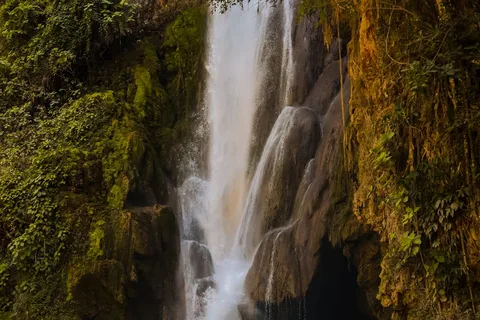
Compare the approach and viewing options so the waterfall remains worthwhile even when entering the water is not part of the visit.

Light, stairs and waiting space can matter as much as the water when choosing between different cenote settings.

A modest route and a few patient observations offer a useful beginning without needing a long species checklist.

Roots, water and small movements become easier to notice when the boardwalk is treated as a destination in itself.

Build the visit around contrasting collections and a question that keeps your attention on more than flowers.
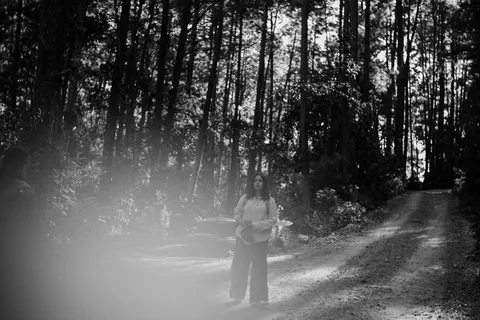
A clear decision point and a simpler alternative help a mountain outing adapt when the weather changes.
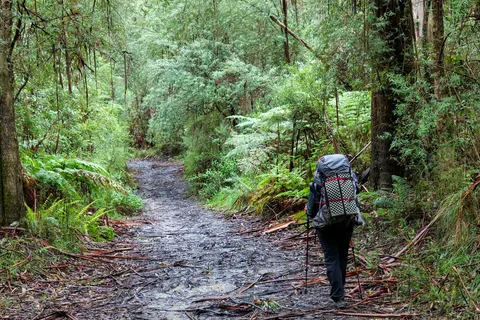
Check the approach, individual paths and return arrangement before assuming clear skies mean normal trail conditions.

Branch shapes, seasonal changes and quiet observation give a dry forest its own reasons for a slow visit.

Match the route to current exposure and visitor facilities, with a definite finish rather than an open-ended wander.
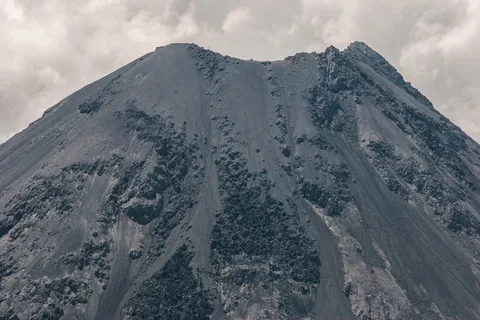
Authorised viewpoints and interpretive paths can explain a volcanic landscape without making the summit the goal of the day.
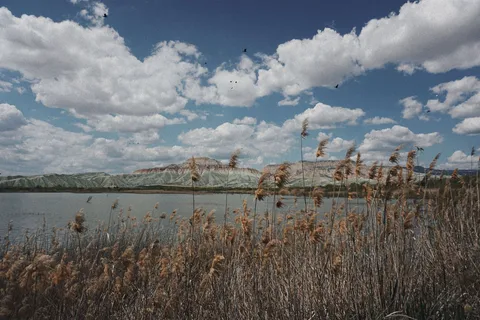
Two contrasting access points can offer a fuller lake visit than a hurried attempt to drive around the entire shore.