A botanical garden works best as a main destination when you give its collections time. It is easy to walk every path quickly and leave remembering only a few flowers. A smaller route organised around one question can make a more satisfying visit: how do plants store water, what grows in shade, or which shapes repeat across a collection?
Check the garden's own visitor information before travelling. Some areas may be accessible independently while others require a guided session. A greenhouse, specialist collection or demonstration space may follow a different arrangement from the main grounds. Confirm the part that interests you rather than assuming the entrance ticket provides access everywhere.
Use the map to identify two or three contrasting areas. A cactus collection and a shaded section, for example, offer visibly different plant forms. Leave time between them to read labels and notice how the garden presents the plants. Record names with photographs if you want to investigate later; there is no need to copy every label during the visit.
A visit with children or companions who do not enjoy reading every label can use a different thread. Compare three leaf shapes, look for plants with contrasting textures without touching them, or ask which collection looks least like the vegetation outside the garden. These small questions invite attention without turning the outing into a lesson that one person delivers to everyone else.
Seasonality can also become part of the interest. If the display you hoped to see is not flowering, ask staff what is currently worth noticing. A garden is a living collection rather than a permanent arrangement for photographs. Returning to the same small section in another season may reveal more than trying to cover every collection in a single visit. Keep a note of the section name if you want to return.
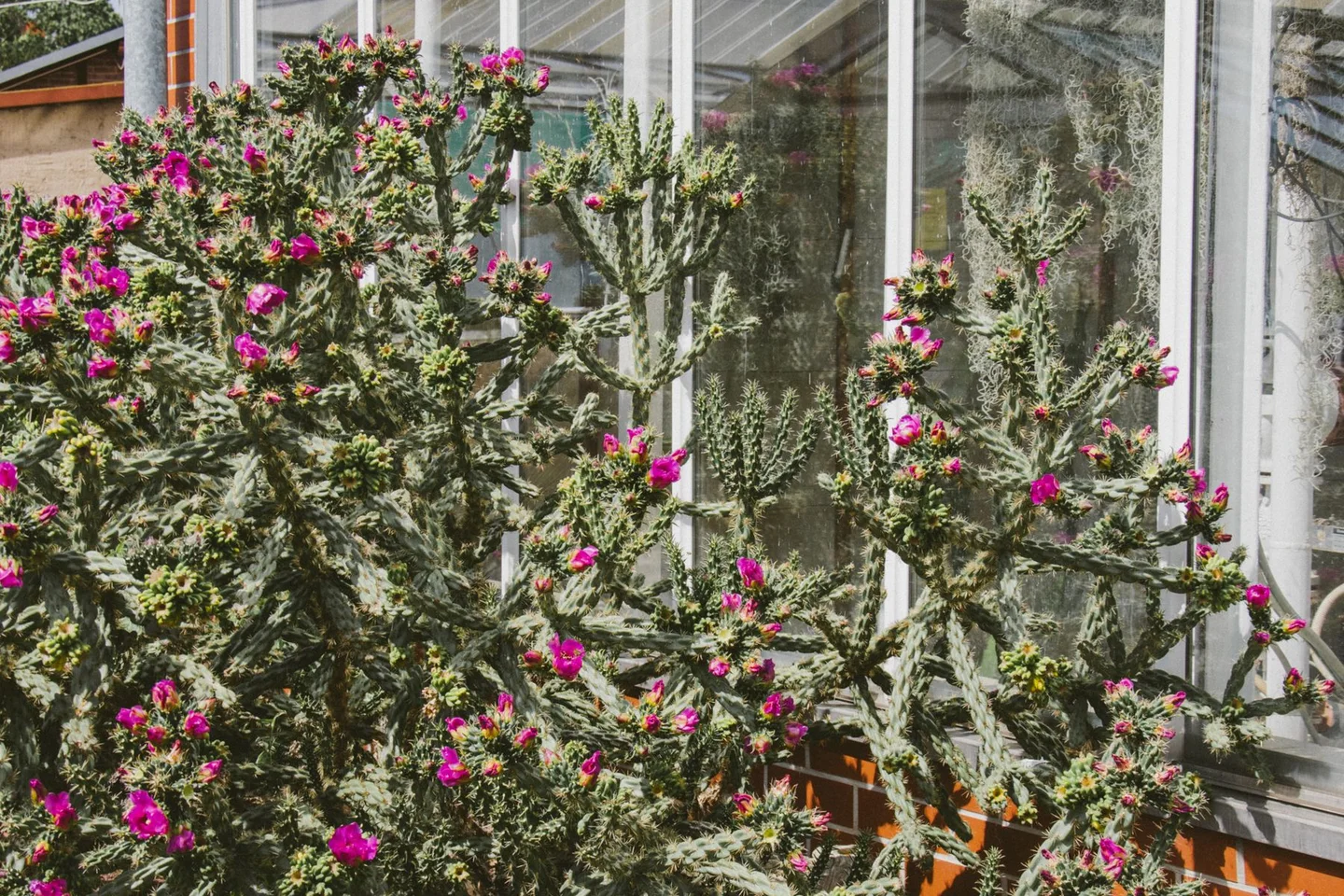
Read a plant beyond its flower
Look at leaves, stems, bark and the space around a plant. Flowers may be absent, yet the structure still tells you something. Labels can help distinguish a plant's place of origin from where it is commonly grown. Avoid treating a garden specimen as proof that the same plant belongs in every nearby natural landscape.
Stay on paths and leave fallen material where it is unless staff explicitly invite handling. A seed or cutting can look insignificant to a visitor while being part of a managed collection. Ask about nursery sales if you want to take a plant home, and check what care it would require in your own conditions.
Finish with a section you particularly liked rather than racing to cover the remaining paths. A second look after reading a label or hearing a guide often changes what you notice. If there is a café or seating area, place that break inside the plan. A garden visit can be leisurely without becoming aimless.