Yesterday's rain belongs in today's plan
A clear sky can make a wet-weather concern seem finished. On a trail, the effects may remain in mud, damaged steps, swollen crossings or an access road that has become difficult. Before travelling, ask the site about the route itself rather than simply checking whether the attraction is open.
An open visitor centre does not mean every path is available. Explain which walk you intend to take and ask about its current condition. If staff recommend a shorter route, find out where that route starts and ends. Do not improvise a connection through a closed section because the map makes the detour look small.
Consider the journey to the entrance as well. A final unpaved road can change the outing before you reach any trail. Check whether your vehicle and transport arrangement suit the current approach. A taxi willing to drop you at the start may not be available later if conditions worsen, so agree how the return will work.
A useful question for the site is when the route was last checked. This does not ask staff to guarantee the future; it helps distinguish current knowledge from a general description. Ask whether there are specific sections to avoid and whether the suggested alternative begins at the same entrance. A changed entrance can affect transport and parking as much as the walking itself.
Be cautious about an old online track that appears to bypass the problem. A line can cross land where visitors are not permitted or use a connection that no longer exists. If the approved alternative cannot be explained clearly, choose a different activity. Saving the original route for another day is simpler than trying to combine fragments of several descriptions while standing beside a muddy junction.
Let the surface change your expectations
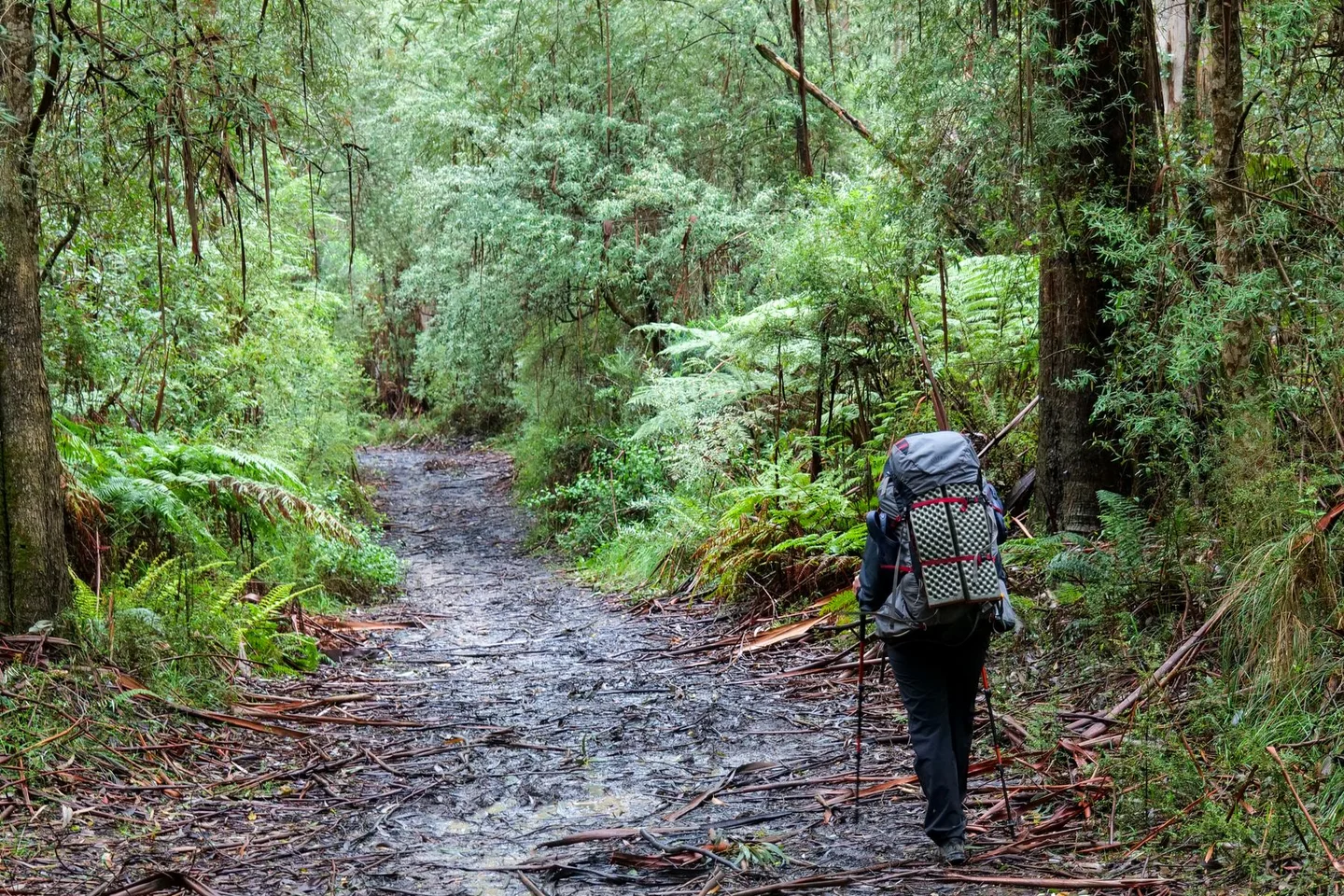
Wet ground usually means slower progress, more attention to footing and fewer convenient places to sit. A route you have completed before may take longer today. Allow room to stop without turning the walk into a race toward a booked lunch or a departing bus.
Use the established path and follow local advice. Walking around muddy sections by trampling a wider strip can spread damage. If the authorised route is no longer suitable for your group, turning back is more useful than trying to invent a dry passage. Never treat an unfamiliar water crossing as a routine obstacle simply because a downloaded route continues beyond it.
Bring a separate bag for dirty footwear or wet clothing after the visit. It makes a shorter, muddier day easier to manage without affecting the rest of the journey. A paved overlook or visitor exhibition may be a better choice after rain. The relevant question is not whether you can reproduce the dry-weather itinerary, but what the site can reasonably offer under today's conditions.