A dry forest can disappoint a visitor expecting dense green foliage in every season. Change the question and the landscape becomes easier to read. Instead of asking why it looks bare, notice the branching shapes, the textures of trunks and the spaces that foliage would otherwise hide.
Choose an established interpretive trail or a guided visit where the vegetation is part of the explanation. A guide can help connect what you see with the local seasonal cycle without turning the outing into a collection of botanical names. Ask which changes are usual for the season and which signs reflect recent conditions at that particular site.
The exposed appearance also affects comfort. Check whether the route provides shade and how long the open sections are. A photograph taken in a greener month may suggest more cover than you will find. Base the outing on current information and the group's willingness to walk in those conditions, not just the total distance.
If you have only visited the region in a wet season, ask whether the same trail can be seen at another time of year. A return visit creates a comparison based on one place rather than on unrelated photographs. Note a recognisable bend or viewpoint, then look at the same broad scene again when you return.
Avoid interpreting every bare tree as damaged or every green patch as healthier. The appearance of a seasonal landscape needs local context. A guide can explain the usual pattern without requiring you to make ecological judgments from one short visit. Your role as a visitor can remain simple: notice the differences, ask a specific question and keep a record of what was visible on that day.
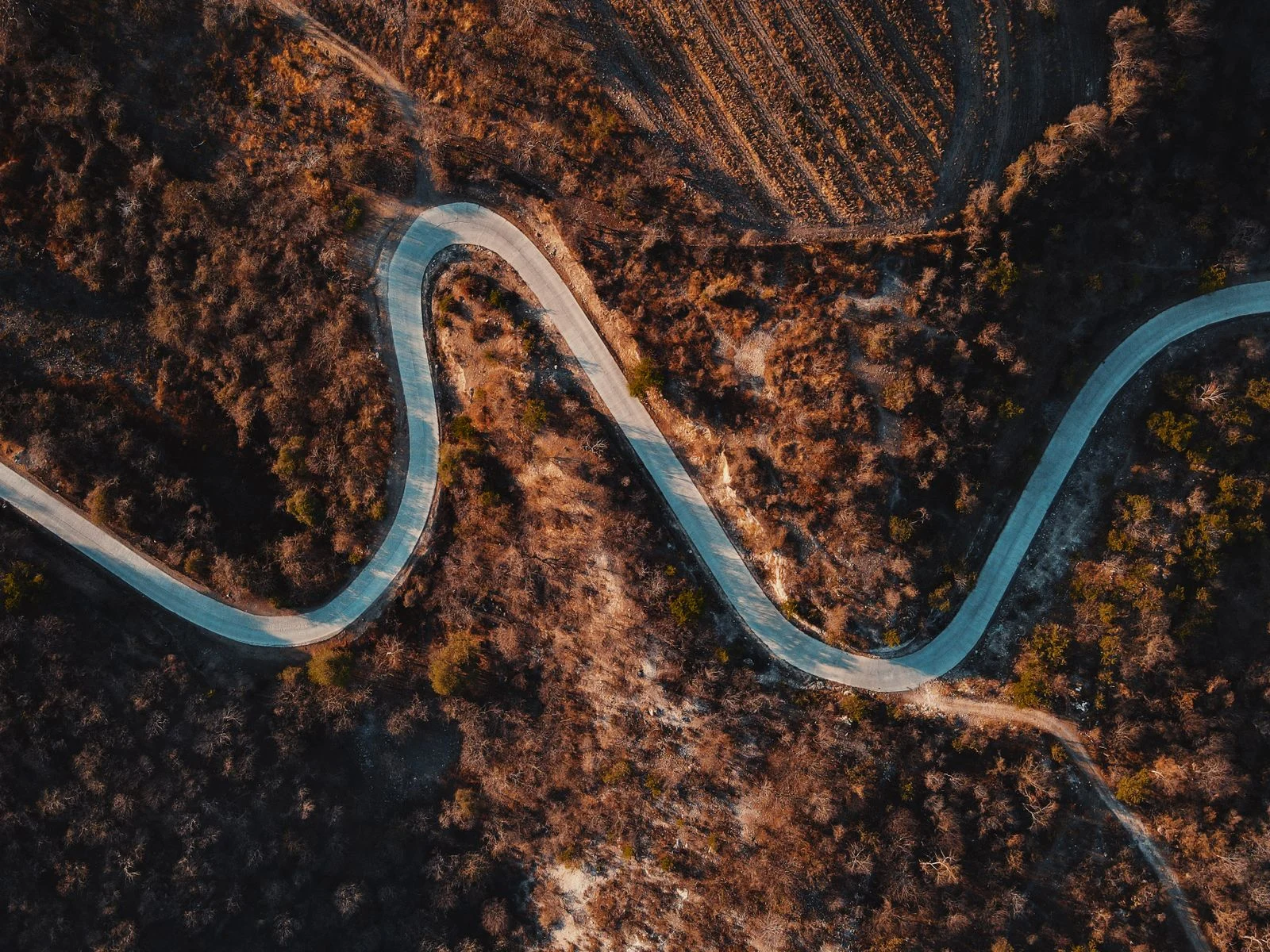
Follow a few details
Pick one tree form and see where it appears again. Look at the difference between young growth and older branches, or between vegetation along a drainage line and vegetation on a slope. You can make useful observations without touching, collecting or identifying every specimen.
Quiet stops may reveal birds or movement that a continuous walk misses. Keep expectations modest: wildlife is not arranged for visitors, and a lack of sightings does not make the habitat empty. If you take photographs, include the wider setting as well as close views from the path. This gives your later pictures a sense of place.
Do not remove fallen wood, seeds or unusual stones as souvenirs. Leave material in the landscape and ask the guide about its role. End the walk somewhere with a comfortable pause rather than adding another exposed route simply to fill the day. Dry forest rewards attention to details; it does not need to resemble a rainforest to justify a visit.