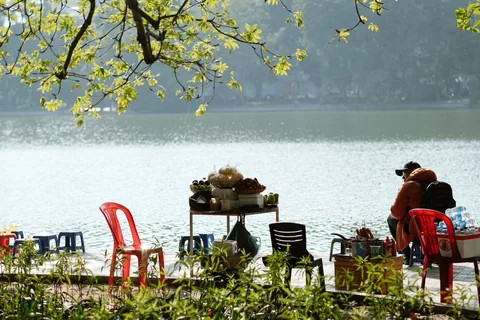
Outside the city
Choosing a riverside picnic spot thoughtfully
Choose a permitted stopping place and a meal that packs away easily before settling beside a river.
Make the terrain, the weather and the return journey part of the plan.
Choose a permitted stopping place and a meal that packs away easily before settling beside a river.
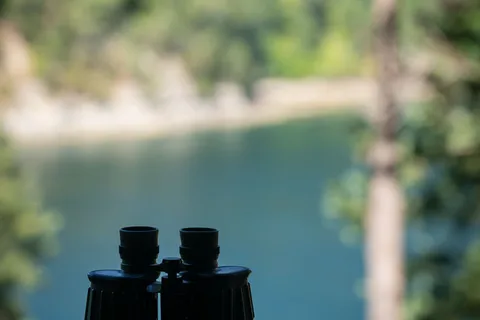
Observe behaviour from a respectful position and let the photograph reflect the encounter rather than trying to create one.
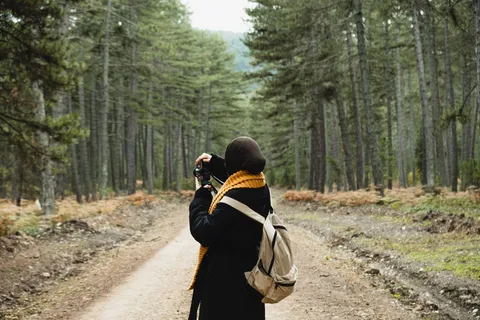
Use framing, context and patient pauses to make photographs from the path without rearranging the place around you.
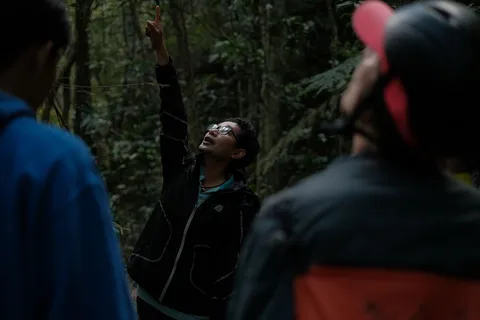
Compare language, pacing and interpretation to understand what a local guide will add to your particular outing.
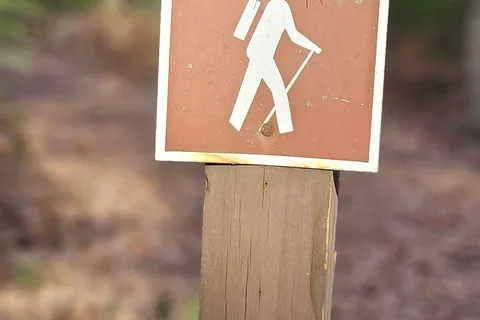
Turn vague route descriptions into concrete questions about distance, surfaces, climbing and the way you will return.
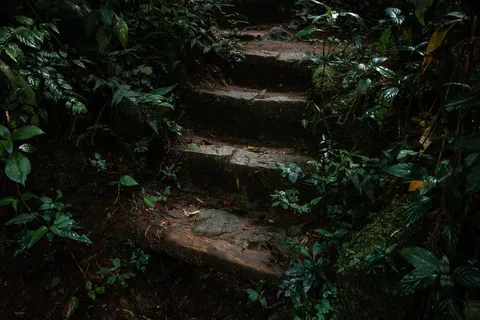
Plan around awkward terrain and shared pauses so the slowest section does not turn the outing into a race.
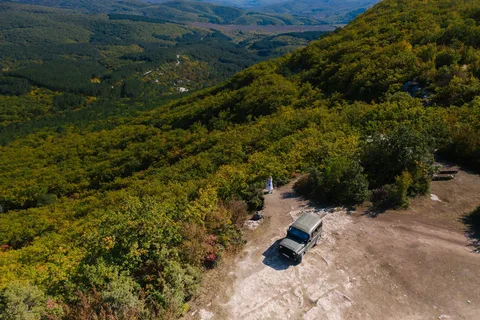
Check the entrance road, parking and final walk before adding a scenic overlook to an otherwise simple day.
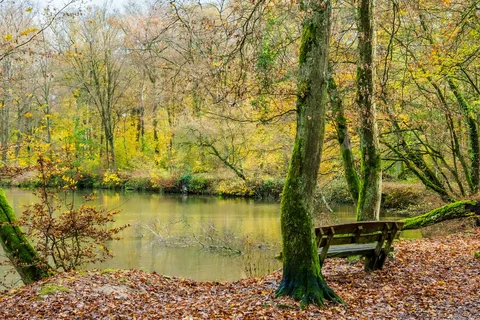
An intentional pause at one suitable place can reveal details that a longer, faster route would pass by.
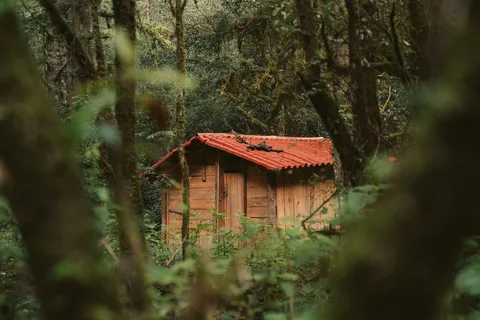
Clear booking questions help match your expectations with the activities, facilities and rhythms of a locally managed project.

Choose the stopping place first, then pack a meal whose storage, serving and leftovers fit the actual walk.

A few precise notes and rough sketches can preserve what caught your attention without collecting objects from the landscape.
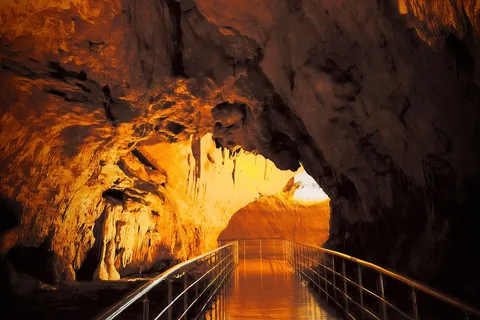
Ask about light, steps, group movement and turning back before deciding which kind of underground visit suits everyone.