Use the forecast for the place you will walk
The weather in the city where you slept is not a reliable description of a higher trail. Check information for the destination and ask the site operator about current access. A pleasant morning at the departure point does not remove the need to consider cloud, wind or rain farther up the route.
For a day outing, keep the route modest enough that a change does not create a complicated retreat. A path near a staffed visitor area offers different options from a long exposed approach. Look for recognised return points and understand whether the walk descends first, leaving the harder climb for later. This matters when the group becomes tired or the conditions deteriorate.
Dress for changes rather than one temperature. Layers that can be put on without unpacking the whole bag are more convenient than an extra garment buried beneath lunch. Keep a rain layer and dry essentials accessible. Decide where you can pause to adjust clothing without blocking a narrow path or standing in an exposed position.
Keep the weather decision separate from how much you have paid or how far you have driven. Those investments are already made; they do not change the conditions ahead. If a booked guide suggests a different route, ask what the alternative involves and whether it still fits the group. An informed change can preserve the purpose of the outing without preserving every kilometre.
For example, a group hoping for a broad panorama may be disappointed by cloud but still enjoy an interpretive forest route. Another group may care only about the distant view and prefer to return another day. Neither response is wrong. Knowing the purpose of the trip makes it easier to choose honestly instead of continuing because everyone assumes somebody else wants to press on.
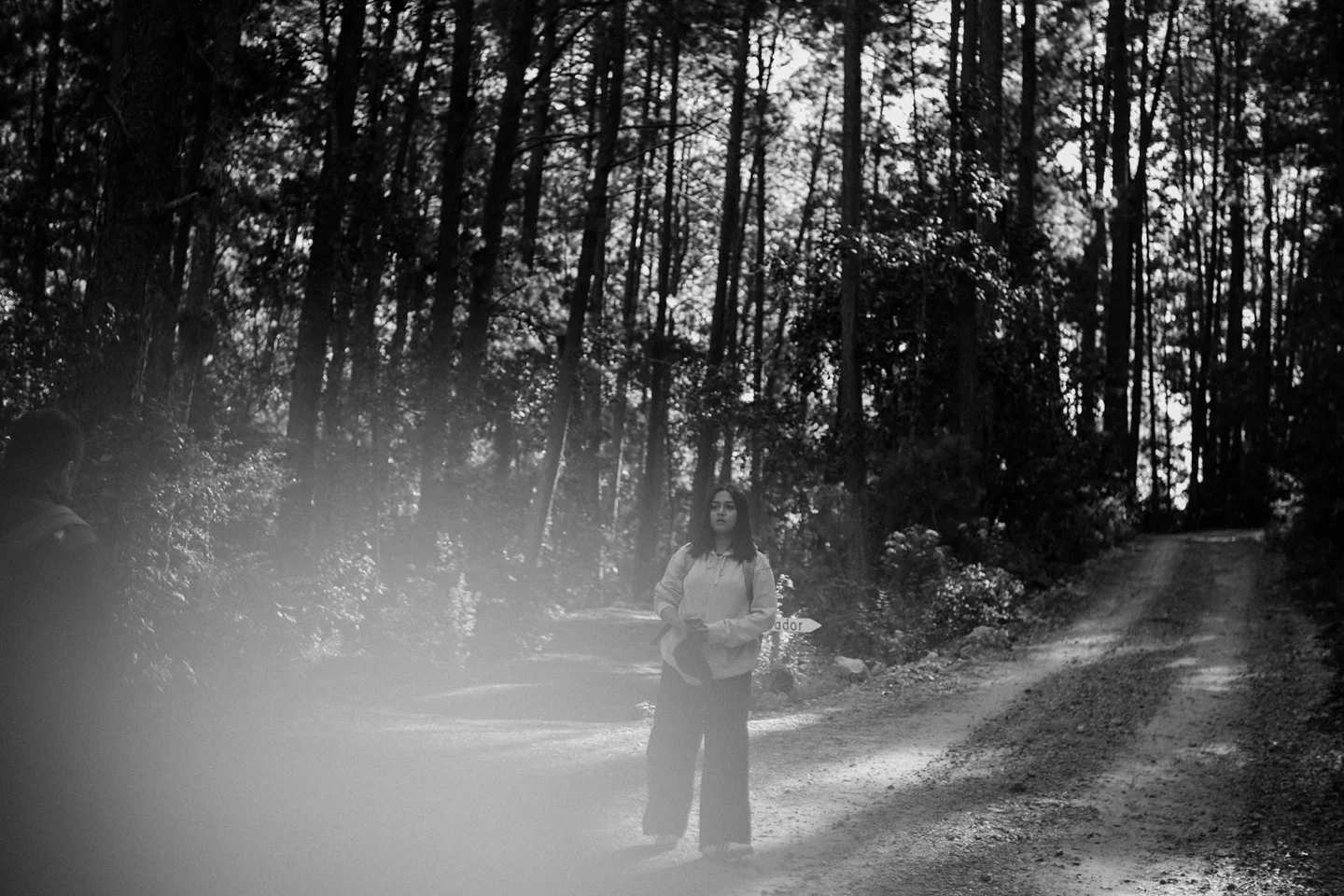
Make the shorter plan specific
A vague promise to turn around if necessary is hard to use once everyone is invested in reaching a viewpoint. Name a decision point before starting. It might be a signed junction or the end of an approved short circuit. Compare the conditions there with the information received at the entrance and with the time left for returning.
Do not press on toward an exposed viewpoint when thunder or a closure changes the situation. Follow local instructions and choose the return or shelter arrangement advised by the site. A phone forecast is a planning aid, not permission to ignore what is happening around you.
Have an ordinary alternative nearby: a visitor exhibition, a town meal or a shorter authorised path. This is not a second full itinerary to squeeze into the same day. It is a way to make changing the plan easy. A highland landscape seen briefly in shifting cloud can be memorable without requiring the longest available walk.