Outside the city
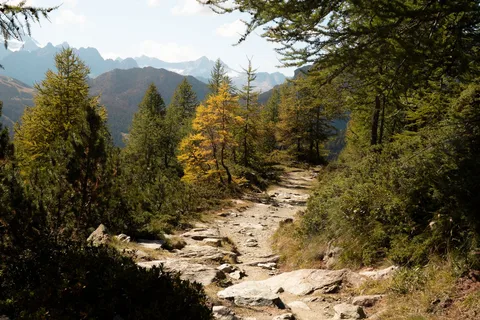
What changes when a path becomes rocky
Uneven surfaces deserve their own timing and attention, even when the route looks short on the map.
Make the terrain, the weather and the return journey part of the plan.
Uneven surfaces deserve their own timing and attention, even when the route looks short on the map.
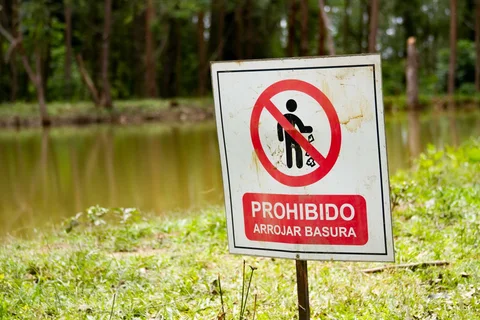
Read the rules as part of planning transport, food and activities instead of discovering important limits at the entrance.
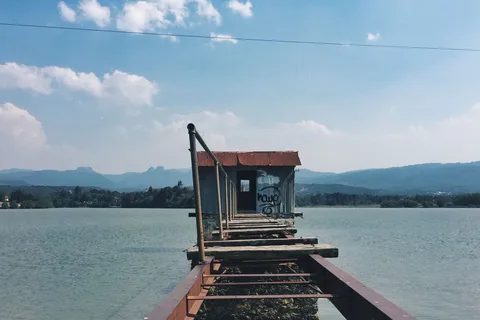
Build the outing around a confirmed visitor access point rather than assuming the whole waterline is available to explore.
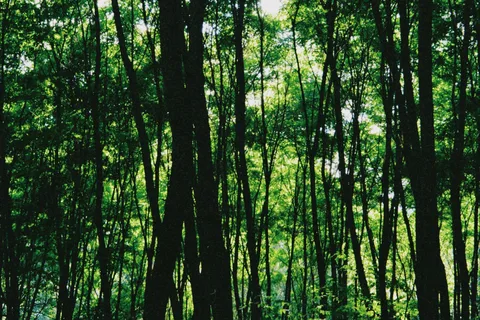
A few listening pauses can add another layer to a forest walk without requiring equipment or immediate species identification.
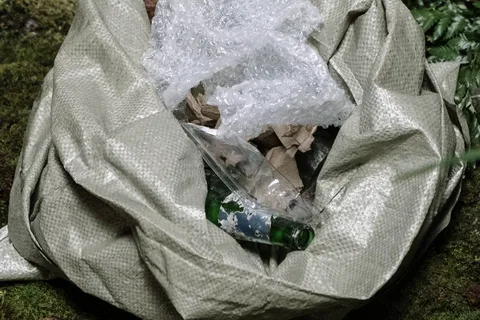
Pack for the waste you expect and check each stopping place before leaving the natural setting behind.

Specific questions about surfaces, transitions and facilities give a clearer picture than asking whether a trail is easy.
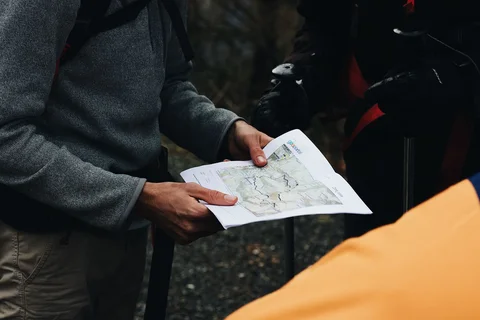
A named return point and a worthwhile shorter option make changing a nature itinerary a straightforward group decision.