Short does not always mean simple
A short desert trail can involve little climbing yet offer almost no shade. Distance alone is a poor way to compare it with a wooded walk. Ask about exposure, current visitor hours, the route surface and the location of staffed facilities before deciding what fits your day.
Use the site's current advice to choose a suitable visiting period. Do not assume that an earlier departure solves every weather issue or that a desert destination is comfortable throughout a particular month. Conditions vary by place and date. If the recommended access window does not fit your transport, choose another activity rather than squeezing the walk into the remaining gap.
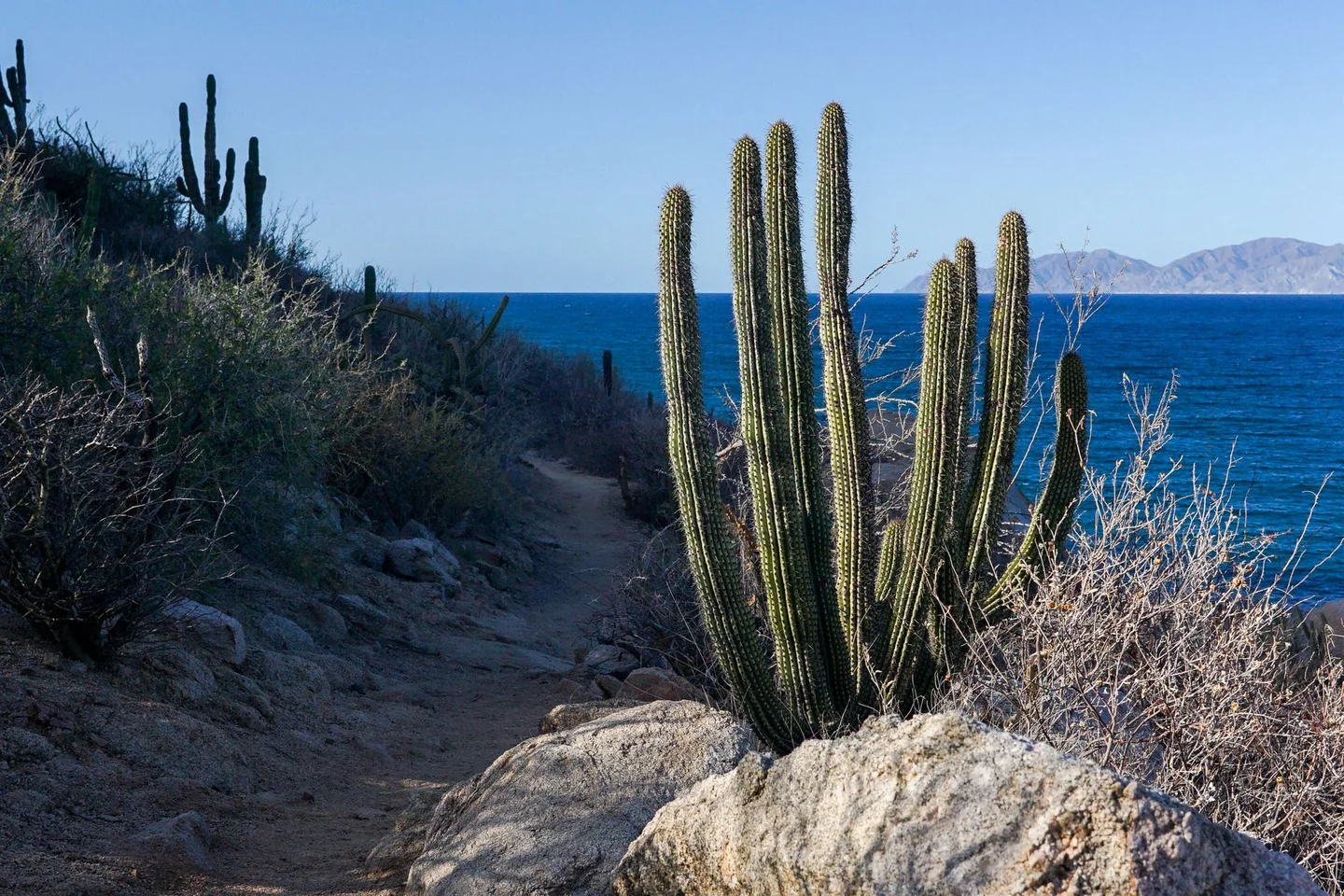
A modest interpretive path can provide plenty to observe: plant spacing, rock surfaces, the outline of distant landforms and the way shade falls around individual shrubs. You do not need to leave the marked route to make the scene feel expansive. Established paths also help avoid disturbing ground that may look empty while supporting living communities.
For a mixed group, compare what each person means by seeing the desert. Some may want a short interpretive route and a broad view; others may imagine a much longer walk. Resolve that difference while choosing the destination. It is difficult to negotiate once you are at an exposed trailhead with one transport arrangement for everyone.
A visitor centre can provide the connecting explanation between brief outdoor stops. Use it to understand the landscape before deciding whether another path adds something different. Two routes through similar terrain may not improve the day as much as one careful walk followed by time with a map or exhibition. Keep the outing focused on a few observations rather than on covering every marked option.
Plan the pause as carefully as the walk
Find out where you can sit, refill drinking water if available and use a toilet. Do not build the plan around facilities that appear on an old map without confirming them. Carry what the site recommends, and keep essentials within reach rather than in a vehicle that may be a long way behind you.
If the main attraction is a viewpoint, consider how long you actually want to remain there. A brief stop with no shade is different from a sheltered observation area. Take photographs without climbing onto fragile formations or wandering toward a promising-looking ridge. A small detour can become much less small when the return direction is unclear.
Give the outing a clear finish at a known visitor area. Save a longer discussion of what you saw for a shaded meal or exhibition afterward. The desert is not a place to extend the route because the map still has blank space. A carefully timed short visit can provide a strong impression of the landscape.