Pick a place to watch, not a list to finish
A first birdwatching outing becomes easier when the aim is to notice a few birds well. You do not need to identify everything or travel between several habitats before lunch. A recognised observation area with a clear path and somewhere to pause gives you time to learn how birds move through the scene.
Find out when the site admits visitors and whether a guide is required. An early start can be appealing, but arriving before the gate opens does not create extra observation time. Ask the operator or visitor centre which accessible areas suit a beginner and whether current conditions have affected the route. Choose the visit around permitted access rather than an imagined perfect dawn.
Binoculars are useful only if you can adjust them comfortably. Try focusing on a distant sign before looking for a moving bird. With shared binoculars, allow time to reset them for each person. A guide's telescope may help on a guided visit, but confirm what equipment is available instead of assuming it will be supplied.
For a pair sharing equipment, describe the bird's position before handing over the binoculars. A landmark such as the forked branch above the sign is easier to follow than an excited instruction to look over there. Give the second person time to find it, and accept that the bird may move before both have a clear view.
A simple record can include three observations and one question. Perhaps one bird repeatedly returns to the same perch while another moves along the ground. Note the difference without immediately assigning a reason. Later, a field guide or a knowledgeable local guide can help interpret it. This approach makes a quiet morning worthwhile even when you leave with only a few confidently identified species rather than a long list of uncertain names.
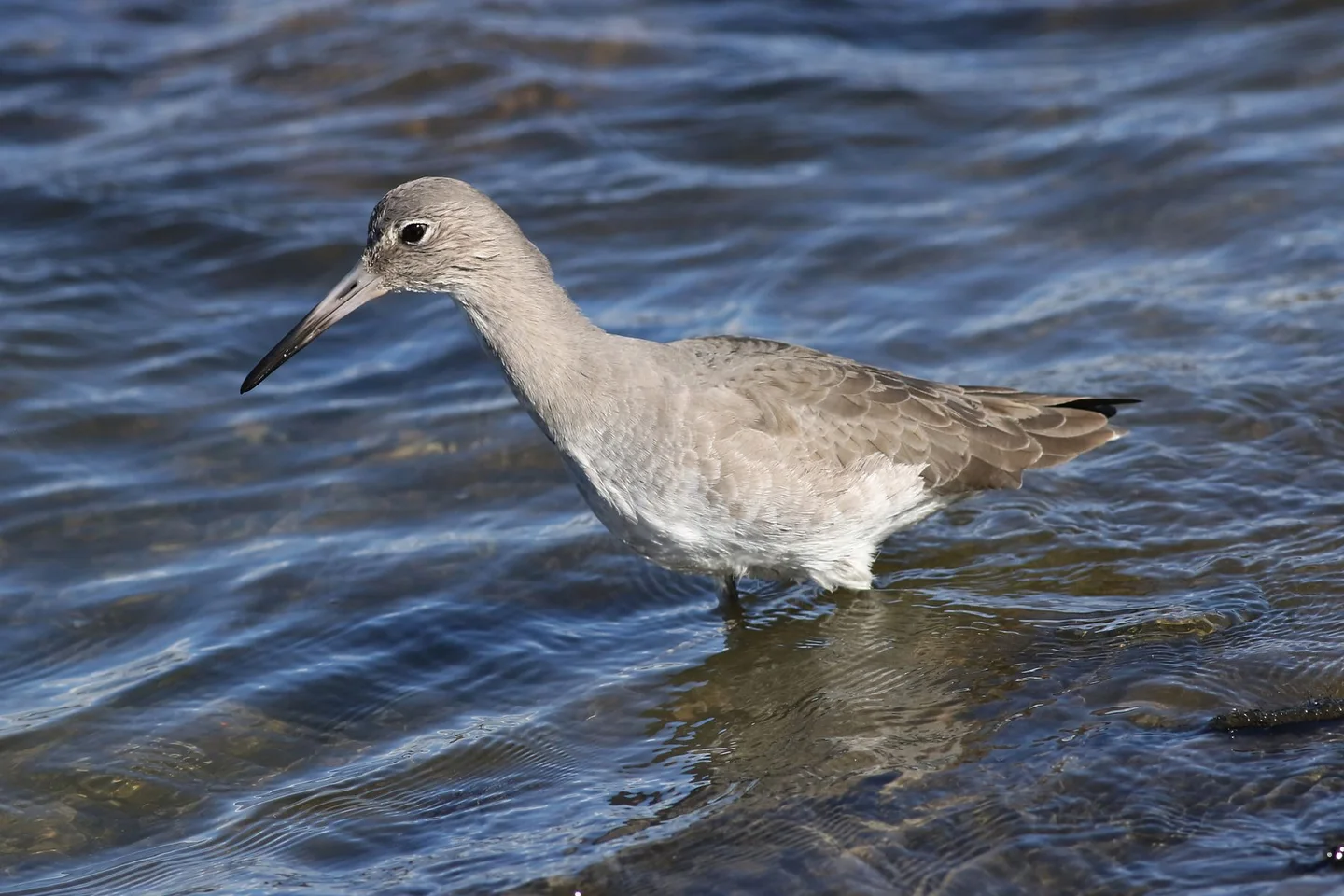
Give a bird a description before a name
Watch the shape, size, movement and location. Was it walking at the water's edge, perched on a high branch or moving through reeds? Those observations provide a better starting point than a quick guess based on colour. Write down a few details or make a simple sketch while the memory is fresh.
Keep voices low and stay on the established route. Do not use food to bring birds closer or play calls to force a response. If an animal changes what it is doing because you approached, create more space. A distant, undisturbed view is more informative than a close glimpse of something leaving.
Allow a stretch of the morning with no new destination. Return to one viewpoint and see what has changed. A bird absent on the outward walk may appear later; equally, nothing spectacular may happen. The outing can still leave you with a clearer understanding of one small place and several good observations to look up afterward.