A field notebook does not need to resemble a scientific record to be useful. Its job on a day trip is to keep observations that would otherwise blur together: a sound near the entrance, a plant shape beside a bend or a question raised by a guide.
Choose a small notebook that opens comfortably and a writing tool you know works. Keep it where you can reach it without emptying your bag. If writing on a phone is easier, use a simple note and avoid spending the whole stop organising files. The format should reduce friction, not become another project during the outing.
Begin a page with the place and date. Add the route or viewpoint name as shown by the site. A few words about weather and the setting will help you understand the note later. You do not need exact measurements for everything, and it is better to leave an identification uncertain than to record a confident guess as fact.
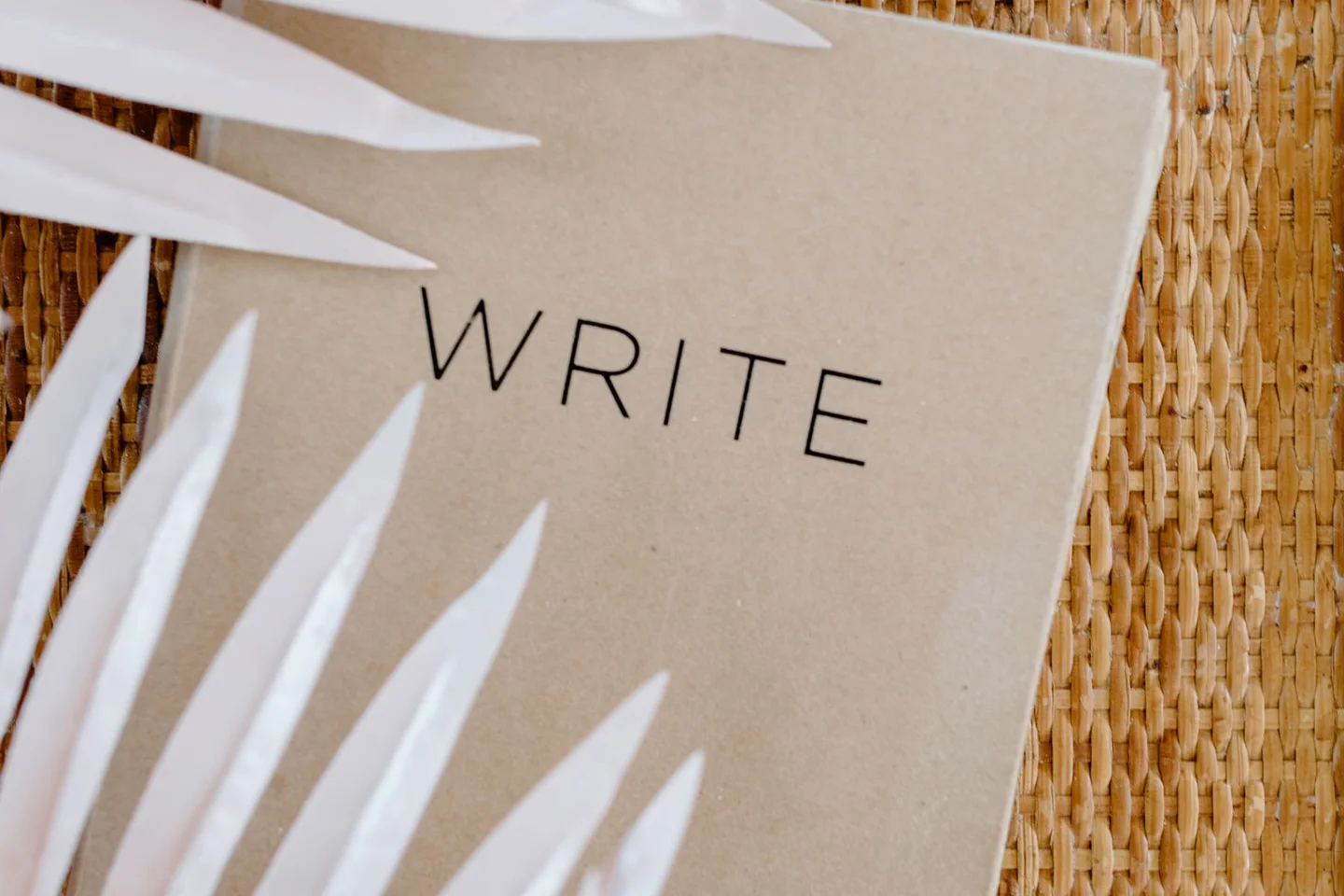
Keep a question separate from the answer
A useful page might contain the observation on one side and later research on the other. Write the original note first, including any uncertainty. When you find a possible identification, add it with its source instead of replacing the observation. This preserves the difference between what happened during the outing and what you learned afterward.
For a shared trip, each person can choose one detail to contribute at the end. The notes may be very different: a child remembers a repeated shape, someone else a sign, another person the sound near a bridge. Combining them can reveal how differently the same route was experienced. Keep contributions in each person's words where possible. The notebook becomes a record of attention rather than a polished account that makes everyone sound as though they noticed the same things.
Describe before interpreting
Write what you saw first: small bird moving along the water edge, leaves narrow and pale beneath, repeated tapping from the upper branches. Then separate your question or possible explanation. This keeps observation distinct from the answer you may look up afterward.
A rough sketch can show shape more quickly than a paragraph. Use arrows, a simple outline or a comparison with a familiar object. The drawing is for your memory, not an illustration contest. Do not collect leaves, feathers or stones to complete the page; describe or photograph them where they are.
At the end of the day, choose one question to investigate rather than trying to resolve every unknown. Add the source of any identification you later make and keep uncertainty where it remains. Over several outings, the notebook may reveal what repeatedly catches your attention. That is useful for choosing the next trip: perhaps you enjoy wetland sounds more than long walks, or find plant forms more absorbing than distant panoramas.