Choose a recognised place to stop
The nicest-looking patch beside a river is not automatically a suitable picnic area. Access, permitted use and the current state of the bank matter before the view. Start with a designated visitor or picnic area and confirm whether it is open on the day you intend to go.
Ask where visitors are allowed to sit and whether the site has restrictions on food, containers or cooking. A picnic does not require a fire or a grill. Bringing a meal ready to eat often makes a short outing simpler and avoids building the plan around facilities that may be unavailable. If cooking is part of the site offering, use only the authorised arrangement and current instructions.
Keep the meal away from the immediate water edge. A dry-looking strip can be an inconvenient place to settle when people need to move around or the bank is uneven. Recent rain elsewhere may affect the river even when your arrival weather is pleasant. Follow the site's guidance about where to remain rather than judging conditions from appearance alone.
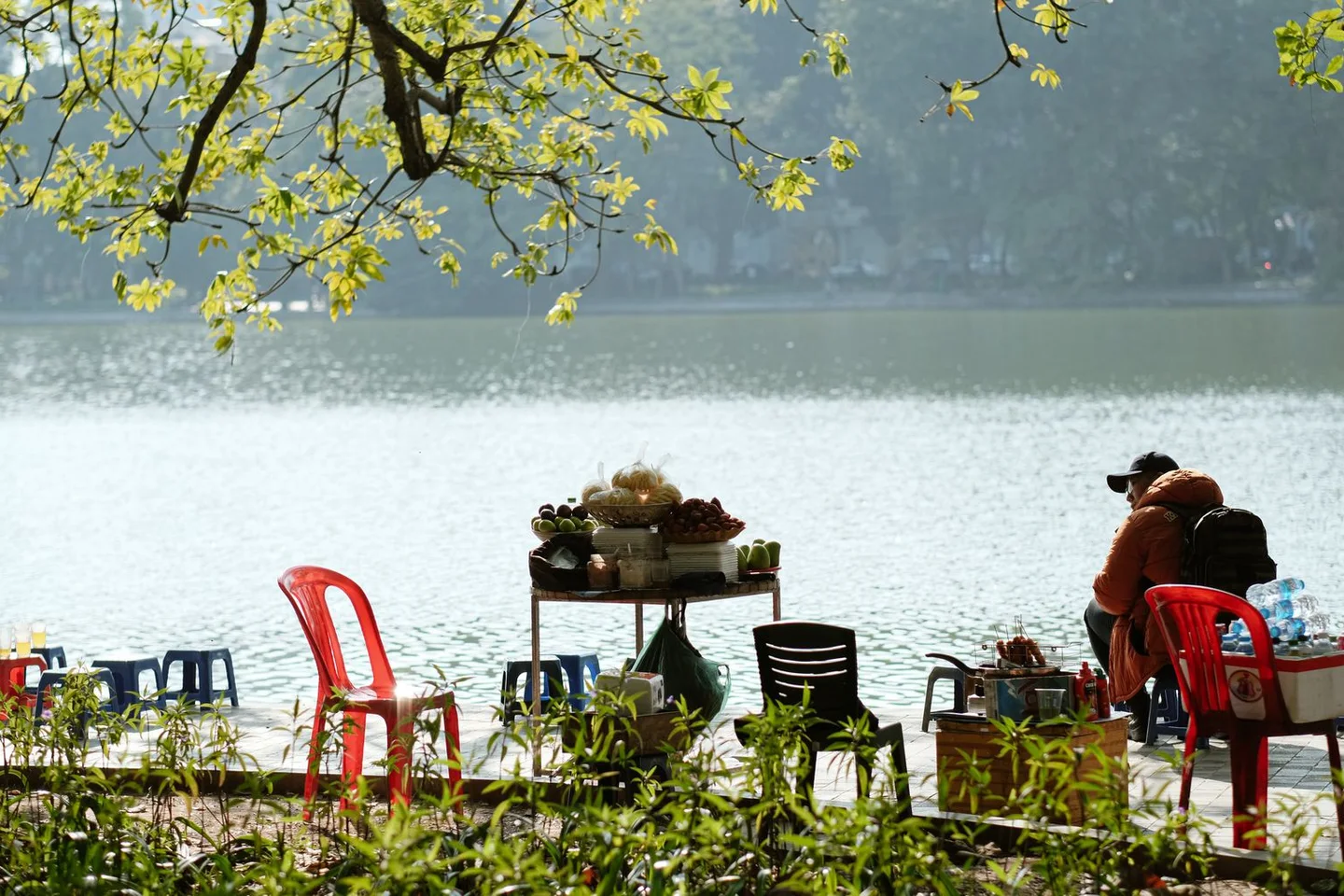
Pack for the departure
Use containers that can hold leftovers as well as lunch. Bring a bag for every wrapper and napkin you expect to produce. Food scraps do not become appropriate to leave behind because they are biodegradable, and rinsing containers in the river transfers the mess into the place you came to enjoy.
Give the picnic a comfortable amount of time instead of fitting it into the final minutes before departure. A small walk on an established route before eating can help everyone settle into the outing. Afterward, leave enough time to check the ground, pack the meal and return to the transport without hurrying.
If the chosen area is crowded, ask staff about another authorised space rather than pushing through vegetation to create a private one. A table farther from the water may offer a better afternoon than an improvised bank. The river can remain the setting of the day without needing to sit at its closest possible edge.