Let the animal keep its routine
A useful wildlife encounter is one in which the animal can continue what it was doing. The goal is not to reduce the distance until a phone photograph fills the frame. Watch from an established visitor area and follow the site's instructions about space, barriers and movement.
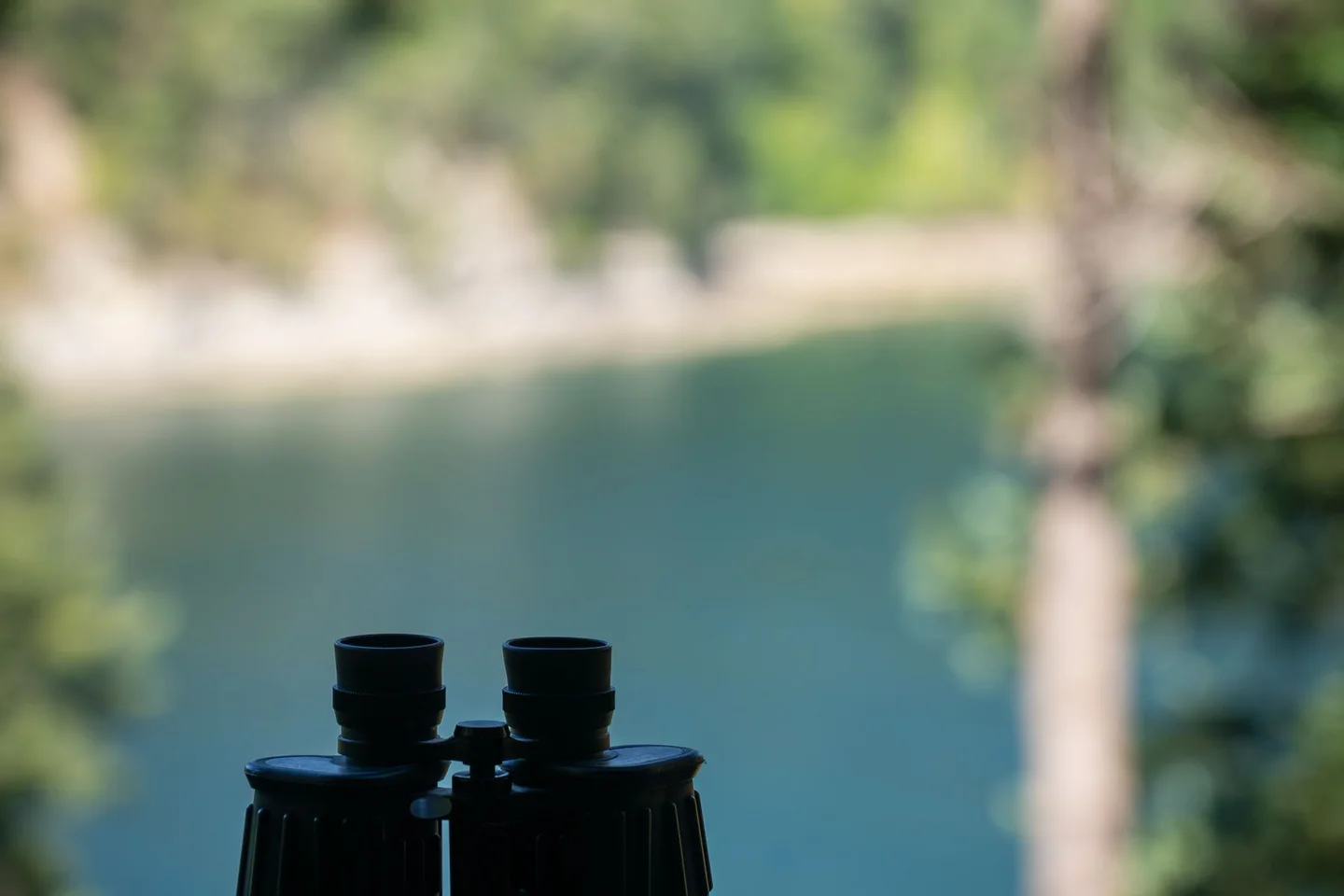
Start looking before moving closer. Binoculars or a camera's zoom can reveal detail while you remain in place. Notice feeding, resting, walking or interactions with the surroundings. These behaviours often make a more interesting memory than a close portrait obtained just before the animal leaves.
Do not assume that an animal near a path wants contact. Familiarity with visitors is not an invitation to feed, touch or surround it. Keep the route open and give it room to move away. If the encounter is happening during a guided visit, follow the guide's positioning rather than creating a separate viewing circle.
Make the photograph fit the encounter
A wider picture can show habitat and scale. It does not need to look like a close-up from a specialist wildlife publication to be worth keeping. Avoid calling, waving objects or offering food to change the animal's position. The photograph should record the sighting, not manufacture it.
Be especially thoughtful when several people stop together. One person taking a step closer may seem minor, but a whole group doing so changes the space rapidly. Keep voices low, share viewing equipment and allow others to see without crowding the same edge. Do not block a narrow trail for a long photography session.
There is no guarantee that a planned nature outing will produce a particular sighting. Treat an operator's promise of unavoidable close contact as a reason to ask more questions about how the activity works. A good day can include tracks described by a guide, distant movement or no sightings at all. Leaving the animal's routine intact is part of seeing wildlife on its own terms.