Read the route, not just the word cave
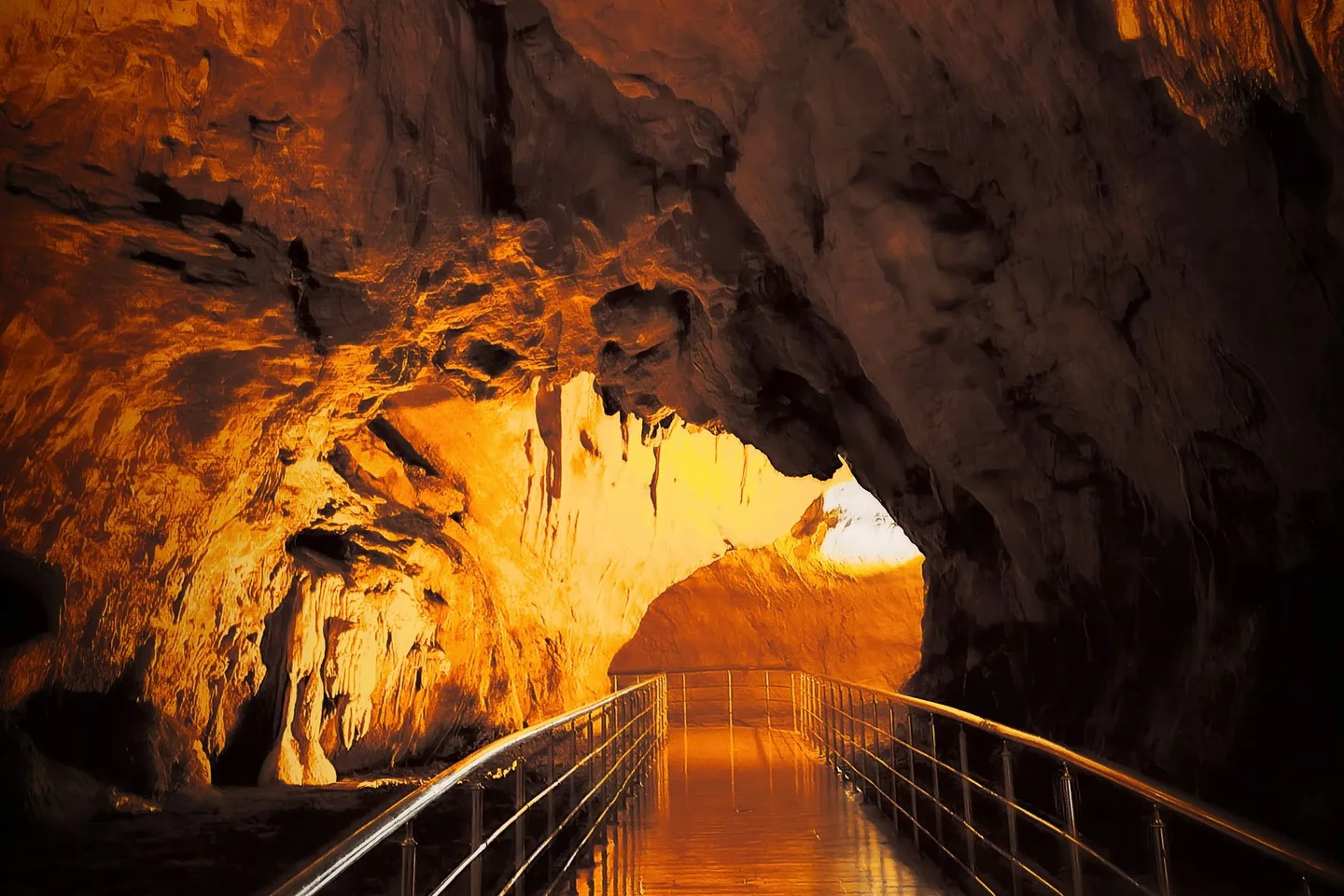
A cave visit may mean a lit walkway with a guide, a staircase into a chamber or a more demanding activity requiring specific equipment. Those experiences should not be grouped together simply because the destination photographs show rock formations underground. Ask for the actual visitor route before booking.
Find out about stairs, low sections, lighting and the time spent inside. If anyone in your group is uncomfortable with enclosed spaces, describe that concern directly. A phrase such as suitable for everyone does not answer whether you can turn back independently or wait outside while the group continues.
Confirm whether entry is always guided and how departures are organised. A scheduled group visit may involve waiting even when you arrive during opening hours. Leave enough space in the day for the complete arrangement rather than treating the advertised time underground as the whole stop.
Two visitors can react differently to the same description. One may be comfortable with darkness but dislike repeated stairs; another may manage the steps while preferring a wider, more open chamber. Ask the operator to describe the most constrained part of the route instead of only the largest room shown in promotional images.
If turning back requires an escort, understand that arrangement before entering. A group tour may not allow someone to leave independently at every point. Knowing this is particularly useful when a companion is uncertain about the experience. There is no need to persuade that person with a promise that it will probably be fine. A clear account of the route lets them decide, and a comfortable alternative outside can make the day work for everyone.
What happens to the things you carry?
Ask whether bags, cameras or other belongings have restrictions and whether storage is provided. Carrying a large backpack through a narrow visitor route can be inconvenient even if it is technically allowed. Keep the equipment simple and follow instructions about photography and lighting.
Do not touch formations or move beyond the authorised walkway to improve a view. A barrier may protect both a feature and the route around it. Listen to the guide before taking pictures, particularly where the group needs to move through a narrow point together. Questions are easier to hear when people are not scattered across a chamber.
Plan a pause after coming back outside. It gives everyone time to adjust belongings, compare impressions and decide whether they want another activity. If the cave's conditions do not suit your group, an exhibition or surface landscape may still offer an interesting stop. Choosing a different format before paying is more useful than discovering underground that the visit is not what someone expected.