The average pace hides the awkward parts
Dividing a trail's distance by a familiar walking speed gives a neat number, but it can be a poor plan for a nature outing. Steps, uneven ground, gates and narrow sections do not behave like a flat pavement. Build the day around the part likely to take your group longest.
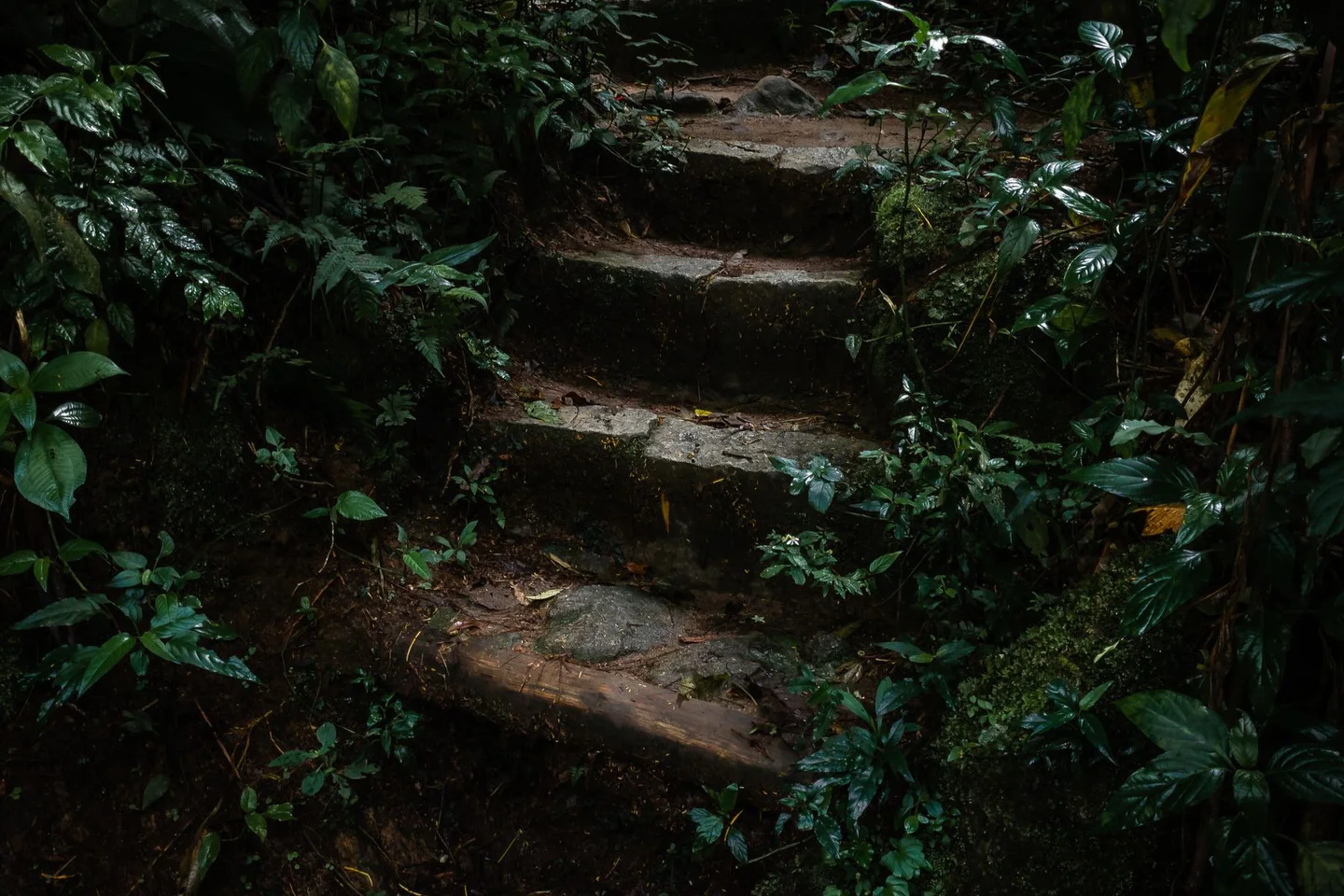
Look for a route description that explains changes in terrain. If there is a steep descent to the main attraction, consider the return climb separately. If a section requires people to move one at a time, the group may spend time waiting even when the distance is small. These are reasons to allow space in the schedule, not reasons to rush through the interesting parts.
Talk about the pace before starting. Agree that the group will regroup at signed junctions and that nobody needs to keep up silently with the fastest walker. A shared outing becomes awkward when the front treats every pause as lost time and the back spends the whole walk trying to catch up.
Try planning the route with separate blocks rather than one average speed: the approach, the uneven section, the main pause and the return. You do not need minute-by-minute precision. The purpose is to make the slow section visible instead of hiding it inside a total that looks comfortable on paper.
If companions have very different habits, agree that the lead walker stops at a suitable place before the group spreads too far. Avoid making the person at the back arrive just as everyone else starts moving again; that gives the fastest walkers every rest and the slowest none. A genuine shared pause begins when everyone has arrived. This small change can make the same route feel considerably more companionable without changing its distance.
Put the pause where it helps
A useful break comes before everyone is exhausted, at a place where stopping is allowed and the path remains clear. Identify a likely resting area from site information, but be willing to adjust if it is busy or unavailable. Do not rely on an exposed viewpoint as the only place to sit.
Keep optional sections genuinely optional. If the first part takes longer than expected, drop the extra loop rather than shrinking lunch and the return margin. One clearly understood shorter route is more useful than several possible shortcuts that nobody has checked.
At the halfway decision point, think about the ground still ahead, not merely the distance already covered. A slower return may be entirely reasonable. Leave enough time to reach transport calmly and change shoes or clothing if needed. The success of the walk is the group's experience of the place, not how closely it matches a speed calculated at home.