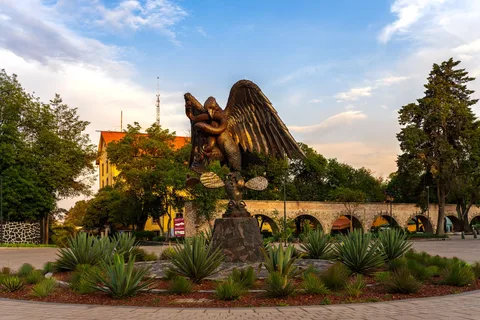
City outings
Follow public art without turning it into a checklist
Public art often sits in places you would pass anyway: a square, a broad pavement or the entrance to a civic building.
Parks, streets and museums, with room to notice what is around you.
Public art often sits in places you would pass anyway: a square, a broad pavement or the entrance to a civic building.
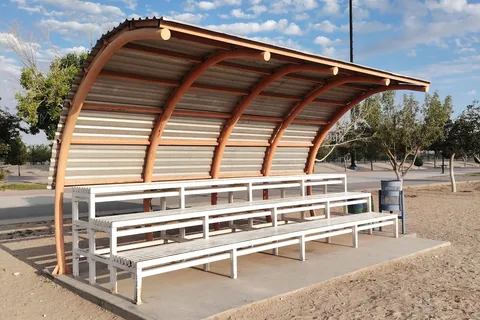
A bench break can be the moment when a city stops appearing as a series of destinations.
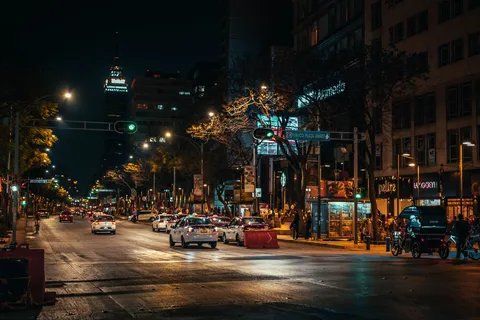
An evening walk becomes simpler when you know where it will finish.
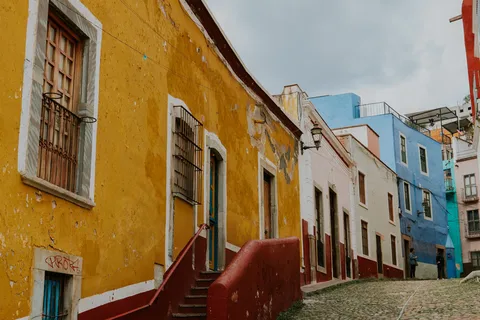
Street photography begins with finding somewhere to stand.
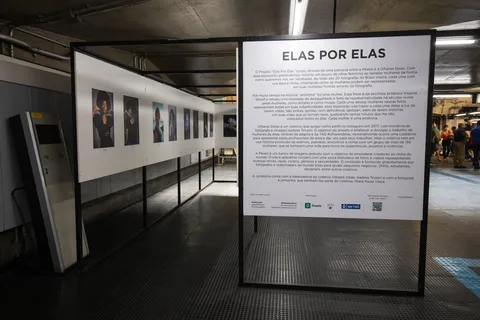
An exhibition may greet you with a wall of writing before you see a single object.
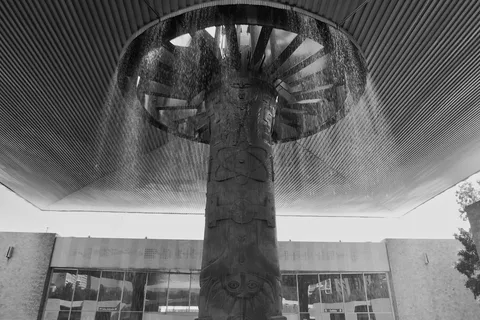
After several exhibition rooms, a courtyard can restore your sense of scale.
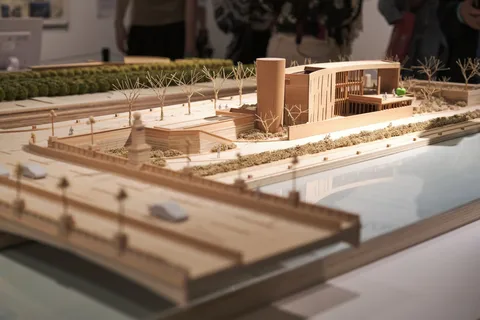
A scale model can explain a city in a way that a flat map cannot.
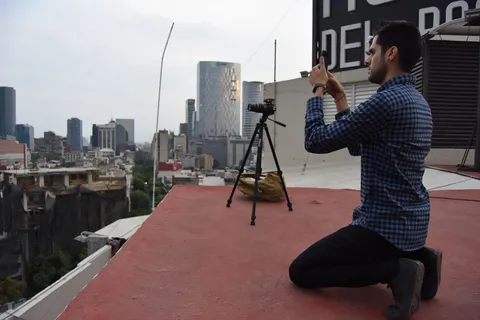
A high view can make a city easier to understand, but a tall building alone does not guarantee a useful visit.

A pedestrian street removes some traffic concerns, but it does not remove the need to share space.
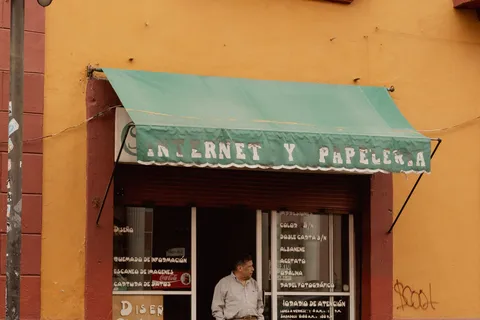
Small shops can make a neighborhood visit feel specific, especially when they offer books, design objects, clothing or household goods that reflect the owner's selection.
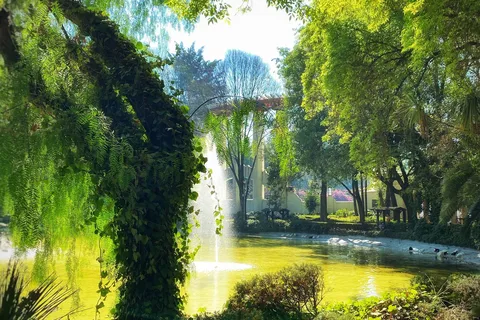
An urban garden can give a short outing a clear center without requiring a long list of attractions.
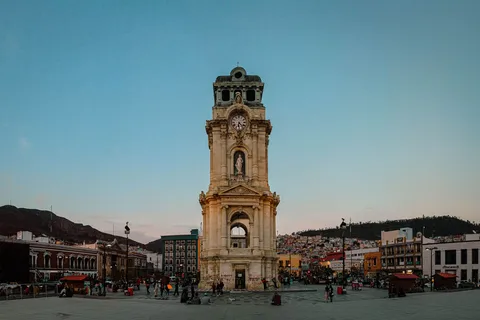
A clock tower is often easier to recognize than a street corner remembered from a map.