A small destination can be enough
An urban garden can give a short outing a clear center without requiring a long list of attractions. It may occupy a square, sit beside a cultural building or form a quiet enclosure within a busier district. First establish whether it is a public garden, a ticketed site or part of another institution, because access arrangements can differ even when all three look similar in photographs.
Choose a route to the entrance rather than to the center of the green patch on a map. A surrounding fence or a single gate can change the convenient approach. If the garden is your main destination, check its current opening information before leaving, particularly when it belongs to a museum or other managed space.
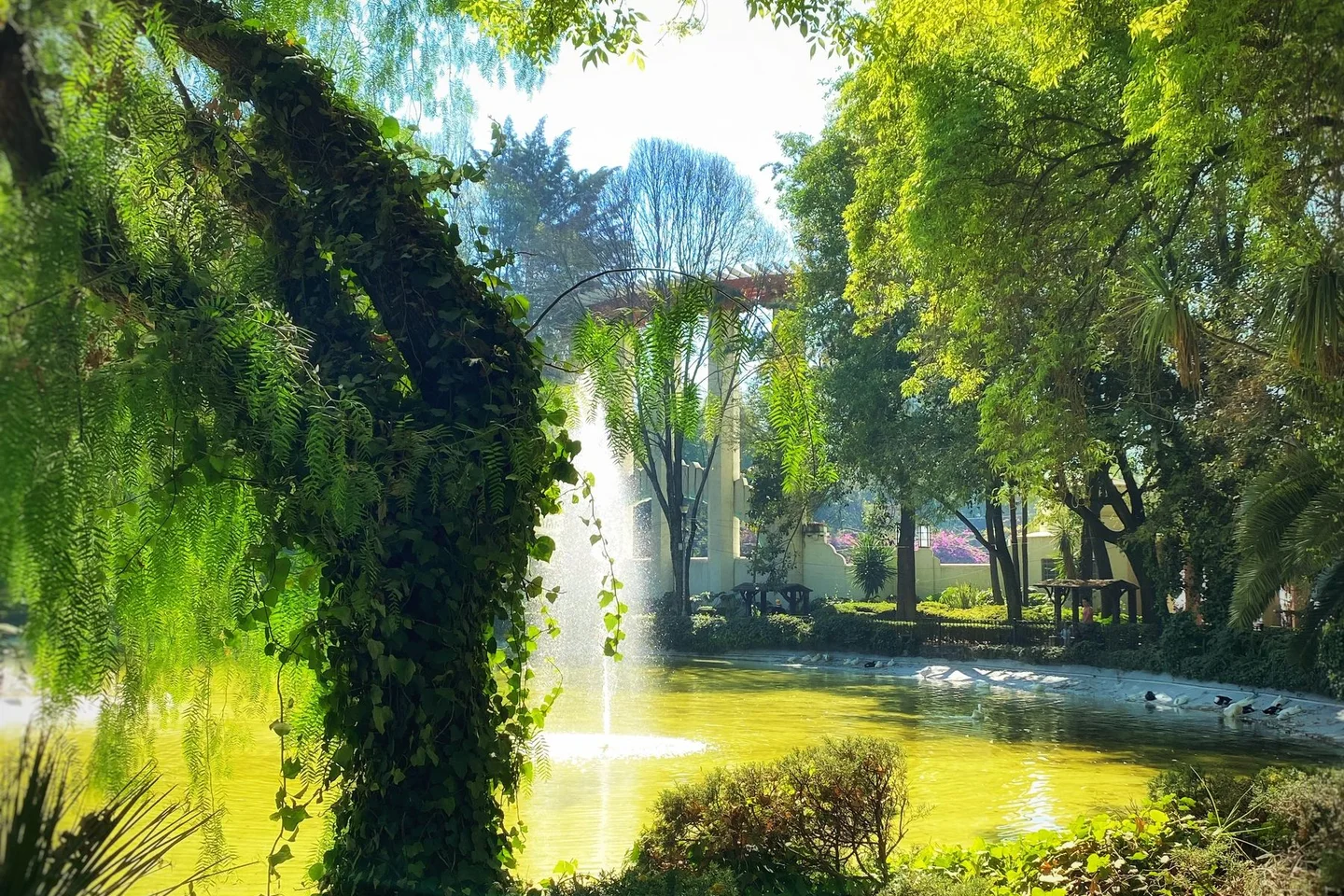
Look at the planting as a composition
Notice the difference between shade trees, lower planting and open ground. Where do the paths invite you to slow down? Are benches placed toward a view, a fountain or simply a quieter edge? These choices shape the visit even if you cannot identify the plants by name.
If labels are provided, choose a few to read and compare them with the plants. Do not infer that every attractive species is native to the area. Gardens can contain collections from many places, and a local-looking setting does not establish botanical origin. A named label gives you a better starting point for later research than a guess based on leaf shape.
Stay on permitted paths and leave flowers, seeds and fallen materials where they are. Something on the ground may still serve the garden or belong to its managed collection. Keep food and drinks within the site's rules rather than assuming all outdoor spaces allow picnics.
A simple observation exercise is to choose one planting bed from two viewpoints. From the path, notice the overall height and color; from a permitted bench, look for the relationship between individual plants and the trees above. The change of position can reveal why a section feels enclosed or open. You do not need to enter the bed to study it.
Keep seasonal expectations flexible. A photograph may show flowers that are absent during your visit, while foliage, bark or seed heads provide interest at another time. Rather than judging the garden against one image, notice what is present now. If a particular bloom is the sole reason for traveling, seek current information from the garden before making the journey.
Build the rest of the outing around the pause
After one circuit, sit if suitable seating is available. Observe how the light moves across the same area instead of immediately seeking another feature. A small garden often rewards returning to a view you have already passed.
You might pair the visit with a nearby bookshop or meal, but do not add distant stops just to make the day sound substantial. If the garden gave you an hour of interested looking and rest, it has already done enough.