Not every text has the same job
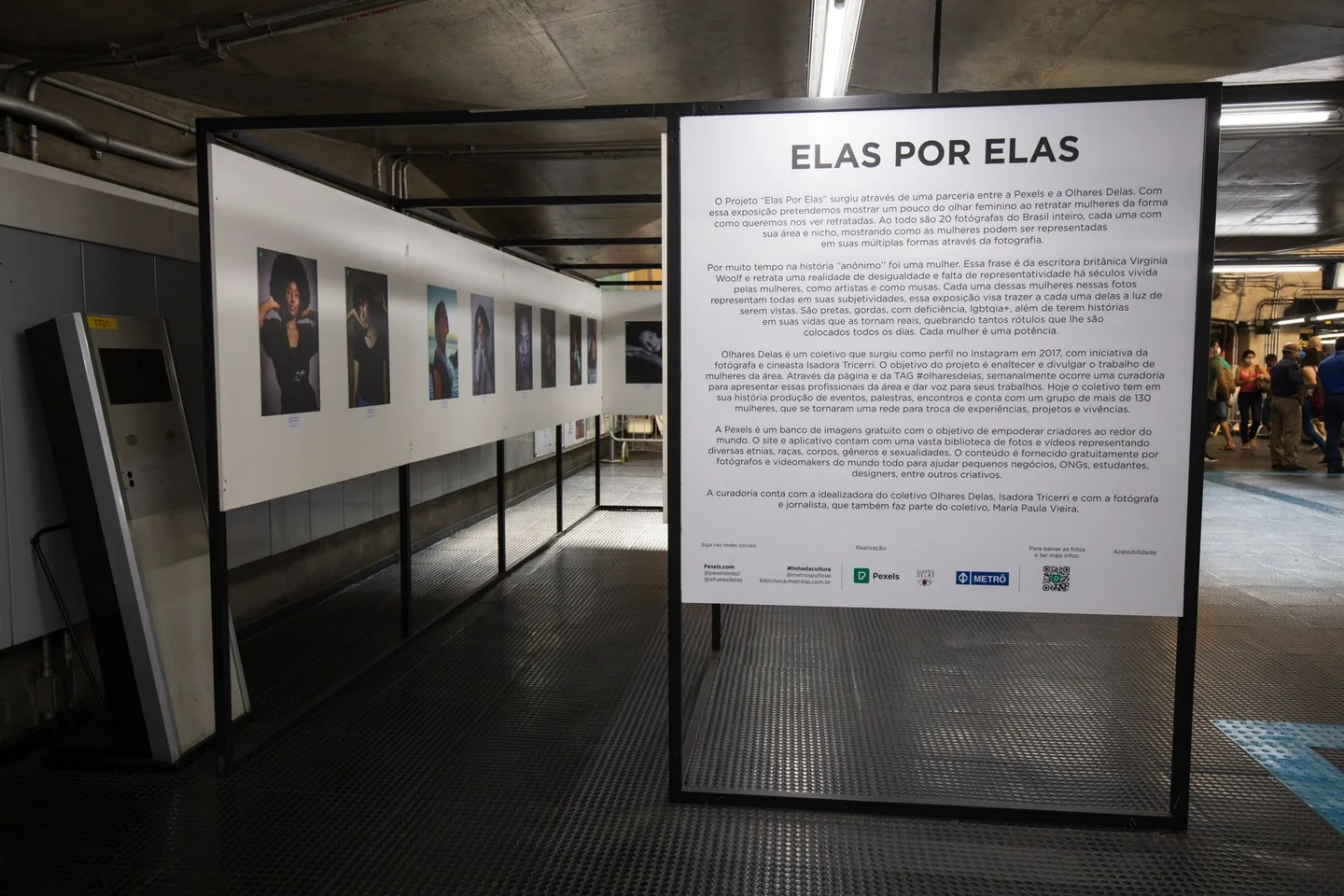
An exhibition may greet you with a wall of writing before you see a single object. That text often introduces the subject and the curators' approach. A shorter panel may explain one room, while a small label identifies an individual piece. Recognizing these different jobs helps you decide what to read instead of treating every word as equally necessary.
Begin with the introductory panel if the subject is unfamiliar. Look for the main question and the period or place covered. You do not need to retain every name immediately. Carry one idea into the room and see how the objects develop, complicate or contradict it. The text becomes a guide to looking rather than an exam to prepare for.
Read in layers
At an individual object, the title or name, material, maker and date provide a basic description. Additional text may explain use, discovery, interpretation or uncertainty. Notice the difference between a documented fact and an interpretation proposed by the exhibition. Words such as possibly or attributed to are meaningful; they indicate limits in what is known.
If a technical term appears repeatedly, learn that one term before trying to understand every detail. Compare it with the objects nearby. A label describing a method of making is easier to follow when you can identify the visible result. If the connection remains unclear, ask staff where appropriate or make a note to investigate later.
You can skip some labels without abandoning a careful visit. Choose the objects that interest you and read their context more fully. In a crowded room, step aside after reading so another visitor can approach. Taking a permitted photograph of a label can preserve a reference, but it should not replace looking at the object it describes.
When labels disagree with your first impression
Suppose an object looks like an everyday utensil but the label describes a ceremonial use. Return to the object and ask what you can actually see that relates to that account. The label may provide knowledge that appearance alone cannot supply. You do not need to pretend the purpose was obvious, and you should not discard the explanation simply because the form resembles something familiar.
Dates also require careful reading. A label can distinguish the period represented, the date an object was made and the date it entered a collection. These are different events. A later reproduction of an older design does not become an original from the earlier period because its subject is ancient. Read the wording around the date instead of lifting the number out of context.
If two labels seem inconsistent, note the exact terms before assuming an error. They may describe different materials, attributions or levels of certainty. A question to museum staff can help clarify the distinction. If no answer is available, keep the uncertainty rather than rewriting the exhibition's account from memory.
When the language is difficult
Read the basic identification first, then search for a shorter room summary or available translation. A translation app can help with individual phrases, but be cautious about treating its output as exact, especially for historical or technical terms. Avoid holding the phone in front of an object while others are trying to see it.
Before leaving the room, put one idea into your own words. If you can connect it with a particular object, the reading has done its work. You do not need to remember the whole panel to leave with a more informed view.