A room without a ceiling
After several exhibition rooms, a courtyard can restore your sense of scale. You move from looking at framed or enclosed objects to noticing the whole building: the height of a gallery, the line of a roof and the distance between entrances. That change is useful even when the courtyard contains no separate display.
Before using it as a rest area, look for the museum's visitor arrangements. Some courtyards are circulation spaces, others include cafés, and some are part of a protected historic structure. Sit only where seating is provided or clearly permitted. A low wall around planting is not automatically a bench, and an old stone edge may be more vulnerable than it looks.
Leave the exhibition behind briefly. Resist the urge to review every photograph immediately. Look at the daylight, listen to the sounds and let your attention widen. If you are visiting with someone, ask which object stayed in their mind rather than testing what they remember from the labels. Different answers can make the next room more interesting.
Use the pause to choose what comes next
Check the museum map while seated or standing out of the main passage. Decide whether to continue, revisit one room or finish. Fatigue often appears as looking without seeing: you pass objects but cannot recall one moments later. Adding another wing in that state may produce less than returning to a single work that interested you.
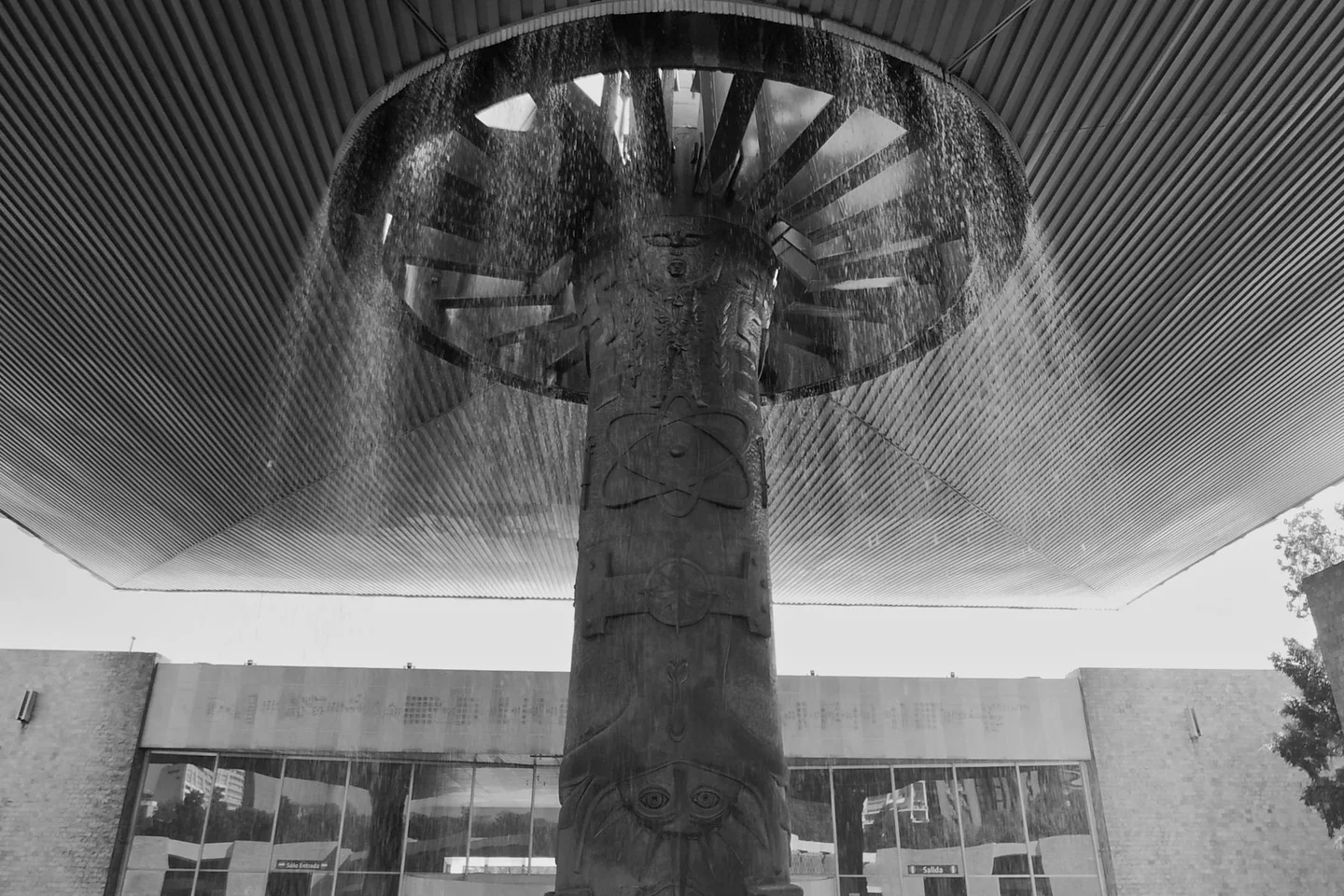
If the courtyard has a fountain or planting, observe it without touching or feeding anything. Water features and gardens may belong to the collection's setting rather than being designed for visitor interaction. Keep food and drink within the areas where the museum permits them; the presence of an outdoor space does not settle that rule.
When you re-enter, choose a specific focus for the next part of the visit. You might compare materials, follow one artist or read a room's introduction more closely. The courtyard pause has then changed the way you look, rather than simply delayed the route. If you decide to leave, that is an equally useful outcome: a museum visit can end at the point when its contents are still distinct in your memory.