Slow down without stopping the street
A pedestrian street removes some traffic concerns, but it does not remove the need to share space. Deliveries, mobility aids, shop entrances and people trying to get somewhere still shape the route. Walk with enough awareness to step aside before consulting a map or taking a photograph. A broad street can become narrow around stalls, queues and groups.
Begin by walking a short stretch without entering every shop. Notice how the street changes from one end to the other. Large storefronts may give way to smaller businesses, and side lanes may lead toward quieter squares. Choose one section to explore rather than assuming the entire length deserves the same attention.
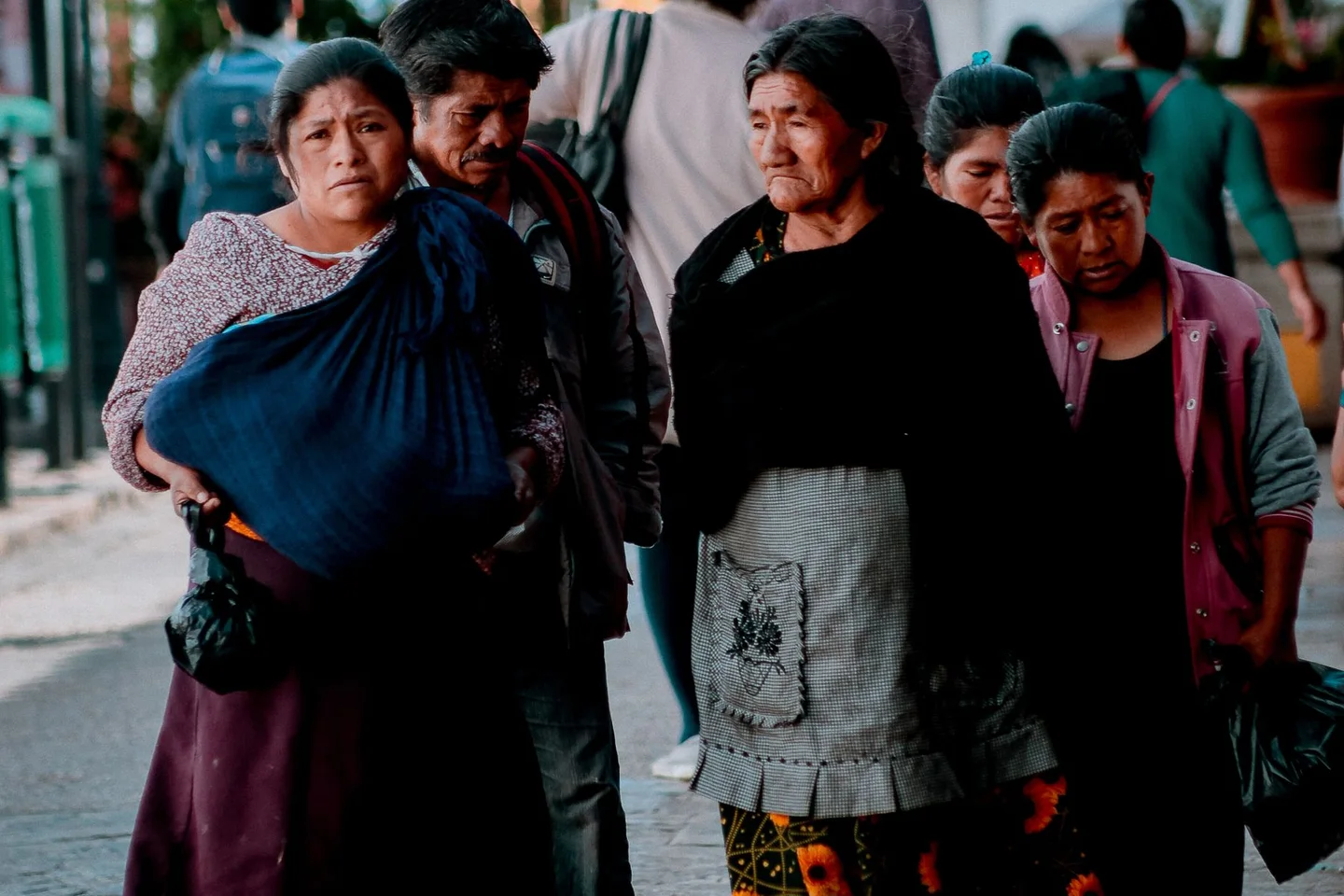
Look above and beside the shopfronts
Ground-floor signs often compete for attention. Raise your eyes to the upper floors and you may notice balconies, older windows or differences in building height. Then look back at street level and see how those buildings are used now. The contrast gives the walk more substance than a sequence of window displays.
Side streets can add interest, but do not follow every opening. Pick one that visibly connects with a public route or a destination you have identified. An attractive passage may belong to a private property or close at a particular time. Read the signs rather than assuming pedestrian access continues everywhere.
If there are performers or temporary sellers, leave the through-route clear. Watch from the side of the gathering instead of stopping abruptly in its narrowest point. Treat requests about photographs and participation as part of the interaction, not as an inconvenience to getting a picture.
Make one deliberate stop
Choose a shop, café or cultural space that fits your interests and give it a real visit. This breaks the habit of scanning endlessly without remembering anything. You can then continue with a clearer sense of the street's character.
Before finishing, find a simple route back to your next destination. Pedestrian areas sometimes end at busy crossings, so pay attention when the walking environment changes. The most useful memory may be a small detail or conversation rather than having reached the street's far end.