The pavement still belongs to everyone
Street photography begins with finding somewhere to stand. Before considering light or composition, look at entrances, queues and the flow of pedestrians. A doorway may offer a frame but still need to remain clear. Step out of the main walking line and avoid placing bags or equipment where people must move around them.
If your subject is a building, decide whether you need a person in the image at all. Waiting for a moment with fewer people can simplify both the photograph and the interaction. If a particular person becomes the subject, ask permission where appropriate rather than treating a public setting as permission for every kind of close photograph.
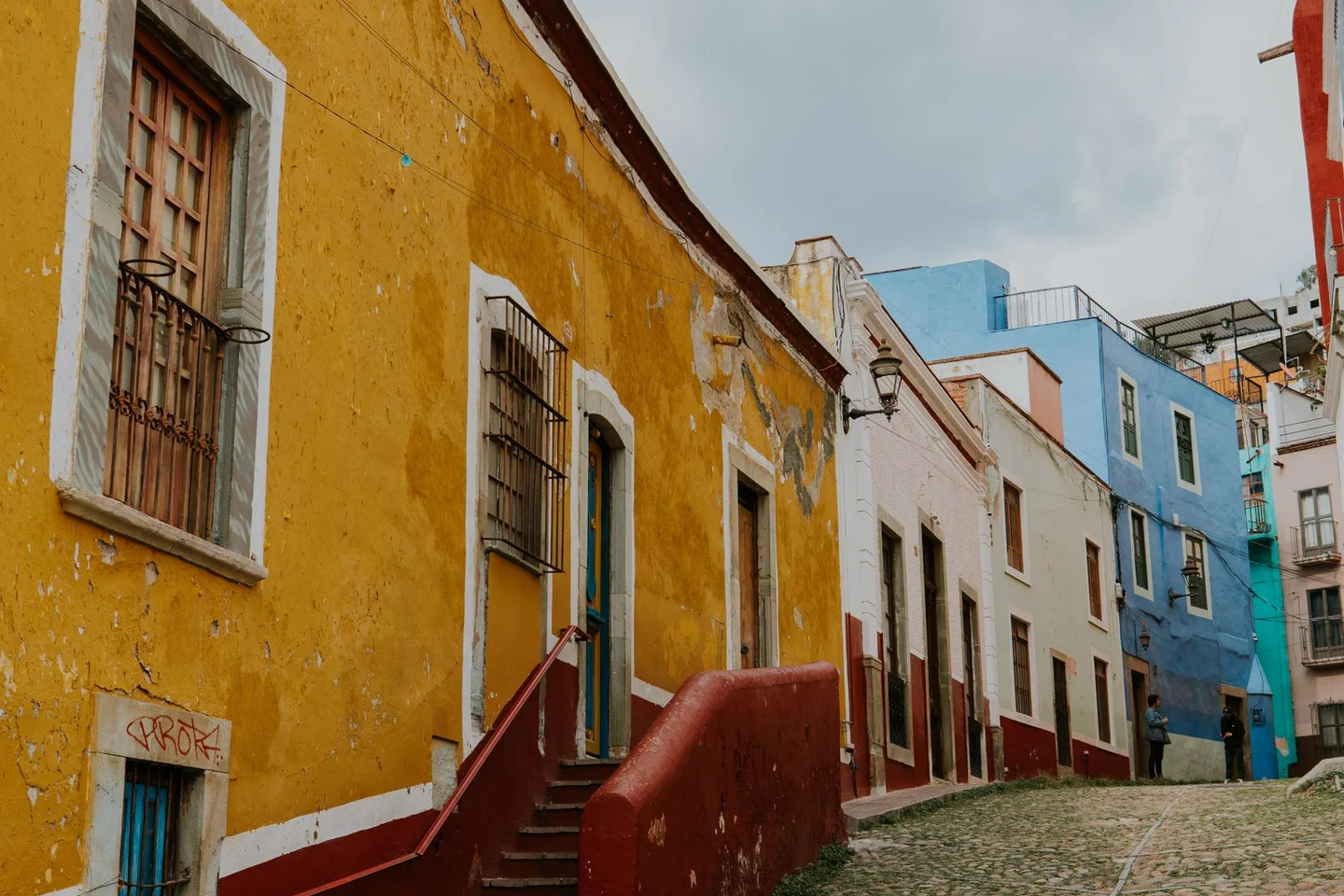
Make the frame with your eyes first
Spend a moment observing before raising the camera. Notice a repeating color, a shadow across a wall or the rhythm of windows. Choose the detail that makes the scene interesting, then decide how much surrounding information it needs. This reduces repeated stops and makes the final image more intentional.
Move carefully when changing position. Looking through a screen narrows your awareness of steps, uneven paving and traffic. Lower the camera before walking backwards or crossing a street. If the desired angle requires an awkward or unsafe position, choose another composition. A slightly narrower view is preferable to making the street inconvenient for everyone nearby.
Respect signs about photography inside shops, markets and cultural buildings. Rules may change once you cross an entrance even if the interior is visible from outside. Ask separately about photographing work in progress or distinctive products; a friendly conversation does not automatically settle that question.
Edit the visit into a small sequence
Try making a sequence of three different views: the street as a whole, a medium view of one building and a detail that explains why it caught your attention. This produces a more useful record than many nearly identical close-ups. It also reduces the temptation to stop at every facade, because you have a clear purpose for each image.
Before photographing a sign, consider whether its information is public-facing or personal. A business name is different from a private notice containing a resident's contact details. Keep sensitive details out of anything you later share. If a photograph would expose an interior or a person who did not expect to be the subject, change the frame rather than relying on a crop you may forget to make.
At the end of the walk, select the sequence that actually represents the place you saw. Avoid adding a location to an image merely because it resembles that area. Accurate captions can be simple: a named public street and an observable detail are enough.
Keep enough context to remember
Alongside a close detail, consider one wider image that explains where it belongs. Record the street or building name without publishing someone's private information. Later, a beautiful door without any location may be difficult to distinguish from dozens of similar photographs.
Put the camera away for part of the walk. Looking without recording often reveals details that a search for images overlooks. At the end, select a few photographs that describe different aspects of the outing rather than keeping a long series of nearly identical frames. The visit can remain larger than its photographic record.