Decide what would make the shorter day worthwhile
A shorter nature outing is easier to choose when it already has a shape. Before leaving, identify a recognised return point and one part of the destination you would still enjoy if the longer route became unsuitable. This could be a visitor exhibition, an approved overlook or a brief interpretive path.
The alternative should be genuinely simpler. Moving to a different remote trail after abandoning the first one may add more travel and uncertainty rather than reduce them. Keep the revised plan close to known facilities and the transport you have arranged. It should make departure easier, not create another deadline.
Agree on the decision with the people travelling. If one person believes the main viewpoint is compulsory, the group may keep moving despite a change in conditions or energy. Say clearly that the route is an option within the day, not a task everyone must complete.
Notice the change early
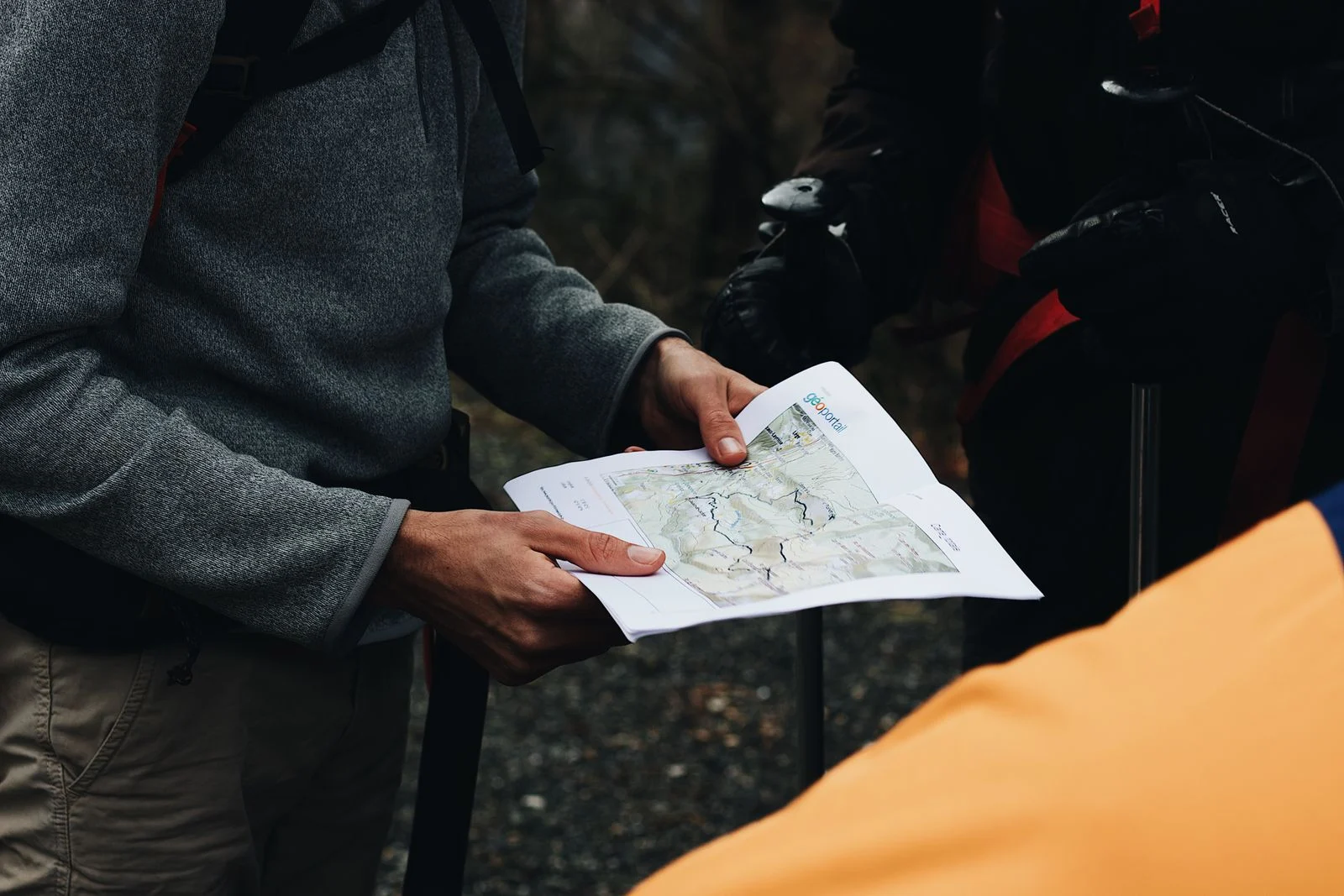
Pay attention to progress at recognised junctions. Compare the remaining terrain and return time, not just the distance covered. A slower pace, an unavailable section or updated advice from staff can all justify choosing the shorter arrangement. You do not need to wait for a dramatic problem before changing direction.
Follow current closures and site instructions without trying to negotiate a personal exception. If the original attraction cannot be visited, ask which authorised options remain. Separate any booking or payment question from the immediate choice of where to go.
Once the decision is made, let the new plan become the day. Repeatedly discussing what was missed can make a comfortable revised outing feel like a failed attempt. Take time at the accessible view, eat without rushing or ask a guide about something nearby. A trip can be memorable for one well-observed place. Returning with some energy and a clear idea of what you might do another time is a reasonable outcome, not an unfinished obligation.