Plan the rubbish before packing the bag
The easiest waste to carry out is waste you expected. Before a nature day, look at what your food, drinks and small supplies will leave behind. Remove unnecessary outer packaging at home and bring a bag that can contain wrappers, tissues and any wet items without leaking into the rest of your belongings.
Reusable containers help when they suit the meal, but they still need to travel back. Choose shapes that nest or close securely after use. Keep a small count of the things you unpack at a rest stop. A lid, bottle cap or torn corner is easier to miss than a whole lunchbox.
Do not assume the destination has bins, or that a bin shown in an old photograph is available for visitor waste today. Follow the site's disposal instructions. If a container is full, placing rubbish beside it simply leaves the material in the environment. Be prepared to take it back to a suitable collection point.
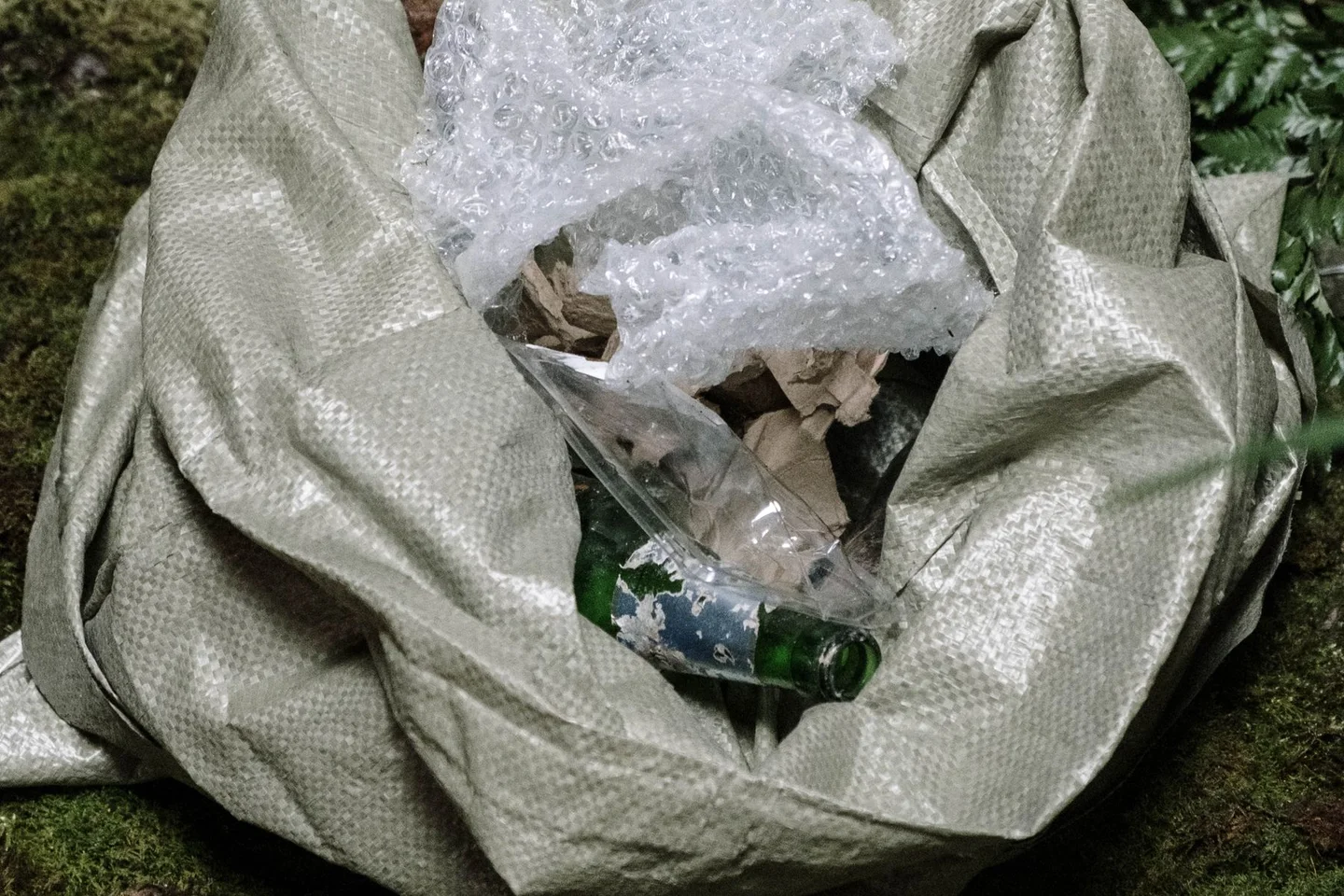
Leave the setting in place
Food scraps are not an exception. Peels, cores and leftovers can affect animals and other visitors even if they eventually break down. Keep them with the rest of the meal. Do not wash dishes or tip drinks into natural water to make the return bag cleaner.
Leave flowers, stones, feathers and fallen wood where they are. A photograph or a description can preserve the memory without removing part of the site. Stay on established routes rather than opening a shortcut that becomes an invitation for the next group to follow.
Before leaving a stopping place, look at the ground and the area beneath seats or bags. This brief check often catches something that fell unnoticed. If you encounter litter, only handle what you can collect appropriately; do not turn the outing into an improvised cleanup of unknown materials. Respecting the site is mostly a sequence of small, ordinary decisions made before, during and after the visit.