Read before the entrance queue
Park rules can affect the day more than a list of attractions. Restrictions on routes, pets, food, equipment or guided access are easier to work with before you arrive carrying something the site does not admit. Read the current visitor information for the specific park, not just general advice for the region.
Distinguish opening information from activity permission. A park may be open while a trail or water activity is unavailable. Check the part you intend to use and any reservation requirements attached to it. If the wording is unclear, contact the site rather than treating silence as permission.
Look for how entry is organised. A general admission arrangement may be separate from a guided activity, transport or a particular facility. Keep the confirmation accessible and know whose name the reservation uses. Avoid relying on a screenshot of an old price list to settle a disagreement at the gate.
Create a short departure note for the group rather than forwarding several pages of regulations without context. Include the exact arrival point, the items that affect packing and the activity that requires a reservation. Link to the official information so companions can read details if needed. This keeps the practical consequences visible.
For example, a rule about keeping food in a designated area changes where lunch belongs, while a rule about commercial filming may be irrelevant to an ordinary visitor carrying a phone. Read the wording carefully and ask when your intended use is unclear. Avoid expanding a rule into assumptions the site did not state. Accurate planning means understanding both the limits that apply and the normal visitor activities that remain available.
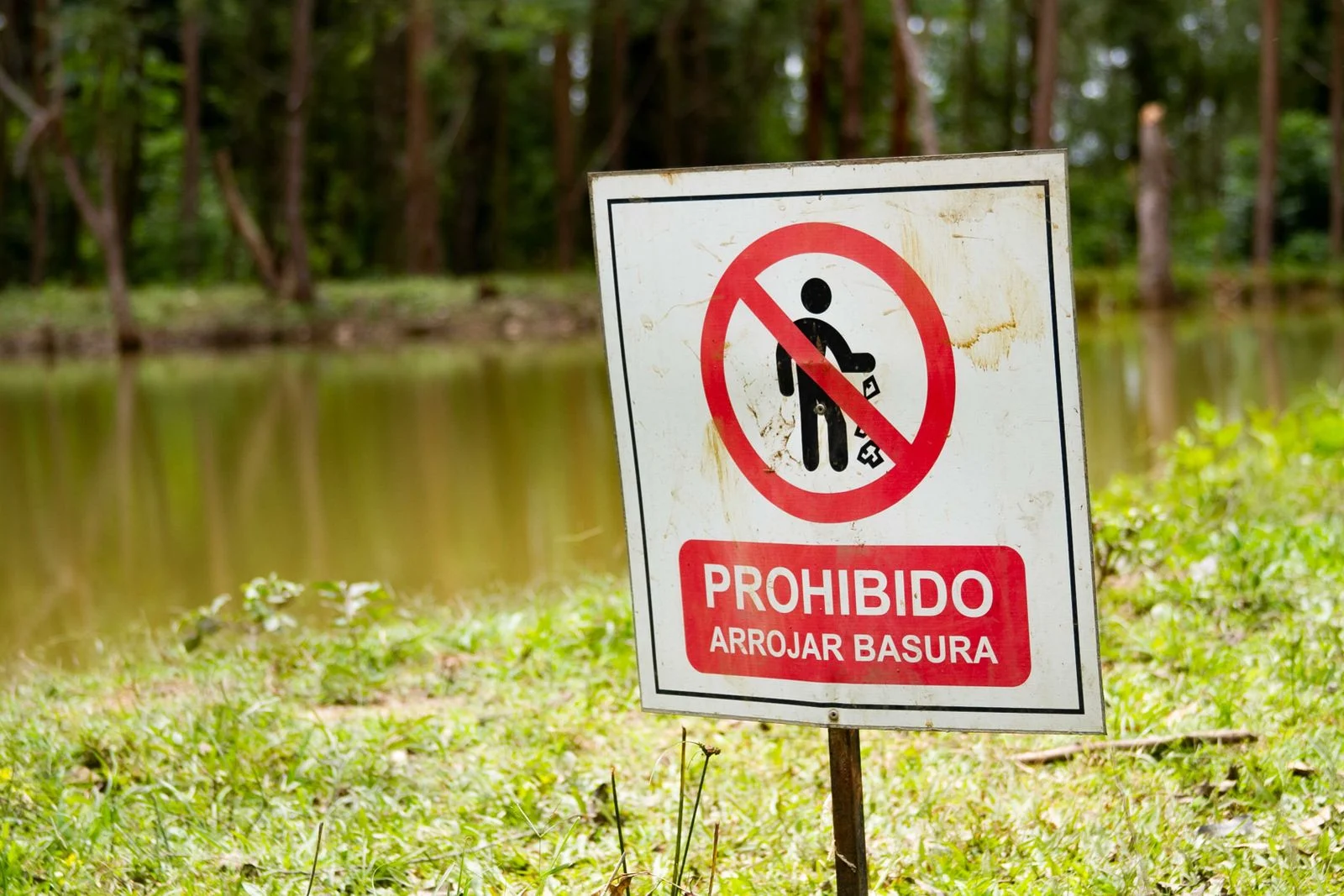
Make the rules part of the plan
If food is limited to designated areas, place lunch there. If an activity requires a guide, include the meeting time and expected group format. If a trail is one-way or closes before the main entrance, structure the route accordingly. These are practical design details for your day, not footnotes to read after starting.
Explain relevant rules to the whole group, especially when one person has handled the booking. A companion who brings a pet or bulky equipment may not have seen the same information. Sharing a short, accurate summary before departure prevents a difficult decision at the entrance.
At the site, follow updated signs and staff instructions even if they differ from your saved information. Conditions can change. Ask what authorised alternatives remain available rather than looking for a way around the restriction. Keep a record of booking conditions if you need to discuss a change with the provider later, but separate that conversation from respecting the current visitor instructions. A well-planned day leaves enough flexibility to work within the place as it is operating.