A blue shape on the map is not an access plan
A reservoir may have a long shoreline but only a few places intended for visitors. Some edges serve infrastructure, work sites or private properties. Start by locating an established recreation or viewing area, then build the outing around that point rather than around an imagined drive beside the entire waterline.
Confirm the entrance and the final approach. A road near the water may end at a gate or lead to an area that is not open for recreation. Ask about parking, walking surfaces and whether the view is close to the visitor area or reached by a separate path. These details are especially useful when the group includes people who want a short, level outing.
Water levels can change the appearance of the shore. Do not expect the same foreground shown in an older photograph. Mud, exposed ground or a distant waterline may alter where it is comfortable to spend time. Follow the current boundaries instead of walking farther out to recreate a familiar image.
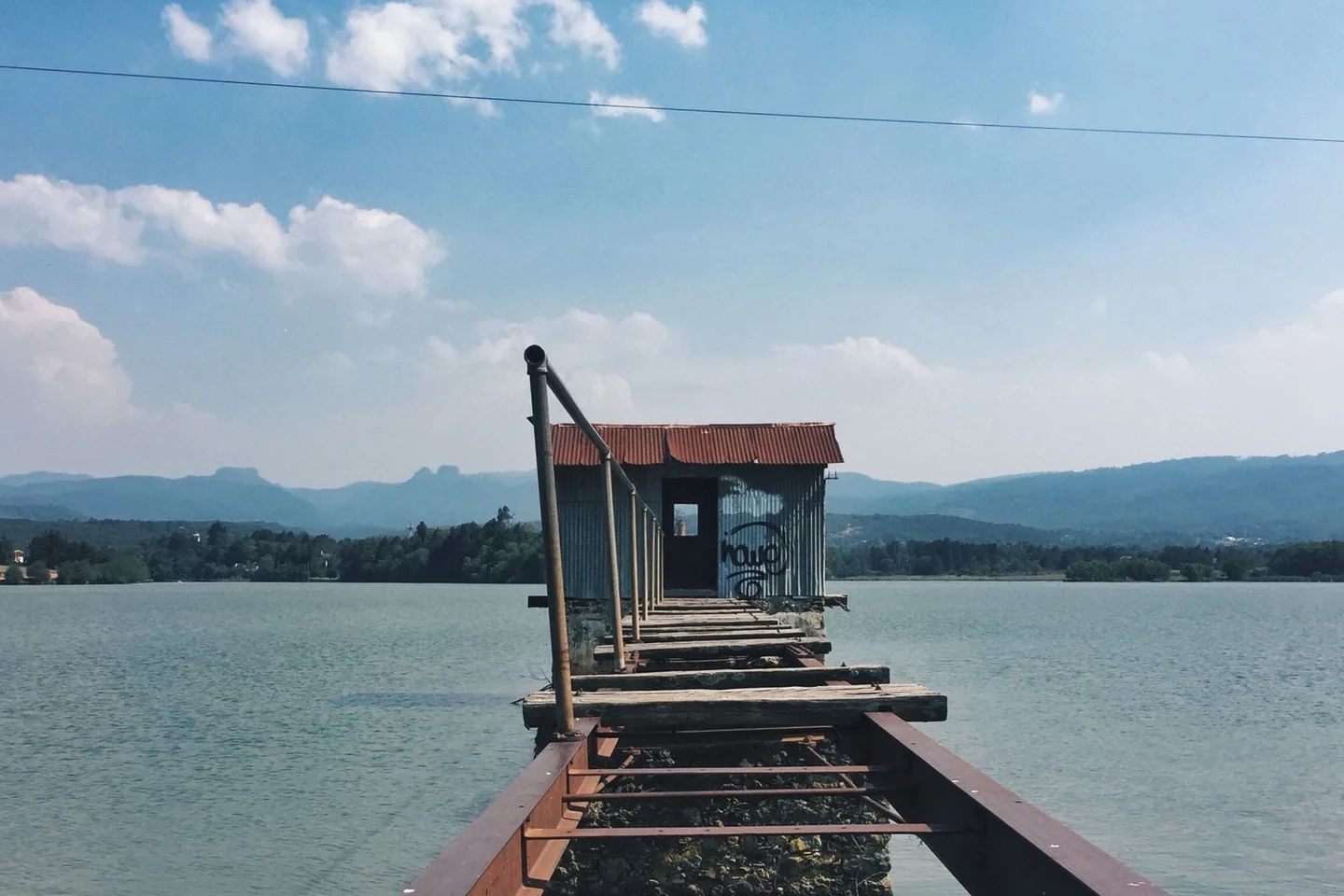
Choose one activity that fits the site
A viewpoint and a meal can form a complete day. If boating or another water activity is offered, confirm its current availability and conditions separately. The presence of water does not imply permission to swim, launch a craft or reach every visible bank.
Look for a place to sit that does not interfere with access or operations. A public recreation area can be busy, so consider whether you prefer a walk before lunch or a longer seated pause. Keep food and waste contained, and leave natural material along the shore in place.
Plan the departure around the actual road, not the straight-line distance to the nearest town. A winding approach can take longer than expected. If transport is hired, arrange the return rather than assuming vehicles will pass regularly. An outing centred on one reliable access point is often more satisfying than spending the day searching for a shore you saw only as a line on a map.