A toddler may spend longer watching a delivery cart than looking at the attraction everyone came to see. A workable outing leaves room for that uneven pace instead of treating every pause as a delay.
Start with the parts of the day that are difficult to move: a usual meal, a rest period and the return journey. Place a small activity between them. Avoid building the plan around an assumption that a child will sleep in an unfamiliar stroller, car or carrier simply because the schedule requires it.
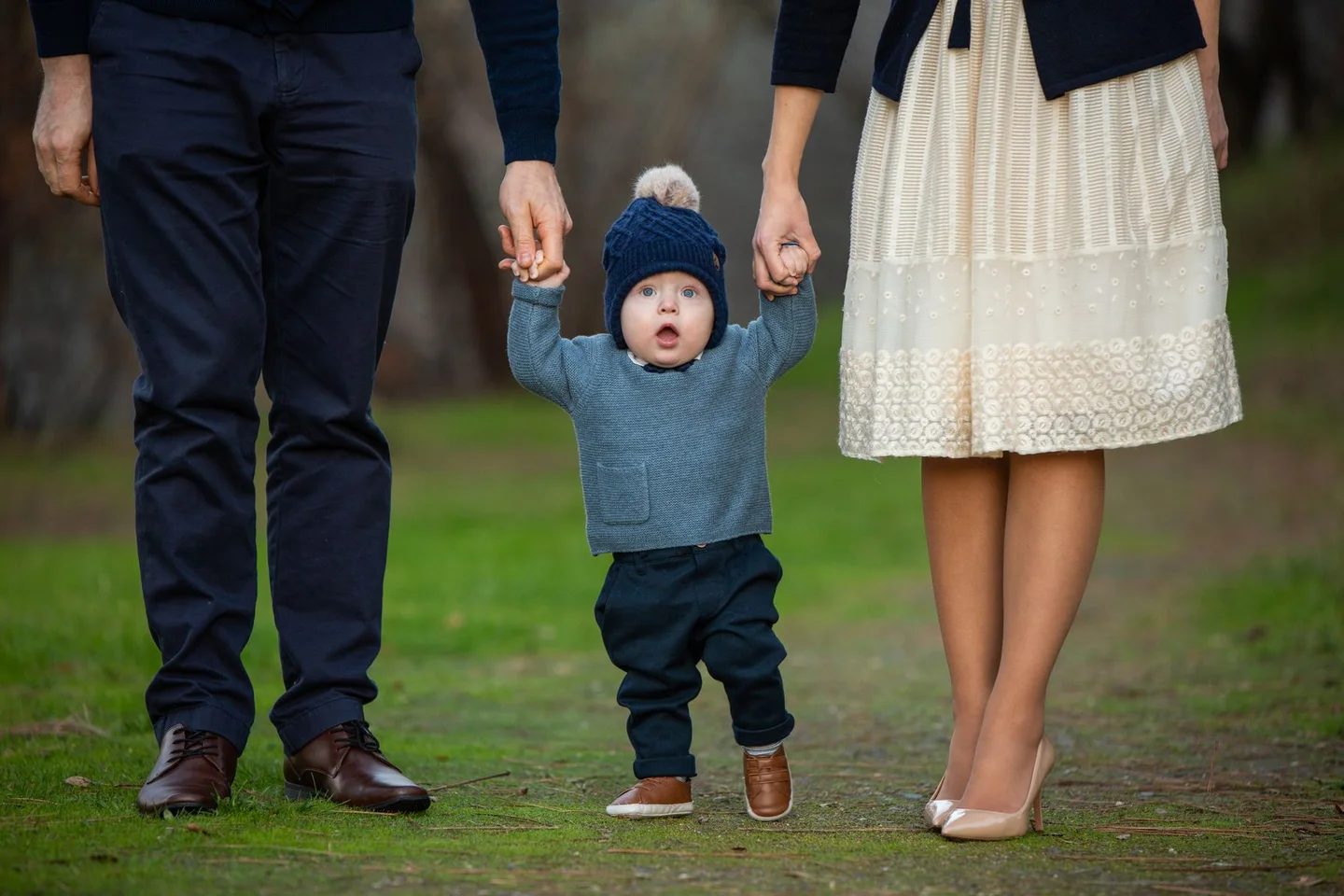
Choose a route with stopping places
A route with benches and small open spaces offers more choices than one continuous path between two distant entrances. You can stop after an interesting detail, shorten the loop or change from walking to riding without feeling that you are holding up the entire visit.
Think about the adult workload too. Carrying a child while another person searches for a ticket is easier when the bags and roles were agreed beforehand. If one adult is travelling alone with the child, reduce the number of transitions and keep the first outing especially simple.
Avoid scheduling the longest queue just before a usual meal. Even a modest delay can feel much larger when several needs arrive together. A different order of activities may solve the problem without changing the destination. This is where a flexible plan earns its place: it lets ordinary family routines shape the visit instead of treating them as interruptions.
Measure effort, not only distance
A short route can still involve steps, queues and repeated lifting. Look at the whole journey from the parking space or bus stop to the place you want to visit. A smooth path to a garden may offer more freedom than a shorter cobbled lane where someone must constantly help with balance.
Allow walking in places where it is appropriate and keep a reliable way to move on when it is not. Check that any carrier or stroller suits the child and the route, following its instructions. A scenic photograph is not evidence that the equipment can handle the ground.
Bring a familiar snack and the ordinary items used for changes or comfort. Keep them together so that a stop does not require emptying several bags. A small cloth can have a clear use; three extra toys may only become three things to retrieve from the pavement.
Shorten the next step
When attention or energy fades, reduce the immediate task. Finding a bench can be a better next destination than finishing the entire museum floor. If the group separates briefly, agree on a visible meeting place and who has the necessary bag.
Try not to use the final attraction as a reward for enduring a long, uncomfortable walk. That can make the route feel endless. Enjoy the pieces that work and let the optional part disappear when it stops helping.
A successful toddler outing may contain very little sightseeing. It can still include a new place, a shared meal and a return that feels manageable. Keep notes about the route and timing, rather than comparing the day with an adult itinerary.