A first family excursion can be a park, a nearby town square and lunch, rather than a destination that fills an entire day. A short outing reveals which parts of travelling together need attention while the journey home is still straightforward.
Choose somewhere with a clear arrival point and a modest main activity. A garden with one obvious entrance is easier to organise than a large attraction with several car parks, timed tickets and a shuttle. Keep the transport simple enough that a missed turn does not undo the afternoon.
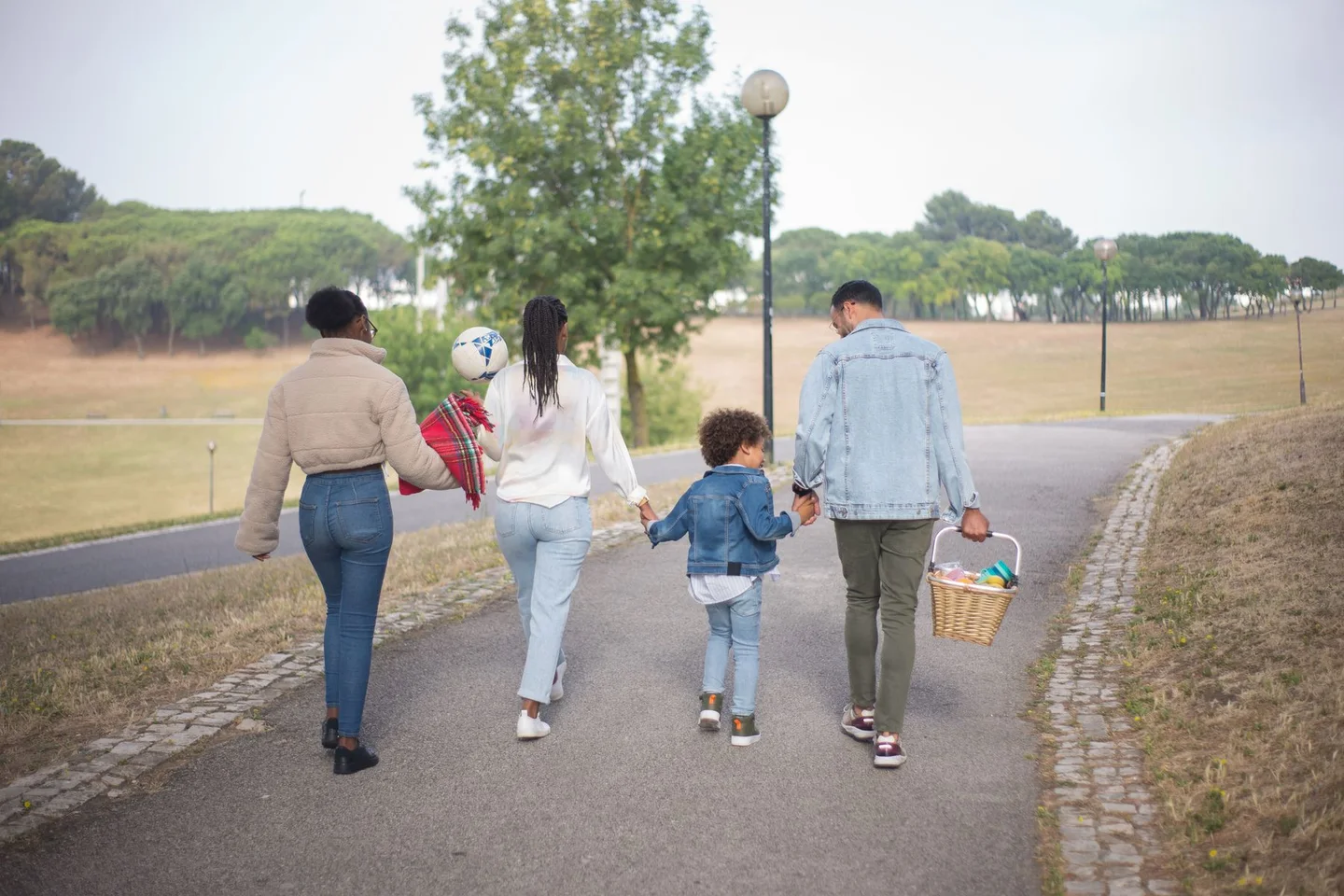
Use a familiar starting point
A nearby destination has one advantage that is easy to overlook: the family can repeat it. The first visit can be a short walk and a snack, while a later visit adds the market or museum. Repetition gives children a recognisable place and gives adults reliable knowledge about arrival, toilets and the journey home.
Choose a starting point where gathering the group is easy. A busy junction or a narrow pavement outside a shop may make the first few minutes unnecessarily tense. A clear entrance with room to stand allows time to adjust bags and explain the next step.
For the first outing, avoid making success depend on a prepaid sequence of activities. One reservation may be useful, but several can remove the flexibility that makes a short experiment valuable. Spend the day learning how the family travels together rather than testing whether everyone can maintain an ambitious schedule.
Give the day one purpose
Decide what would make the outing worthwhile before adding extras. Perhaps the children want to see a fountain, or someone wants to visit a small craft market. That becomes the centre of the plan. A second stop can stay optional, especially when it requires repacking the car or walking back across town.
Explain the plan in ordinary terms: travel, walk, eat, return. Children do not need every detail, but knowing that lunch follows the walk can make a new place feel less uncertain. Adults benefit from agreeing on the same sequence instead of proposing competing plans after arrival.
Pack for the actual outing. Water, the food you need, suitable clothing and essential personal items usually matter more than several activities to fill imagined quiet moments. Put the things needed first near the top of the bag, rather than under a spare outfit and a folded blanket.
Watch the transitions
Notice where time disappears. Getting shoes on, buying tickets and finding a toilet may take longer than the headline activity. Those observations are useful information for the next trip, not evidence that the family is bad at travelling.
Return while there is still enough energy for the journey and unpacking. If everyone enjoyed the first hour, it is tempting to add another attraction. Leaving something for another visit often preserves the good part of the day.
Afterwards, record two details: what everyone enjoyed and what made the outing harder. A better meeting point or an earlier meal may improve the next excursion more than choosing a more impressive destination.