A three-generation outing works better when the plan is built around shared time rather than a compromise walking speed. Grandparents, parents and children may enjoy the same place in different ways, and none of those ways has to define the whole day.
Ask each person what they want from the visit and what would make it tiring. Avoid assigning abilities by age. Someone may happily walk on level ground but dislike standing in a queue; another may prefer a longer stroll to repeated trips in and out of a vehicle.
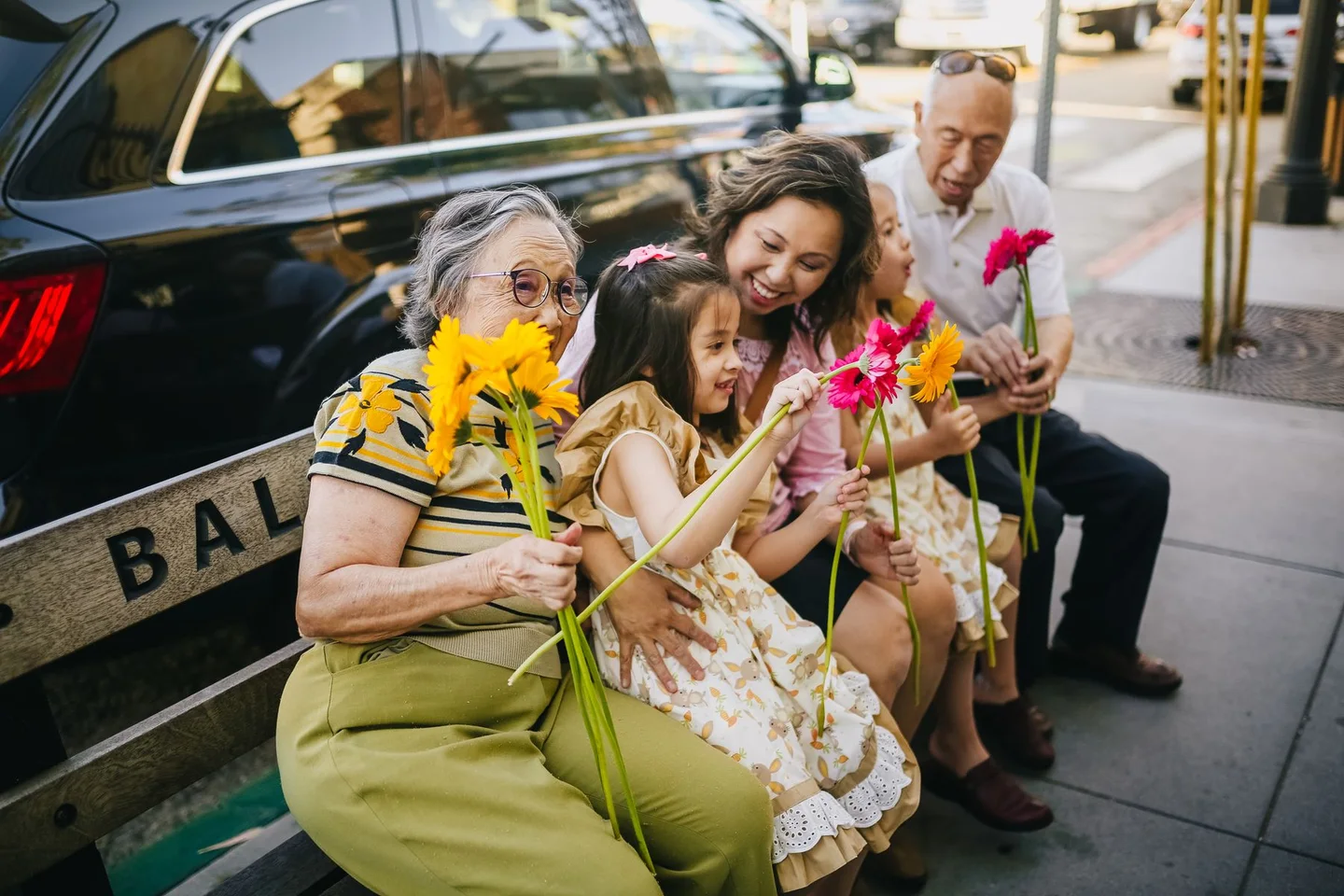
Try the plan as a conversation
Imagine a visit to a small town with a garden and a museum. One person wants the museum, another would rather spend time outdoors, and the children are interested mainly in the fountain. Instead of asking everyone to complete all three activities, use the square as the shared centre. Check that the garden and museum are genuinely reachable from it, then agree on a meal that brings everyone back together.
This arrangement only works if the waiting option is enjoyable in its own right. “You can sit here while we do the interesting part” can sound like exclusion. Ask whether the person wants company, another activity or simply time alone. A preference for resting should not automatically mean being left with everyone's bags.
Consider the journey home in the conversation. People who are comfortable during a visit may still find a long return difficult. Avoid scheduling the last optional stop at the point farthest from home just because it looks logical on a map. A route that gradually brings the group closer to transport can make the final decisions easier.
Share the final plan in a format everyone can use. A short printed note may suit one person while another prefers a message. Include the meeting place and the essential timing without requiring everyone to install the same app. Confirm that the plan was understood, rather than assuming that sending it completed the communication.
The agreement should also include spending. A shared restaurant bill can become uncomfortable when people expected different arrangements. Decide whether meals, admissions and transport are shared or individual before the outing. This removes an avoidable negotiation from a day intended for enjoying one another's company.
Follow the route from door to seat
Look beyond the attraction’s entrance. The journey includes the distance from parking or public transport, surfaces along the approach and the place where people can sit once inside. A café shown on a map may require a separate purchase or be closed when the group arrives. Confirm the details that your plan depends on.
Choose a main stop with several ways to spend time. A town square with a nearby museum, shaded seating and places to eat can let people pursue different interests without moving the entire group between distant locations. The options need to be genuinely close; a landmark described as nearby may still involve a steep climb.
Discuss transport honestly. Check space for the people and equipment travelling together, including any mobility aid. If a transfer is involved, ask about boarding arrangements before buying tickets. Do not assume that a generic accessibility symbol answers the specific questions of the person using the service.
Give the meal a fixed place
Food can become the shared anchor of the day. Choose a realistic meal window and a location that is reachable from the main activity. Ask about reservations when the group is large, and confirm seating that suits everyone rather than hoping the last available table will work.
Bring a short list of individual food needs to the planning conversation. It is easier to compare menus beforehand than to debate suitable options while hungry. Each person should still manage their own essential personal items; a day-trip guide cannot determine what an individual needs to carry for their health.
Allow time after the meal before the next movement. Paying, finding the bathroom and gathering bags rarely happen at the same speed across a group. Leave these transitions visible in the schedule instead of hiding them inside the time assigned to sightseeing.
Separate briefly, meet clearly
It can be enjoyable for some people to visit a gallery while others remain in the square. Agree on the exact meeting place, the time and a simple fallback if phones do not connect. Choose something recognisable from ground level, not a map label that covers several streets.
Avoid making one adult the automatic helper for every transition. Share ordinary tasks such as finding the entrance, keeping the reservation details or carrying communal picnic supplies. Ask before helping with personal equipment; the person using it is the best source of instructions.
Have a shorter version of the day that still feels complete. If the main stop and meal have happened, the optional viewpoint can wait. Make that option explicit before leaving so that an early return does not feel like someone has disappointed everyone else.
The strongest memory may be a conversation over lunch rather than the number of places visited. Leave enough room for that conversation to happen, and choose the next excursion using what the group actually enjoyed rather than what appeared most impressive in photographs.