A spare outfit is most useful when it solves the likely problem quickly. For a short excursion, that may mean replacing wet trousers or a food-covered top, not preparing for every possible change of season.
Consider the activity and the journey. A beach visit, a grassy picnic and a museum afternoon create different needs. Choose layers that work together and are easy to put on in the available space. Clothing that requires several delicate fastenings may be frustrating during a hurried change.
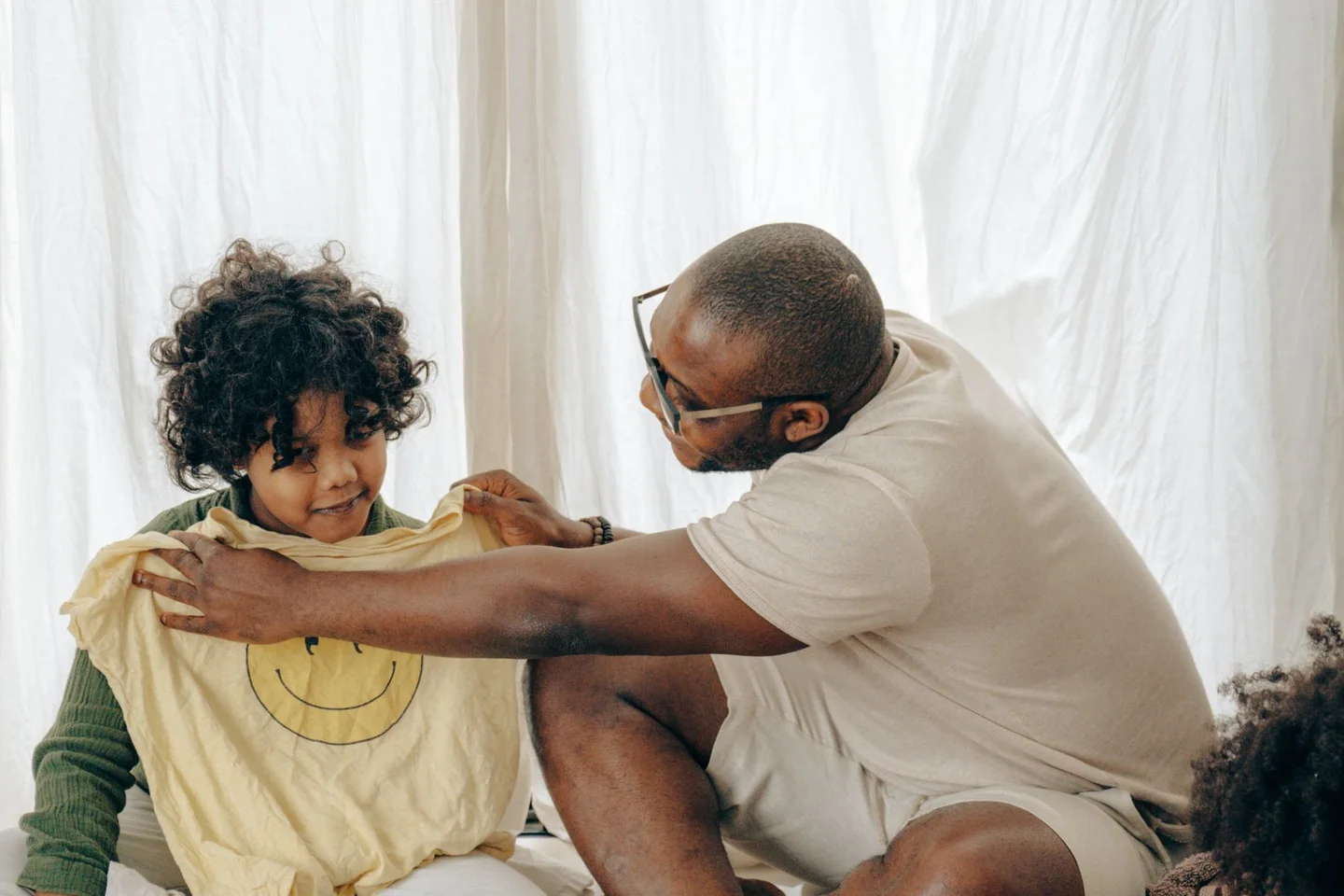
Pack the change as one unit
Put the clean items together in a pouch that is easy to recognise. Include the small pieces that are often forgotten, such as underwear or socks when relevant. Avoid taking only the most visible garment and discovering that the rest of the outfit is still uncomfortable.
Add a separate bag for used clothing. It should contain damp or dirty items without making the clean bag wet. Empty it promptly after returning home rather than leaving it sealed until the next outing.
Keep the pouch accessible but away from leaking bottles and food. If the family will leave the car for several hours, decide which spare items need to come along. A full kit in the boot does little good when the car is far from the activity.
Allow a suitable place to change
Notice appropriate facilities on arrival. Do not assume every destination has a changing table or private family room. A short visit may be easier if the required facilities are confirmed before leaving.
Older children can help choose and carry a modest change of clothing when that suits them. Explain which bag is for clean items and which is for used ones. This small distinction can prevent the entire pouch becoming a mixed bundle.
Review the kit after a few outings. Replace clothing that no longer fits and remove items that repeatedly travel without a purpose. The goal is a compact, familiar set that can be found and used quickly, leaving more of the day for the outing itself.