A quiet break does not need to be a separate attraction. It may be a shaded courtyard, the edge of a garden or a café table away from the entrance. Its value lies in reducing the number of things everyone has to respond to at once.
Look for a possible pause before the group becomes tired. On arrival, notice where people are moving quickly, where music or traffic is loud and where there is somewhere to sit. A spot that looks peaceful in a photograph may sit directly beside a tour meeting point.
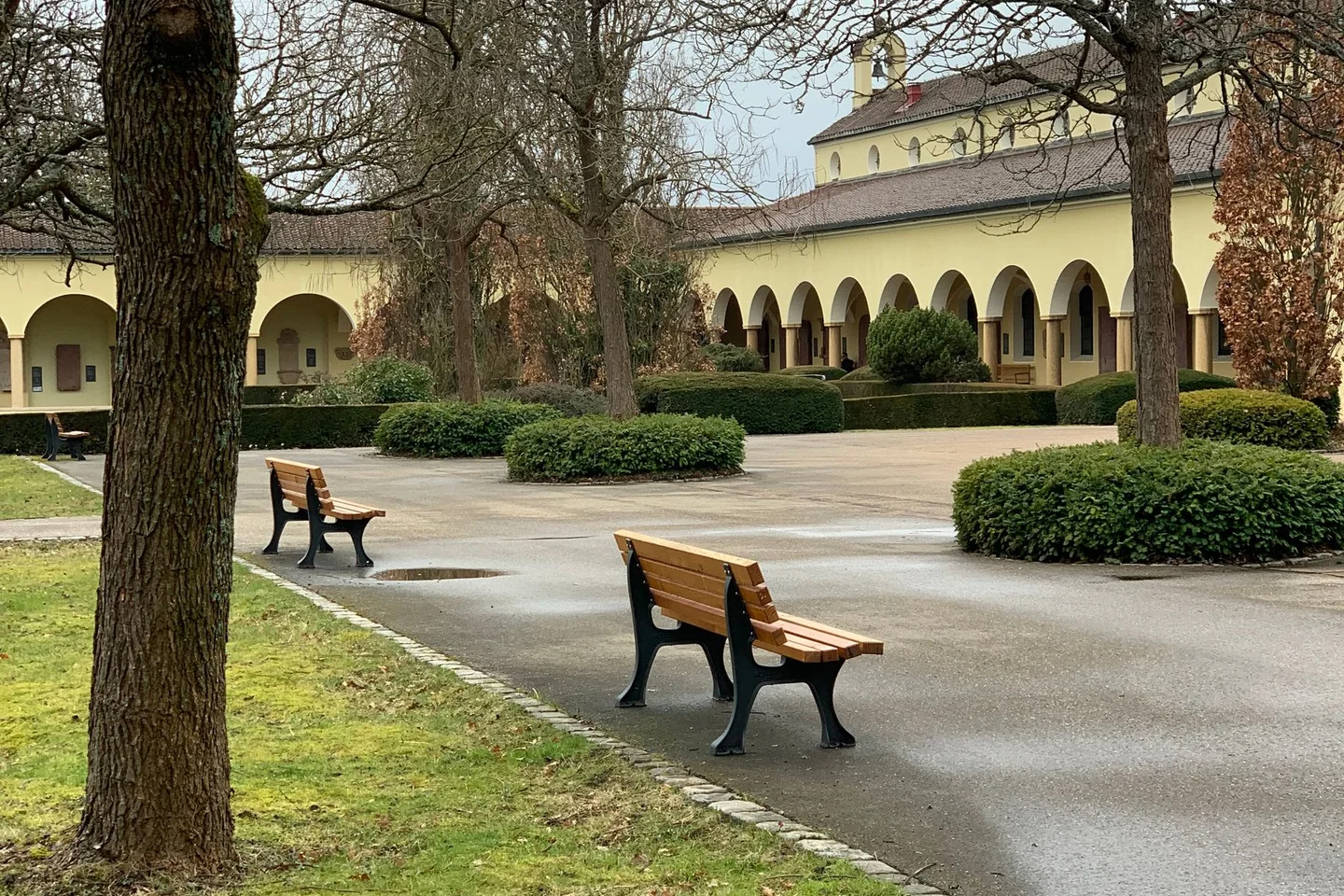
Keep the pause uncomplicated
Avoid turning rest into another task. There is no need to take photographs, buy souvenirs or decide the afternoon itinerary immediately. Put down bags where they can be watched and allow a few minutes without a new instruction.
Ask before assuming someone wants conversation. A child may need a simple snack and less noise; an adult may want to check the return route quietly. The break can serve different purposes without requiring everyone to do the same thing.
If the only comfortable seating belongs to a business, use it on the business’s terms. Check what is available and whether ordering fits the budget. Do not build the plan around occupying a restaurant table without purchasing anything.
Know how to rejoin the day
Choose the next step while the group is still settled. A short visit nearby may be more realistic than reviving the entire original itinerary. Give clear information about where you are going, especially if people have spread out within the rest area.
For a larger family, it may help to agree that one person checks the next entrance while the others remain seated. Keep the communication simple and do not leave someone waiting indefinitely for a message that may not arrive.
Notice whether the pause actually changes the mood. If everyone remains uncomfortable, a longer stop or a return home may be appropriate. Rest is not a device for forcing another attraction into the day; it is part of spending the day together comfortably.