A picnic is easier to carry when it is planned as a meal rather than a collection of possible meals. Start with the number of people who will eat and what each person normally enjoys, then leave room for one shared extra.
Choose food that can be transported and served appropriately for the conditions. Perishable foods need suitable temperature control; a shaded basket alone does not provide it. If the necessary storage cannot be maintained, choose a different menu rather than hoping the journey will be short enough.
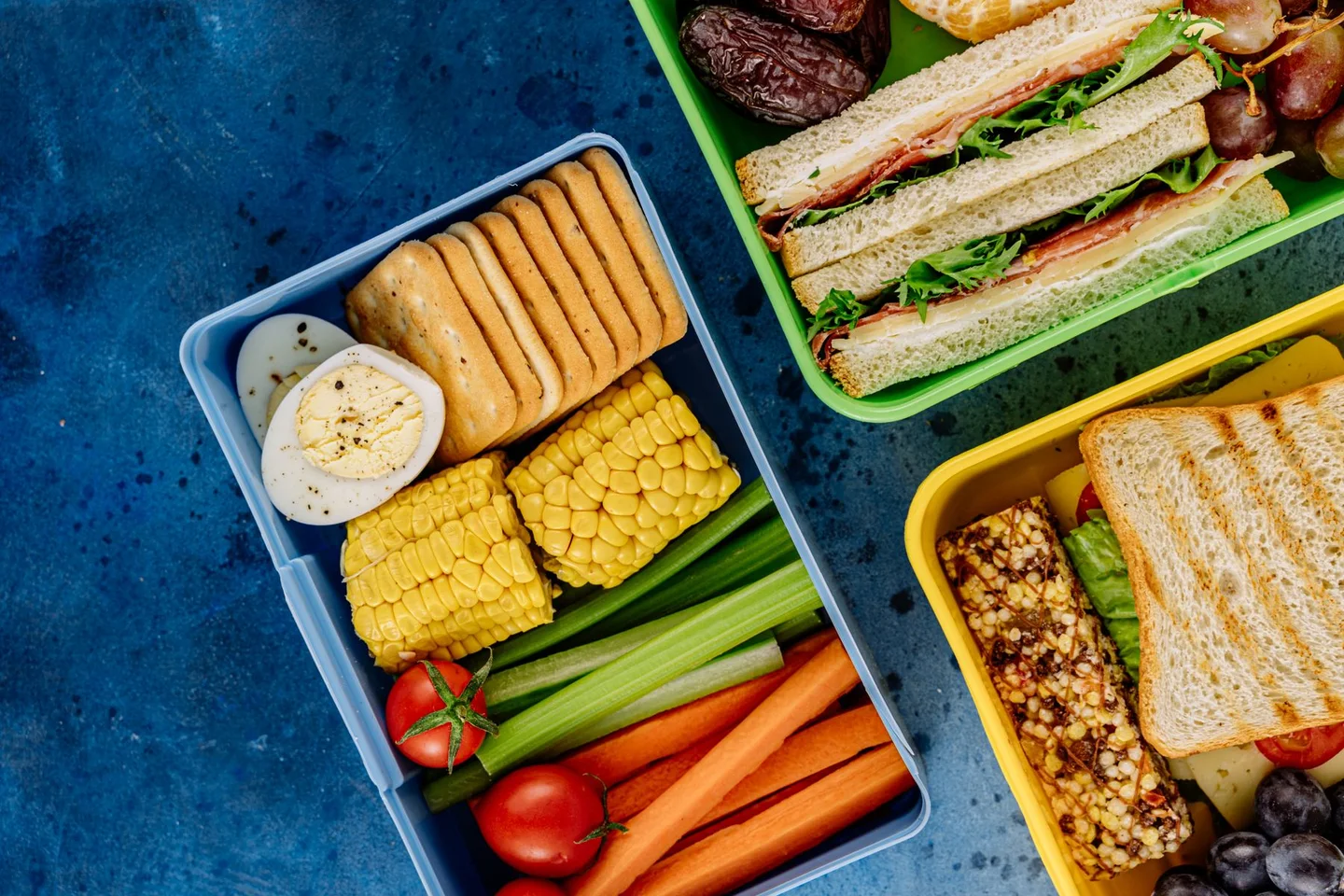
Build the meal from familiar amounts
Use an ordinary meal at home as a starting point for quantity, then adjust for the activity and the people. Outdoor eating does not automatically require a much larger selection. If several families contribute, agree on categories so that everyone does not arrive with bread while nobody brings the planned filling.
Choose a container arrangement that can be packed away quickly. A shallow box may be easy to serve from but take considerable space after it is empty. A few stackable containers can make the return simpler, provided they suit the food and can be cleaned properly.
Keep serving items distinct from personal utensils where needed. If everyone reaches into the same container, consider whether a serving spoon or individual portions would make the meal easier. The useful test is to imagine opening, eating and closing the picnic while seated at the actual kind of table or ground space available.
Divide before leaving
Portion food into containers that match how it will be eaten. Small shared containers can reduce the need to open everything at once. Keep sauces or wet ingredients separate when they would make bread or crackers unpleasant during the journey.
Think about serving as well as eating. A dish that needs a large knife, several plates and a clean preparation surface may be inconvenient on a park bench. Foods already divided into manageable pieces usually create less work when everyone is hungry.
Ask about dietary requirements beforehand and keep items identifiable. Do not assume that removing one ingredient makes a shared dish suitable for someone with an allergy. Let the person concerned decide what they can eat and how it should be handled.
Match the picnic to the place
Check that food is allowed and that there is a suitable place to sit. Some gardens and visitor sites restrict eating to particular areas. A picnic plan based on a photograph of a lawn may fail if that lawn is not open for use.
Carry the utensils you genuinely need, a way to clean hands and a bag for your own waste. Separate leftovers from rubbish so that packing up does not become a search through sticky containers.
After the outing, notice what came home untouched. Repeated leftovers are a useful guide to portion sizes. The aim is not to ration a pleasant meal, but to stop carrying a second lunch that nobody wanted and that still needs attention on arrival home.