A nature notebook gives a slow walk a purpose without turning it into a lesson that must be completed. A child can record a leaf shape, a bird heard from a tree or the pattern of shadows on a path, even without knowing the correct names.
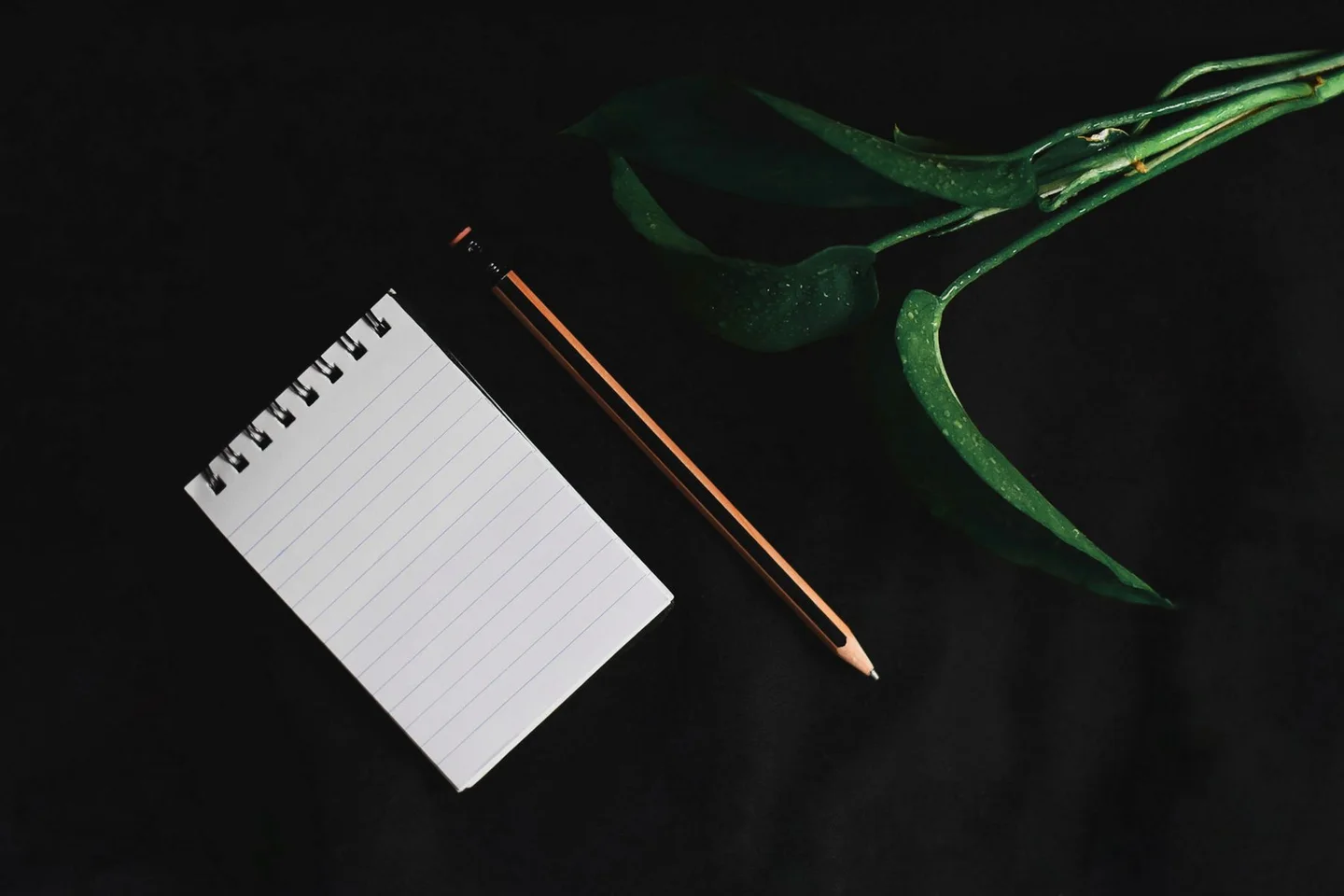
Take a small notebook and a few pencils that work. A large art kit can become another thing to carry and protect. Choose somewhere it is appropriate to stop without blocking the path or disturbing other visitors.
Observe first, label later
Begin with one thing that catches attention. Ask what its edges look like, where it is growing or how its colour changes in shade. These observations are useful even when nobody can identify the species.
Sketches do not need to look polished. A few lines and a written detail can preserve more of the experience than an adult correcting the drawing. Older children may enjoy noting the location or comparing two similar shapes; younger children may prefer a single mark or colour.
Leave plants, stones and other natural objects where they belong when collecting is not permitted or would disturb the place. Drawing and photographing allow a memory to travel home without removing the subject. Do not handle unknown plants or animals to improve the view.
Let the notebook remain optional
Some walks produce several pages; others produce none. Carrying the notebook should not create a requirement to fill it. Put it away when the group wants to move or when the weather makes writing awkward.
A bench or picnic stop can be a better drawing moment than the middle of a trail. People can add details remembered from the walk and compare what each noticed. Different observations are part of the interest, not a test with one correct answer.
At home, date the page and add a place name if desired. Over time, the collection can show changing seasons and familiar places seen differently. The notebook’s value is in paying attention, rather than producing a finished artwork after every excursion.