A museum visit does not have to cover the entire building to feel complete. Choosing a small part of the collection can give a family more to discuss than a hurried circuit through every room.
Before leaving, look at the museum’s own visitor information. Confirm opening arrangements, ticket requirements and any rules about bags, food or photography. Check whether the exhibition that interests you is actually part of the visit rather than relying on an old promotional image.
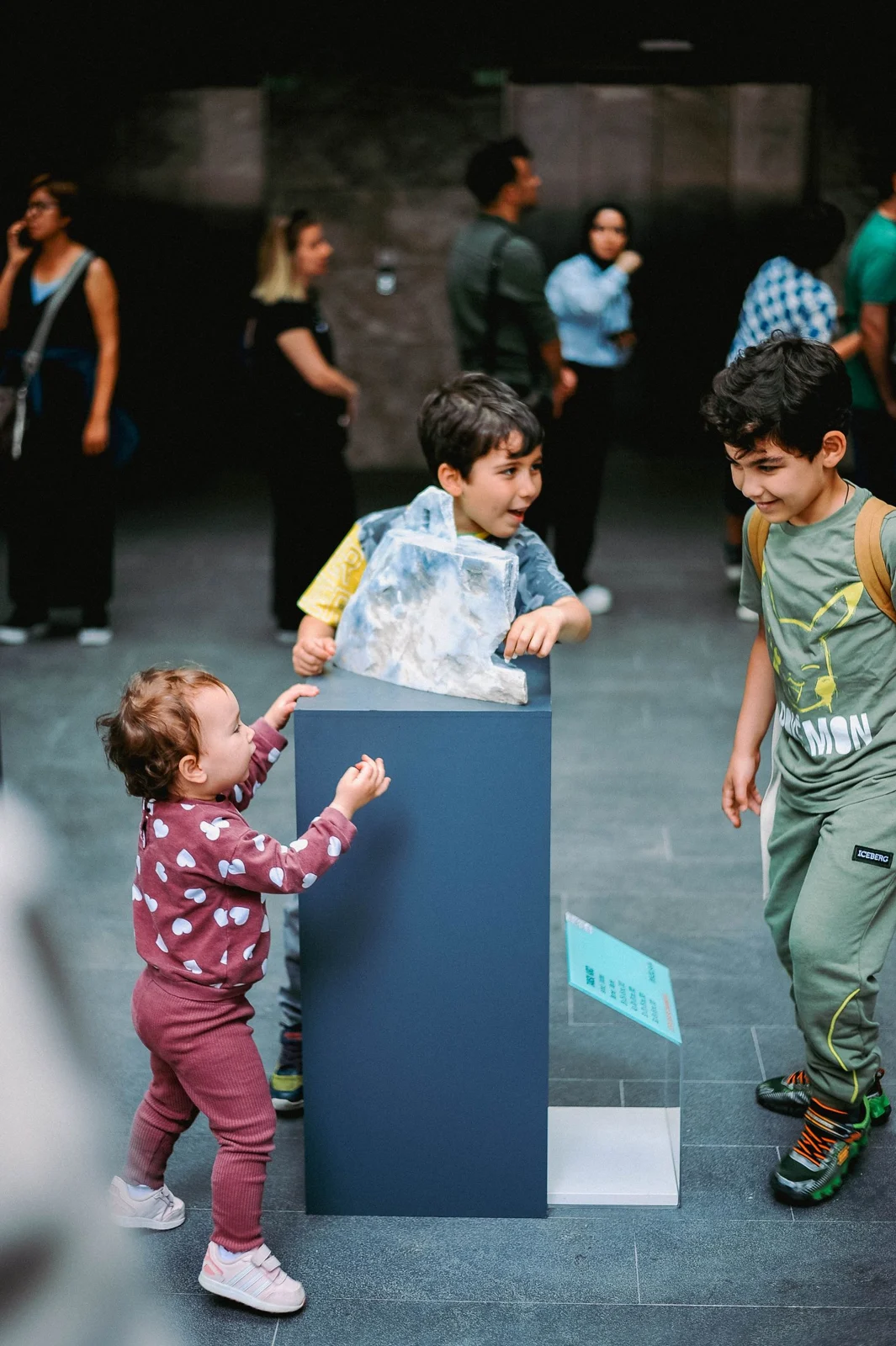
Let one object lead to another
A useful route can grow from a single object. If a child notices a painted animal, look for another representation nearby and compare the choices. If an adult is interested in a household tool, consider what task it performed and what now serves a similar purpose. This creates a thread without requiring a prepared worksheet.
Read enough of the label to avoid inventing an explanation. It is fine to say that you do not know and look for the answer later. Questions can remain open; the visit does not need a confident answer to every detail.
If the museum offers a family activity, check its timing and intended audience. A workshop may require a separate booking or use most of the available visit. Choose it because the group wants that experience, not merely because it carries a family label. Sometimes the ordinary gallery provides more freedom than a scheduled session.
Choose an opening question
Give the visit a loose focus. You might look for how an everyday object was made, compare two ways of depicting a landscape or find a detail that surprises each person. A question invites attention without requiring children to read every label.
Let different ages respond differently. Someone may want the full explanation while another notices a colour or shape. Adults can share a useful detail without delivering a lecture at every display. When interest appears, stay with it instead of moving on merely to keep pace.
Notice seating and quieter areas as you enter. A short pause can make the next room more enjoyable. Keep food for permitted places and follow the museum’s instructions around objects and barriers.
Stop before the visit becomes a march
Choose a sensible turning point, such as the end of one gallery or a particular exhibit. If the group remains interested, add another room. If not, leaving after a focused visit is entirely reasonable.
The shop does not need to be the reward for tolerating the collection. If browsing is part of the outing, agree on spending beforehand so that the final minutes do not become a negotiation over every item.
Afterwards, ask which object people remember and why. The answers may be unexpected and need not match the museum’s most famous piece. A conversation over lunch can become part of the visit, allowing the experience to continue without adding another hour indoors. Save the unvisited rooms for a return that has a clear reason.