A market offers plenty to notice before anyone buys something: colours, scales, stacked baskets and the rhythm of deliveries. A simple family plan makes room for those details while respecting the people who work there.
Choose a manageable area rather than promising to explore every aisle. Check the market’s current opening information and consider how you will arrive and leave with any purchases. A crowded entrance can take more time than the distance on the map suggests.
Choose a question to explore
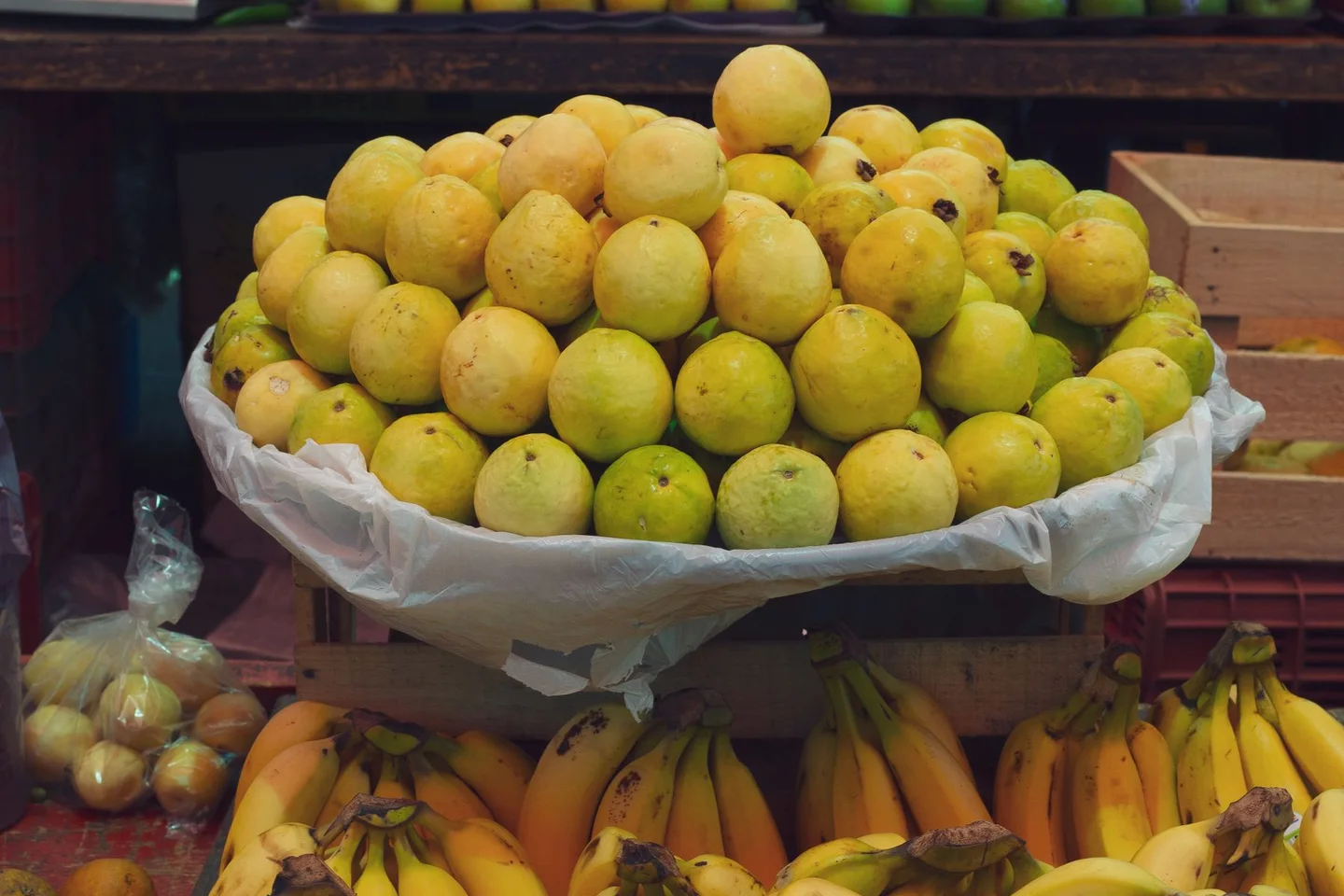
A market visit can be organised around a simple question: which fruits are being sold today, how baskets are used or how a familiar food is prepared for sale. The question gives children something to notice without turning vendors into unpaid guides. Ask politely when someone has time, and let busy people continue their work.
If you want to buy food for a later meal, decide how long it will travel and what storage it needs before choosing it. Attractive produce may still be impractical if it must survive several hours in a crowded bag. A modest purchase that can be used properly is more useful than a large assortment bought for its appearance.
At a craft stall, help children distinguish looking from touching. A demonstration is interesting when it is offered, but the maker may be completing an order rather than performing for visitors. Respecting that difference keeps the outing connected to the market's real purpose.
Give the visit a small purpose
Choose one task, such as finding fruit for later or comparing how a familiar ingredient is displayed. Children can help notice signs and quantities without handling goods uninvited. Ask before photographing people or their stalls, and accept a refusal without argument.
Keep the group close in narrow passages. Stop to look where there is room rather than blocking the flow between vendors and customers. If someone wants a longer conversation or purchase, move the rest of the group to an agreed nearby spot with appropriate supervision.
Carry a bag suitable for what you expect to buy. Delicate items and food need more thought than a general shopping tote. Do not purchase something that requires storage you cannot provide through the rest of the outing.
Make food decisions deliberately
If eating is part of the visit, look for a place that suits the family’s needs and allows a comfortable pause. Ask about ingredients when necessary rather than guessing from appearance. Each person’s requirements matter more than completing a list of foods to try.
Agree on a modest purchase budget before entering. It can include one planned treat or souvenir, but it should not require repeated negotiations at each stall. Keep payment accessible while watching belongings.
Leave when the group has had enough. A short market visit followed by a quieter square may be more enjoyable than pushing through one more crowded aisle. At home, use or store the purchases appropriately and remember which part of the visit people wanted to linger over.