A family bus journey begins before reaching the terminal. Choosing the right departure, preparing the items needed on board and understanding the carrier’s current conditions can make the trip much easier to manage.
Confirm the exact terminal at both ends. Large towns and cities can have more than one, and a familiar destination name does not establish where the coach arrives. Include the journey from the arrival terminal to the activity when deciding whether the outing fits into one day.
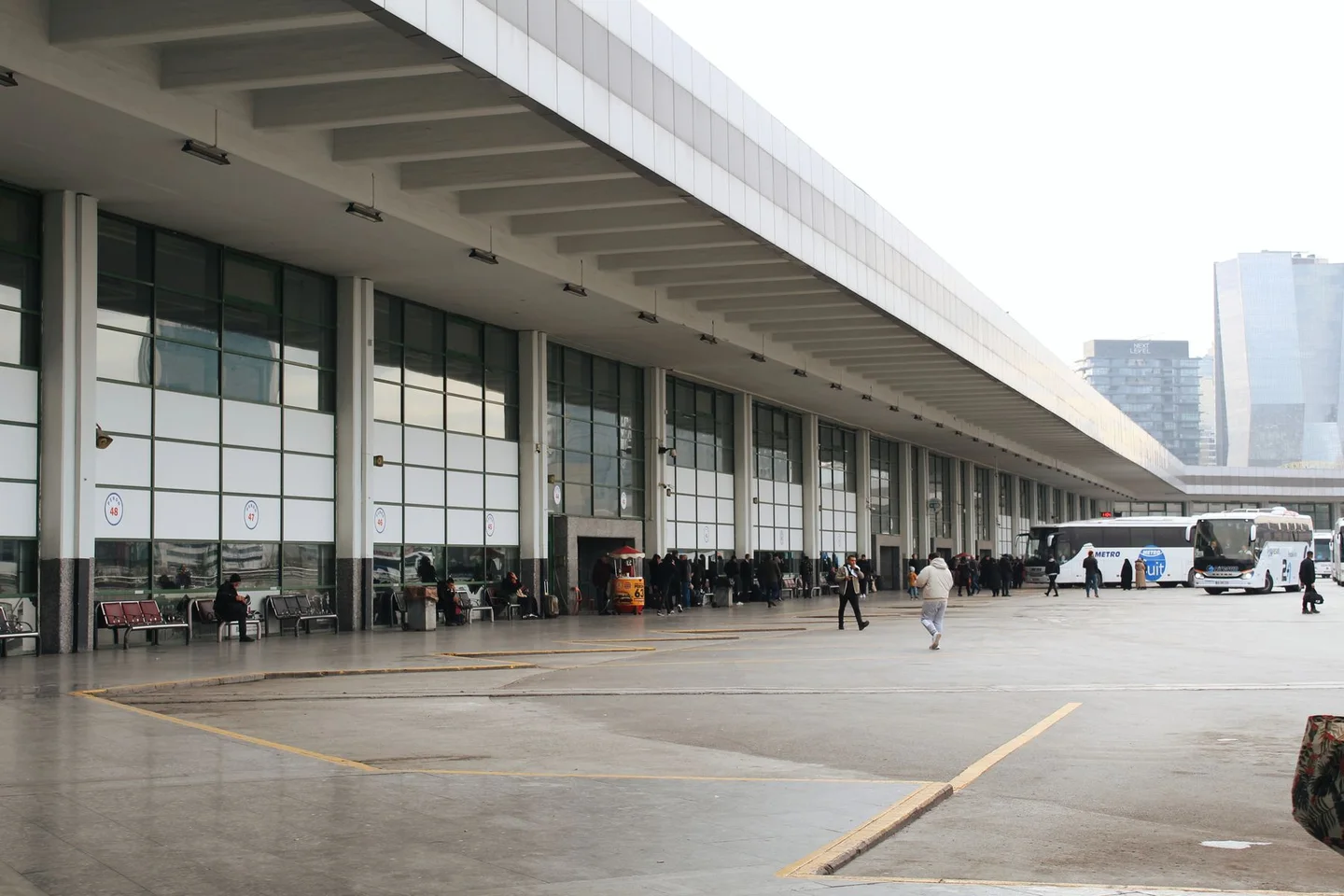
Check the terminal-to-terminal day
Consider a family travelling from home to a town outside the city. The coach ride may look short, but the day also includes reaching the departure terminal, waiting to board, travelling from the arrival terminal into town and repeating those steps in reverse. Write down those transitions before choosing the activity. The total can be much longer than the time spent in the coach seat.
Look at how the family will manage the arrival terminal. If using local transport, identify the next stop and direction before the trip. If arranging a transfer, confirm the pickup place and how delays will be handled. Do not assume that the easiest connection for one adult will be equally straightforward with children and luggage.
Seat selection deserves attention when the booking allows it. Check that the reservation actually places the family as intended and ask the operator about any relevant requirements. Avoid relying on other passengers to exchange seats after boarding. If seats cannot be arranged suitably, consider another departure before paying.
Prepare children for the sequence rather than promising an exact moment of arrival. Explain that there will be a terminal, a ride and another short journey before the main activity. This can reduce confusion when leaving the coach does not mean reaching the destination immediately.
Plan a little recovery time after arrival. Finding a toilet, adjusting clothing or having a permitted snack can make the first visit easier. A timed attraction immediately after an uncertain connection gives the family little room to settle.
Finally, decide what happens if the group is too tired for the optional part of the visit. Keeping the return booking protected while shortening the sightseeing is often simpler than changing the whole transport arrangement. The itinerary should use the bus schedule as a boundary, with a comfortable visit inside it.
Ask about the details that affect your family
Check the operator’s rules for children’s tickets, required documents, seating and baggage for your particular service. Do not assume that a rule remembered from another company or earlier journey still applies. Ask about stroller storage or other equipment before buying if the answer determines whether the trip is workable.
Choose an arrival time at the terminal that leaves room for finding the platform, using facilities and organising the group. The ticket’s departure time is not a suggested time to enter the building. Follow the operator’s check-in and boarding instructions.
Keep the on-board bag separate from luggage that will be stored below. Documents, essential personal items and what you expect to use during the journey should be accessible. Avoid relying on retrieving something from the luggage compartment between stops.
Make the return part of the booking decision
Check the available return options before committing to the outward trip. A late afternoon activity can be incompatible with the last suitable departure. Leave time to reach the terminal again and allow for the pace of the whole family.
Bring a quiet activity that can be used in a seat and follow the operator’s rules on food and other items. Keep the aisle clear and use the available seating equipment as instructed. Consider fellow passengers when choosing sound or screen entertainment.
When leaving the coach, divide tasks clearly: one adult supervises children while another handles luggage if the group allows it. Check the seating area for small belongings. The transition from bus to busy terminal is easier when everyone already knows what they are responsible for.