An accessibility question is most useful when it describes a real part of the visit. “Is it accessible?” may produce a friendly yes while leaving unanswered the detail that determines whether someone can enter comfortably.
Start with the person taking the trip. Ask which information matters to them and whether they want to contact the venue directly. Mobility, sensory and other access needs differ; a general checklist cannot replace that conversation.
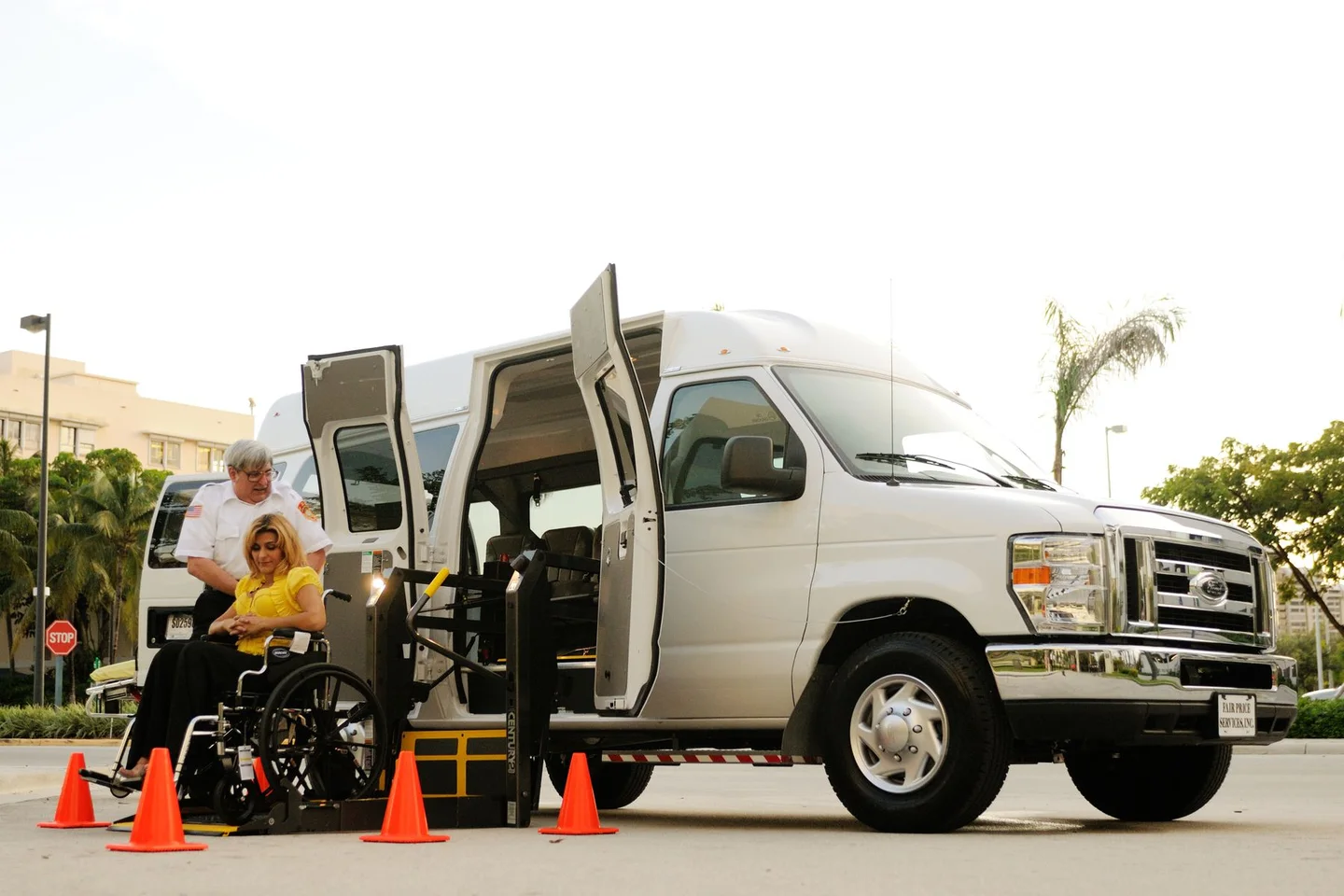
Ask for a continuous route
It helps to describe the visit as a chain rather than a collection of facilities. For example: from the drop-off point to the entrance, from the entrance to the exhibition, from the exhibition to a suitable toilet and then back to transport. One missing connection can matter more than several accessible features elsewhere in the building.
Suppose a venue confirms a ramp but the ramp leads to a courtyard while the main room is reached only by steps. The useful follow-up is not whether there is another ramp somewhere. Ask how a visitor using the relevant equipment reaches that particular room, whether the route is open during your visit and whether staff assistance must be arranged in advance.
For a guided excursion, the same chain extends to the vehicle and every stop. Ask whether the itinerary changes for access needs or whether a participant would wait while others complete part of the visit. That may or may not be acceptable to the person travelling; it should be an informed choice rather than a discovery on the day.
Photographs can help answer a physical question, but they have limits. A wide-angle view may make a doorway look larger, and a picture may not reveal a steep approach. Ask for a measurement when the exact size determines suitability. Keep the request focused so staff understand what needs confirming.
If the answer remains uncertain, contact another venue or change the activity. This is not a judgement about the destination as a whole. It is a decision about whether this particular outing can be organised with enough reliable information. The person with the access requirement should remain involved in that decision throughout.
Confirm the arrangements people must make
When a visit requires staff assistance, ask how it is requested and whether it must be booked. Find out where to report on arrival and which contact to use if the arrangement is not in place. A helpful promise from one conversation is easier to act on when the practical process is clear.
Check whether any companion arrangement, alternative entrance procedure or reserved time applies to the booking. Obtain the details for the specific visit rather than assuming that another venue's policy carries over. Share only the personal information necessary to arrange the service, with the traveller's agreement.
Allow time for the arrival process without making the person concerned responsible for every administrative task. Someone else can keep the confirmation or contact details if that is welcome. Assistance should support the traveller's choices, including their preference to handle arrangements themselves.
Rest and personal facilities
Locate seating, shade and toilets that match the person’s needs. Ask whether facilities are on the same level and whether access requires a key or staff member. The details can affect the timing of an otherwise simple visit.
For people who prefer quieter spaces, ask about busy periods and places to pause away from the main flow. Avoid promising that an early visit will always be quiet; school groups, maintenance or events can change the atmosphere.
Share the answers with the person concerned before booking. They should be able to judge the information rather than discovering that someone else has decided it is “good enough.” Keep contact details and the date of the conversation with the plan.
Build an alternative that still offers something enjoyable if a key facility is unavailable. That might be a different area of the same destination or a separate nearby outing. Flexibility works best when it is prepared as a real option, with its own arrival and access information.