First, stand at the edge
A plaza is easier to understand from its edge than from the middle of a photograph. Pause where you are not blocking a doorway and look at how people cross it. Notice which sides carry traffic, where the benches face and which buildings appear to be open. The square may function as a meeting place, a passage between streets or the waiting area for nearby services, often all at once.
This brief look helps with the next decision. A café across a busy road may be less convenient than one beneath the nearest arcade. A shaded bench may offer a better rest than the most decorative corner. You are choosing how to use the space rather than simply identifying what to photograph.
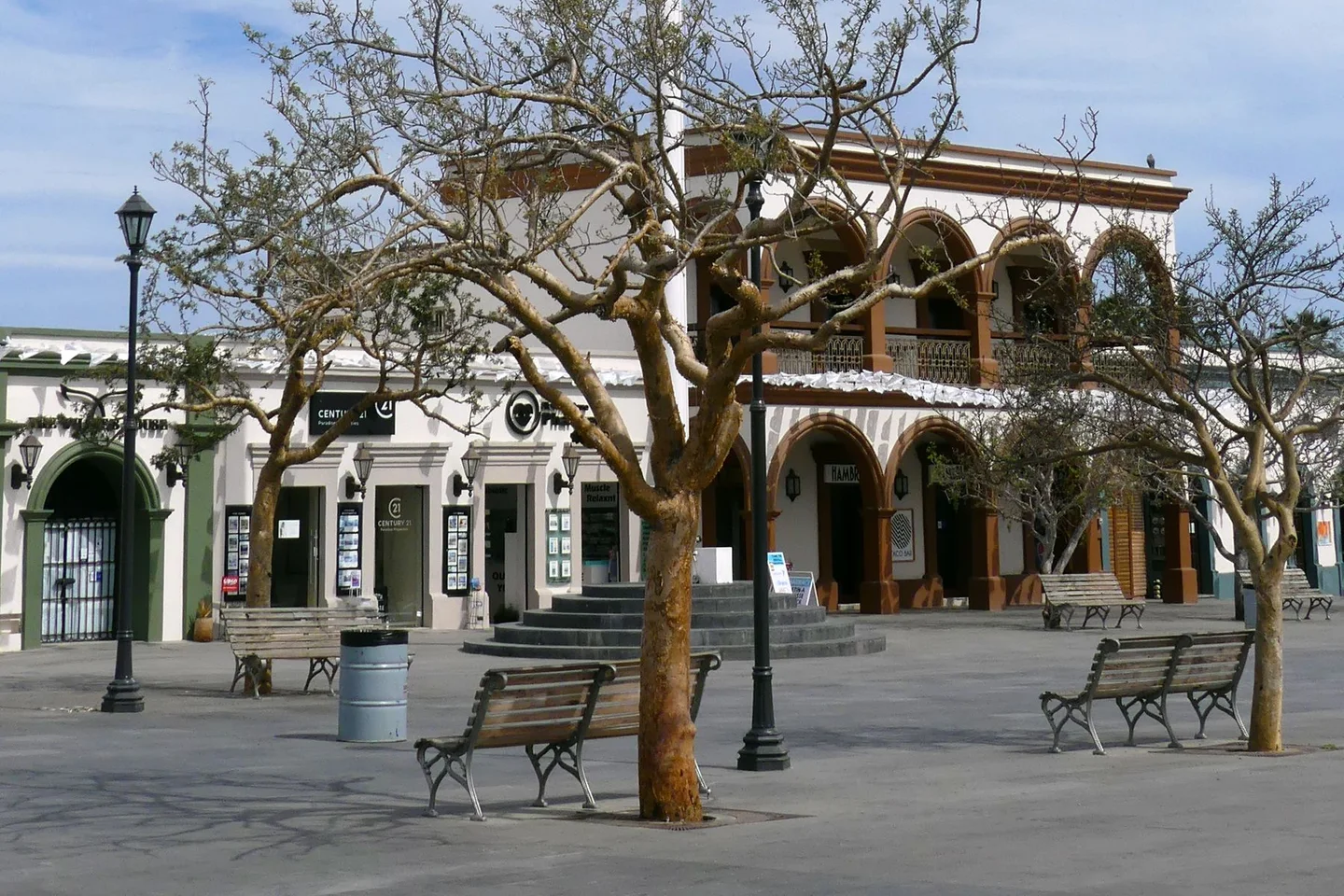
Read the edges before crossing
Walk one side of the plaza and see what connects to it. A church entrance, municipal building, market lane and row of restaurants each lead to a different kind of visit. Do not assume a public-looking doorway admits visitors: signs, opening arrangements and activities inside matter more than the appearance of the facade.
Look for information that names the square or explains a monument. Read it as a starting point, not as the complete history of the town. A monument can emphasize one period while the surrounding businesses reveal how the place works now. If a detail interests you, write down the name to investigate later instead of trying to settle its meaning from appearance alone.
It can help to sketch a very simple square in your notes and mark only the four edges. Add the market direction, a building name and your arrival street. This is not a detailed map; it is a way to distinguish entrances that look similar once you are seated in the middle. If you are meeting someone later, agree on one of those named edges rather than the plaza as a whole.
Temporary uses can change the layout. A stage, queue or maintenance area may block the route you first intended. Follow the current arrangement and leave working space clear. The square remains a useful reference even when its center is unavailable. You can often understand it from the perimeter without crossing every part.
Choose a place to stay a while
Sitting for a few minutes lets you notice patterns that are invisible while crossing. Deliveries arrive, people arrange meetings and the shade changes. Leave space on shared benches and avoid spreading bags across seats. If a performance is taking place, watch where the audience gathers so you do not stand in the route people use to pass through.
When you leave, select the next street deliberately. You might follow the market side for lunch or choose a quieter street for architectural details. Keep the plaza as a recognizable return point. A square does not need a fixed sightseeing duration; its value may be that it helps the rest of the neighborhood make sense.