Separate the building from the performance
A historic theatre can be worth including in a walk even when no performance fits your visit. Its facade, entrance sequence and position in the city may offer plenty to notice from public space. Start by distinguishing three possibilities: viewing the exterior, joining an authorized building visit and attending a performance. Each has different access arrangements.
Use the theatre's own current information if you want to go inside. A box office being open does not necessarily mean the auditorium is available to visit. Similarly, a performance ticket may give access only around the event rather than allowing an afternoon architectural tour. Confirm the specific visit you want instead of relying on a photograph of an empty interior.
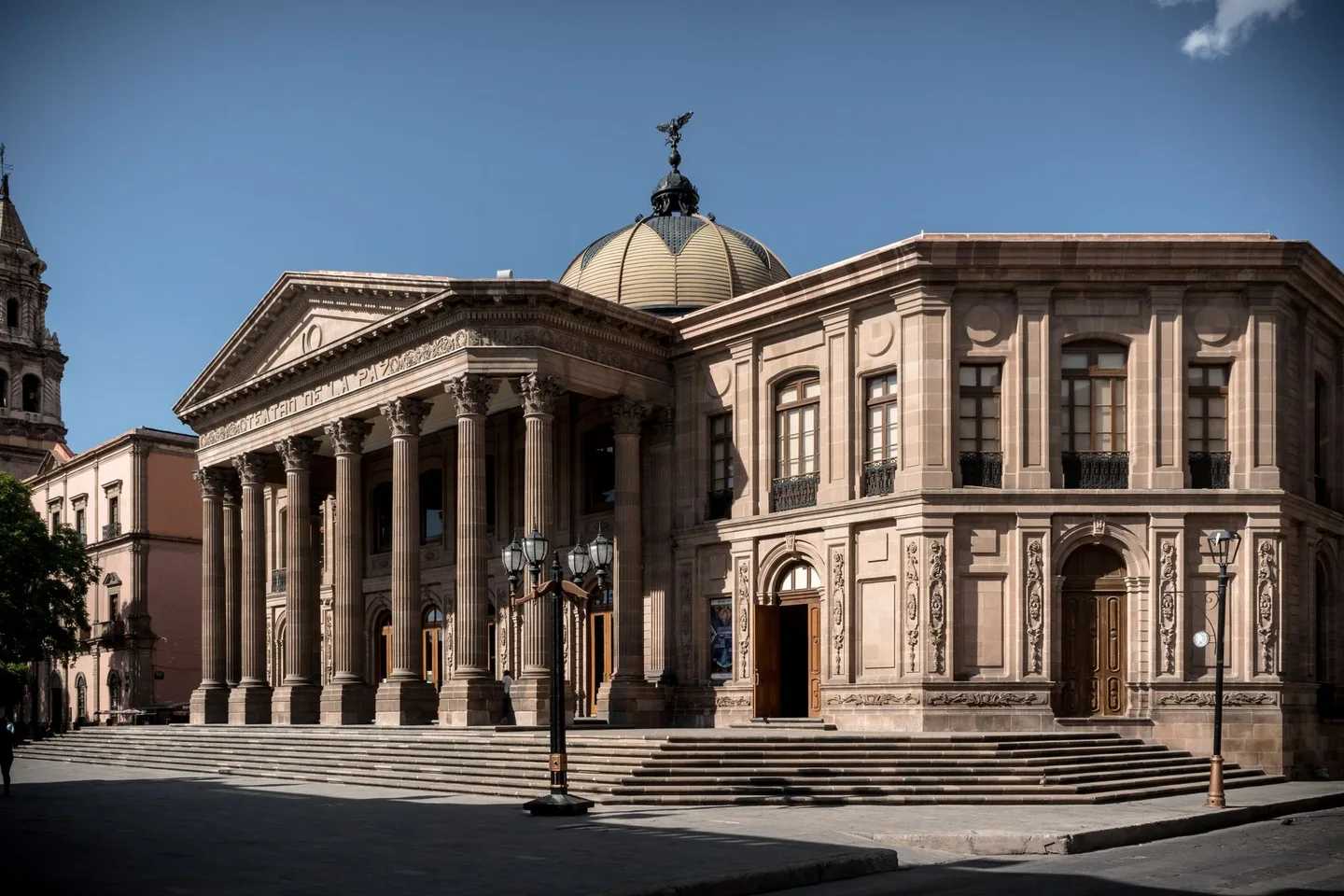
Look at the public face
From a suitable place on the pavement, notice how the building announces its purpose. The entrance may be emphasized by a canopy, steps, columns or a broad opening. Posters and contemporary signs show that the building is still part of a working cultural schedule. Keep space clear for customers and staff, particularly near the box office.
Compare the theatre with the buildings beside it. Does it stand apart or fit into an ordinary row? Is there a square in front that allows people to gather? These relationships help explain the arrival experience without requiring you to know every decorative symbol. Read any official plaque for names and dates rather than guessing a style from ornament alone.
If you photograph the exterior, include some surrounding space as well as a detail. A close image of decoration can be attractive, but the wider view records how the theatre belongs to the street.
Leave the option open
If a performance interests you, check its language, duration and ticket arrangements directly. Do not buy simply to gain a brief look at the auditorium if you do not intend to attend properly. A future visit can be planned around the event itself.
For today's walk, a thoughtful exterior stop may be enough. Pair it with a nearby public square or café and keep the theatre's name for later research. The building does not become irrelevant just because its doors are closed at the moment you pass.