Repeat the place, change the attention
Returning to a neighborhood does not have to mean repeating the same outing. Familiarity removes some of the effort of navigation and allows smaller details to become visible. Start with one question that differs from the first visit: how the streets connect, which buildings have public courtyards or where people pause outside the busiest area.
Keep one familiar anchor, such as a square or café, and change the route around it. This gives you a recognizable starting point without sending you automatically through the same sequence. You can also reverse a short walk; different views and approaches often make an ordinary corner look less familiar.
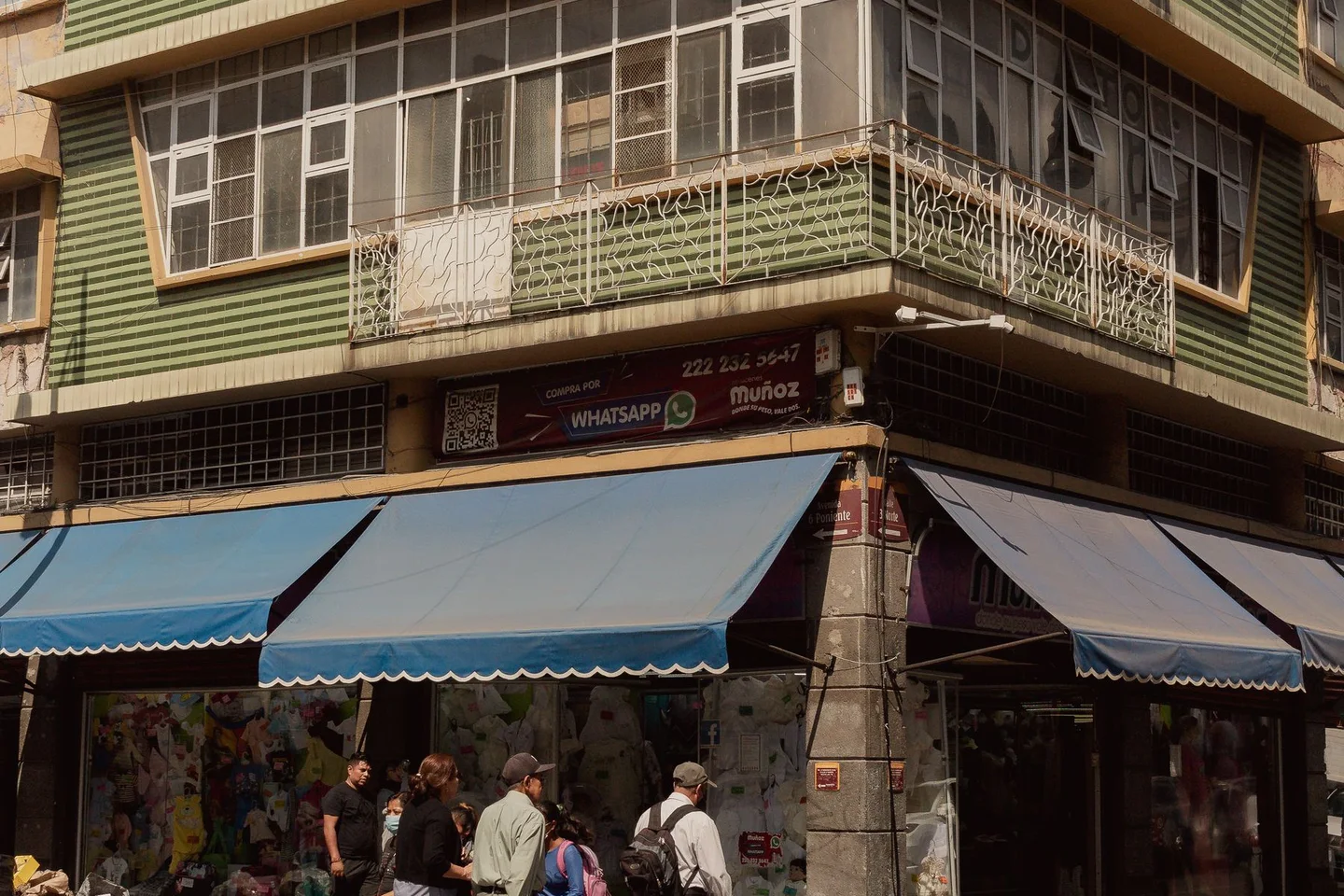
Use what the first visit taught you
Perhaps a museum deserved more time, a shop was closed or the route included an unnecessary crossing. Adjust one of those details instead of trying to improve everything. A return visit benefits from a small correction grounded in experience, not a more complicated schedule.
Check current opening arrangements again where they matter. Familiarity with a place does not guarantee that its hours, exhibitions or entrances remain the same. At the same time, avoid spending the whole visit comparing every detail with a previous photograph. Let the neighborhood continue to be a current place rather than a test of your memory.
If you revisit a business, a simple question about something you noticed before can lead to a more specific conversation. Do not assume staff will recognize you or remember an earlier exchange. Repeated visits create familiarity gradually, and a shop remains a working place regardless of your personal connection to it.
Leave something unresolved
At the end, note what changed in your understanding rather than only what changed physically. You may have found a quieter route, recognized a building from another angle or decided that a place you rushed through deserves its own day. Those are useful results even when nothing dramatic happened.
There is no need to exhaust a neighborhood before moving on. Keeping one unanswered question makes a later return possible. A city can become more interesting through repeated modest visits than through a single attempt to see every part of it.