A library has a different pace
A library can provide an interesting pause in a city day, particularly when the building, local collection or reading room is open to visitors. It is also a working place for people who may be studying or carrying out research. Begin by checking the visitor arrangements rather than treating the interior as another sightseeing hall.
Find out whether casual entry is permitted, whether registration is needed and which areas are public. Some collections can be browsed freely while others require a request or appointment. A library's name appearing on a map does not tell you which kind of access it offers. Consult its own information before making it the main purpose of a journey.
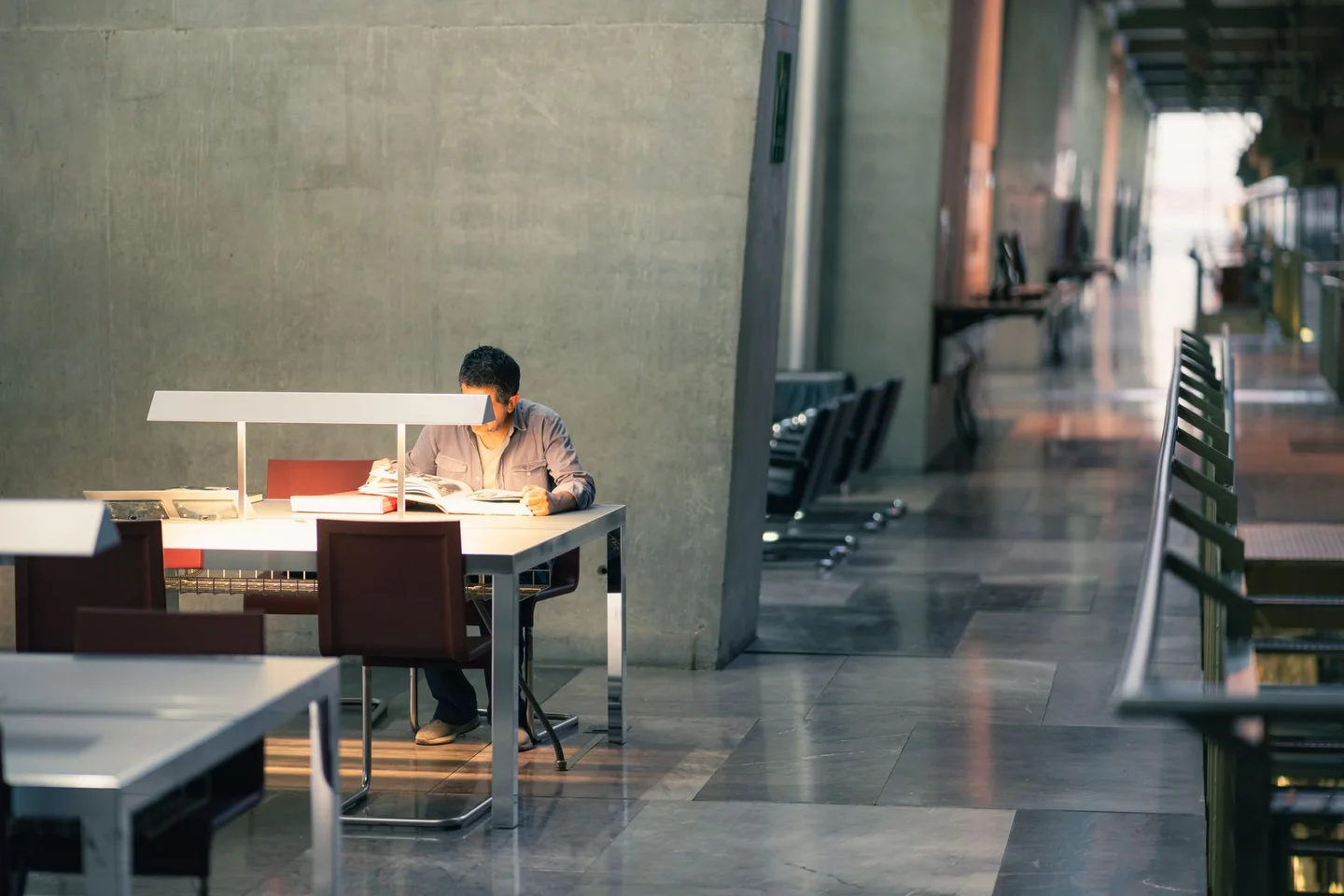
Enter with a manageable intention
You might want to see the reading room, consult a local-history title or spend a little time with a book you brought. Tell staff what you hope to do if the procedure is unclear. A specific request is easier to help with than asking to see everything.
Follow bag, photography and device rules as posted. Keep conversations low and turn off sounds on your phone. If you are permitted to photograph the architecture, frame the space without making readers the subject. People using a library should not have to interrupt their work for a visitor's image.
When handling books, use the supports or procedures provided and avoid forcing a volume open. Do not return consulted material to shelves unless the library asks visitors to do so. Some reading rooms use reshelving systems that help keep the collection in order. Ask where to leave a book when you finish.
Choose a reference you can use
If the library provides a catalogue, search for a narrow subject rather than the whole town. A street name, building or local publication may produce a manageable result. Check whether the item is available for consultation and whether it must be requested from storage. A catalogue record does not always mean the book is waiting on an open shelf.
When you find a useful passage, record the title, author and relevant page before leaving. Follow the library's reproduction rules if you want a copy or photograph. A few complete reference details are more useful later than an isolated quotation with no source. If the language is difficult, note the exact term you want to translate rather than paraphrasing uncertainly.
A short visit may end before the requested material becomes available. Ask whether returning is possible and what preparation would help next time. That answer can turn an unsuccessful search into a clear plan rather than a reason to rush staff.
Let the quiet be useful
If you sit down, choose one thing to read rather than opening several books only for photographs. A few pages can connect with something you noticed on the walk: a street name, building or local writer. Record the full title and author if you want to continue later.
Leave the desk clear and return any visitor materials as instructed. A library stop can make the rest of the day feel less hurried, but its success depends on fitting into the place's purpose. The quiet is shared, not an amenity reserved for travelers.