A temporary layer of the city
Posters reveal a different city from permanent monuments. They announce performances, workshops, neighborhood meetings and services, often for people who already know the area. Looking at them can show what is happening locally, but an old poster is not reliable evidence that an event is still upcoming. Read the full date, year and venue before making plans.
Notice the design as well as the information. Letter shapes, printing methods, colors and the arrangement of words can give a wall its particular character. You do not need to identify a designer to appreciate the composition. Avoid tearing down or removing a poster as a souvenir, even if it appears weathered or partly covered.
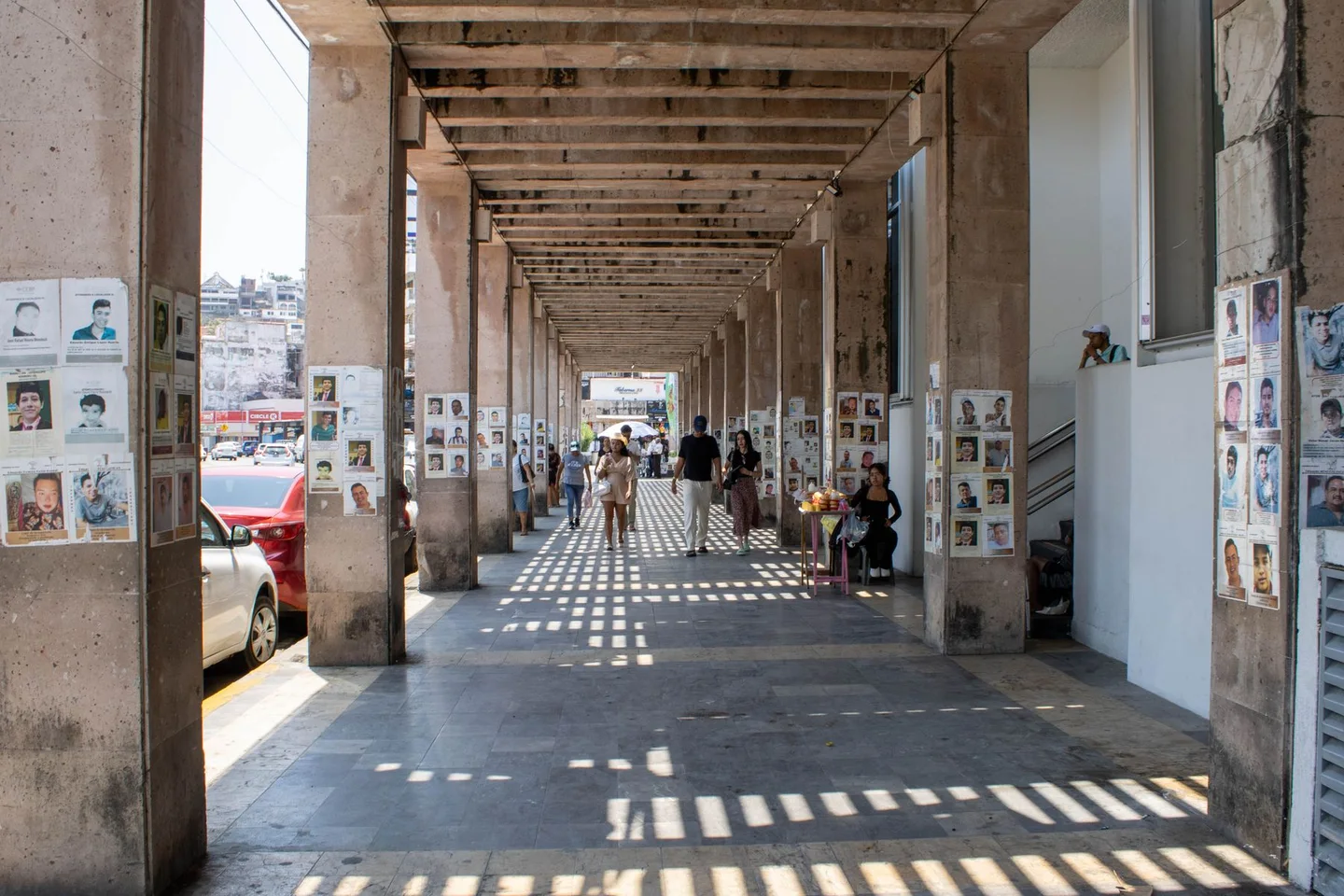
Read what can be verified
If an event interests you, find the organizer's current announcement or contact details. A poster may omit reservation requirements, changes of venue or cancellations. Treat it as a lead rather than a complete booking instruction. Check the location carefully; a familiar place name may refer to a venue in another district.
When photographing, include only what you need to remember. Notices may contain personal telephone numbers or information intended for a local audience. Keep those details private rather than automatically sharing the full image online. A shop window or community board also belongs to a working place, so do not block it while reading every notice.
Layers of paper can be visually interesting, but avoid inventing a story about their age or sequence from weathering alone. Rain, sunlight and the surface beneath them affect how quickly posters change. What you can confidently describe is their present appearance and the information still visible.
Take one useful connection away
You might discover a small venue, a neighborhood workshop or a type of music you had not considered. Save the name and investigate later, when you can read the details properly. There is no need to alter the whole afternoon because something looks appealing on a wall.
A few minutes with local print can make a street feel less anonymous. It shows the city communicating with itself, through temporary invitations that will eventually be replaced by others.