A city rarely belongs to one period
A historic district is not a frozen arrangement of old buildings. Shops change, houses acquire new uses and recent construction sits beside earlier structures. Looking at those relationships can make a walk more interesting than searching only for the oldest facade. You begin to see the city as a place that has kept adapting rather than a collection of isolated monuments.
Choose a block where two buildings differ visibly. They do not need to be famous. One may have a recessed entrance while the other meets the pavement directly; one may use many small openings while the other has a broad glass frontage. Describe these differences first. Deciding which is older, more authentic or more successful can wait until you know more.
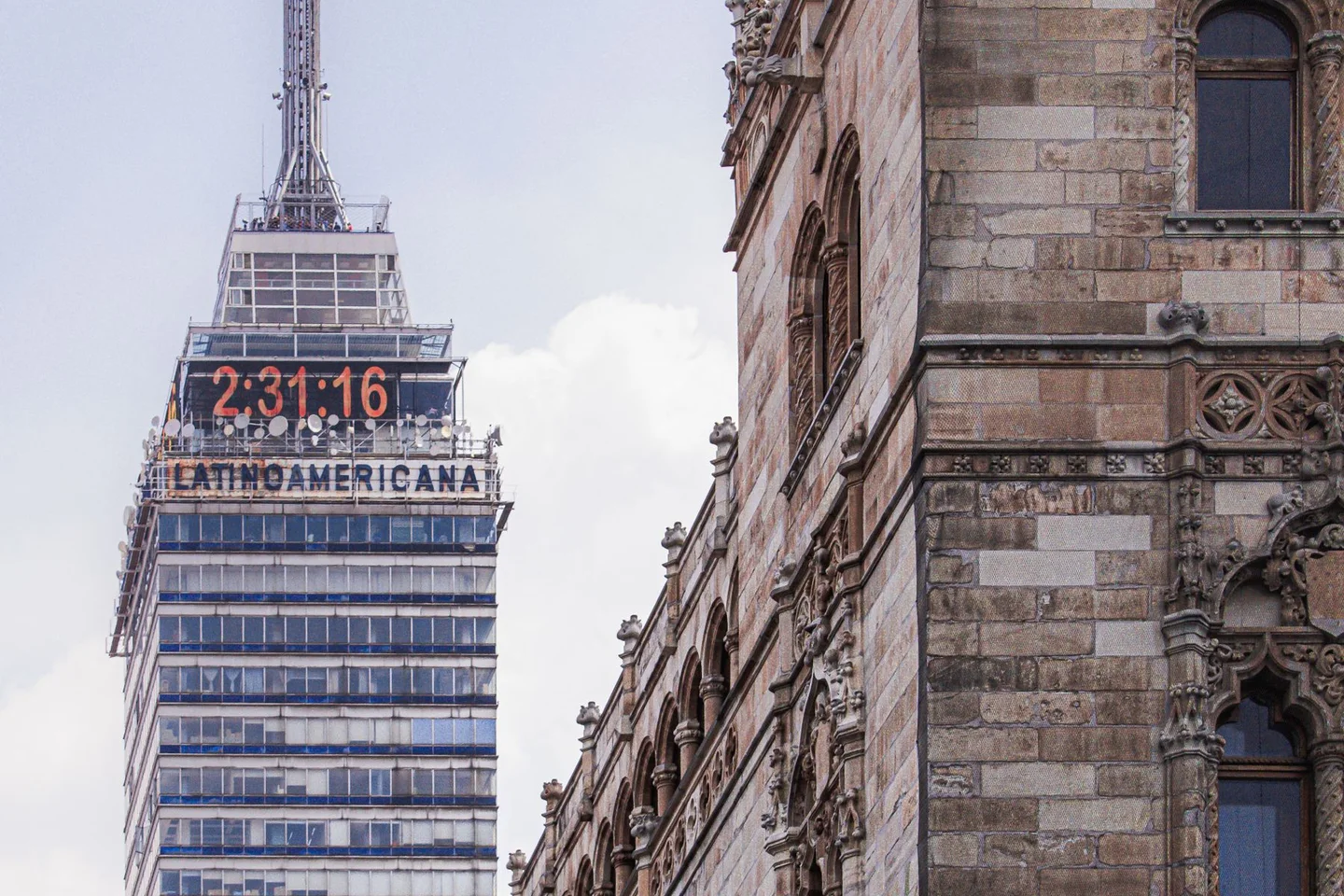
Look at the joins
The meeting between buildings often reveals the most useful detail. Notice a change in roof height, a narrow gap, a patched wall or a line where one surface ends and another begins. These are visible relationships, but they are not a complete construction history. Repairs and reused materials can make a recent section appear older, while restoration can make an old surface look new.
Ground floors deserve special attention because they often change with commercial use. A larger shop opening may sit below smaller upper windows. A sign may cover decorative work. A doorway may no longer be used. Rather than declaring what the building used to be, ask what evidence would support that idea: an old photograph, a dated plan or an official description.
Look up as well as along the street. Equipment, shade structures and later additions can alter a roofline without changing the whole building. Some additions are deliberately visible; others try to blend in. You can notice the effect on the street without claiming to know the design intention.
Compare how the buildings meet daily life
An old building may provide deep shade or a sheltered arcade, while a newer one may offer a wider entrance or more transparent ground floor. The reverse can also be true. Avoid assuming that age determines whether a building works comfortably for people. Watch how entrances, steps and edges are actually used.
Consider the space between the building and the road. Is there room to pause without blocking the pavement? Do doors open directly into the walking route? Where do deliveries and queues gather? These practical details connect architecture with the ordinary visit you are making. They also explain why an attractive photograph does not tell the whole story of a street.
If a building is open to visitors, compare the inside with the impression from outside. A modest frontage may conceal a large courtyard; a dramatic facade may lead to a compact interior. Enter only through the public arrangement. The possibility of discovering something interesting does not justify following a private corridor.
A comparison that stays within the evidence
Imagine a building with a stone-framed upper window and a wide modern shop opening below. You can confidently record the contrast in materials and proportions. You cannot establish from that contrast alone whether the opening replaced a doorway, combined two windows or was part of an earlier commercial use. Separating those levels of certainty makes your observation more useful, not less interesting.
When you find an older image, compare fixed features first: the position of corners, the number of bays and the relationship to neighboring buildings. Signs and paint can change quickly, and a similar facade elsewhere can lead to a mistaken identification. If the match remains uncertain, keep both possibilities in your notes.
This careful approach also leaves room to appreciate recent work on its own terms. A new entrance may solve a current need even if it changes the composition. Understanding the change is a different task from deciding whether you personally prefer the earlier appearance.
Research one change afterwards
Choose a single question from the walk to investigate later. It might concern a building's former use or the date of an addition. Search for a named building or address in official heritage information, museum material or a local archive. A specific question is easier to pursue than a broad attempt to learn the entire district's history in one evening.
When sources disagree, keep the uncertainty visible in your notes. An attractive anecdote repeated by several travel pages is not necessarily independent evidence. A documented photograph with a date may answer a narrow question more reliably than a confident summary without a source.
The walk can end without ranking old against new. You may simply understand how different periods share one block and how people continue to use them. That is a more durable memory than labeling every older surface picturesque and every recent one an interruption.