Give lunch a place in the day
A market lunch works best when it is treated as a visit, rather than a gap between two attractions. Finding the food area, understanding what a stall serves and waiting for a seat all take attention. If you arrive already late for a museum reservation, even an appealing meal can become a source of stress. Put lunch between activities with some room on either side.
Before choosing a stall, walk through the relevant area once without trying to inspect every counter. Notice where people order, where they pay and which seats belong to which business. In some markets several stalls appear to share one open room, but the tables may still be assigned. Ask before settling into an empty chair with food bought elsewhere.
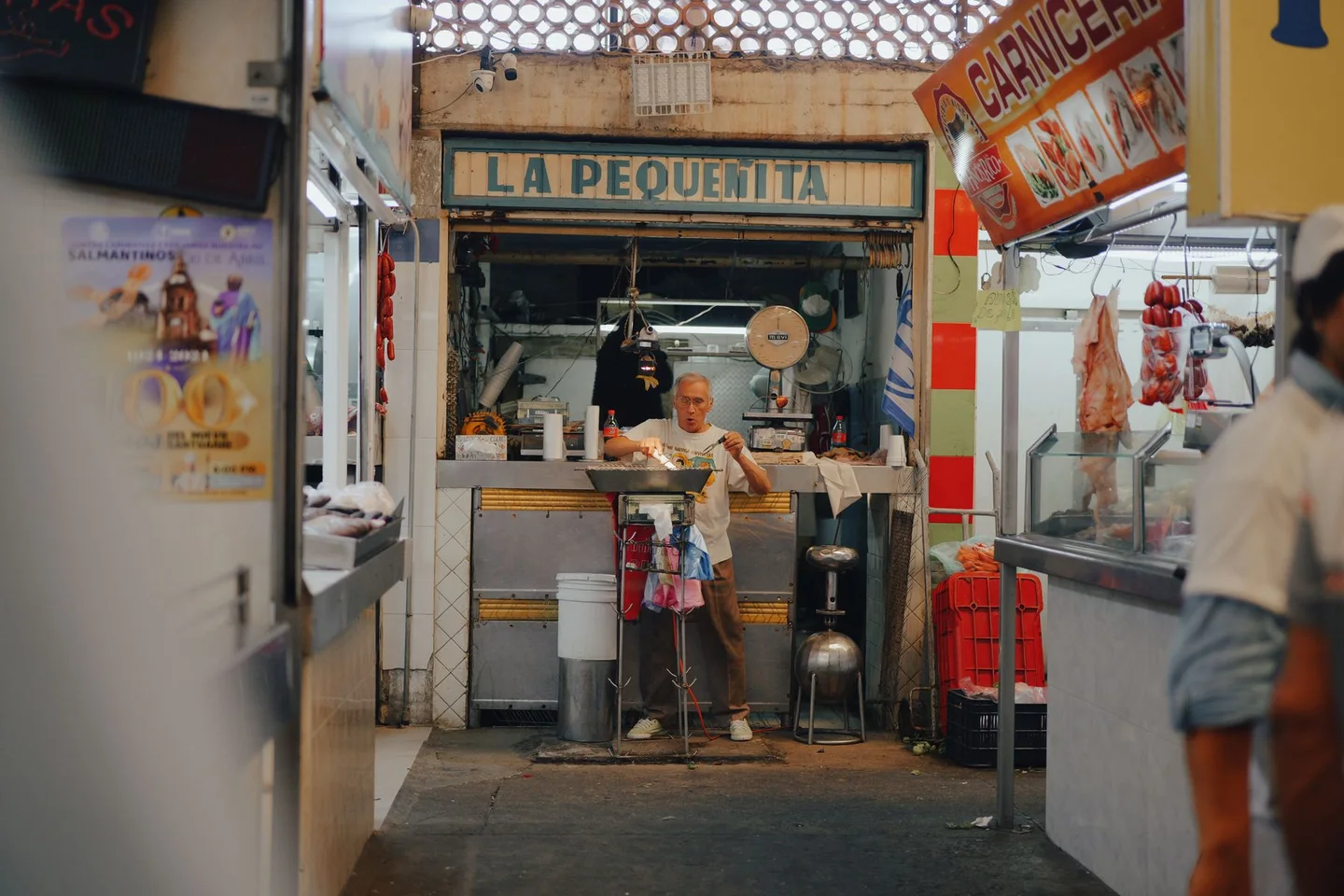
Understand the meal being offered
A short menu can conceal several decisions. Ask what comes with the main dish, whether the price is for one item or a plate, and whether a drink is separate. Pointing at another customer's meal can help identify a dish, but let the seller explain it rather than assuming every visible accompaniment is included. A displayed portion may also differ from the one you intend to order.
If an ingredient matters to you, ask about it before the food is prepared. Use the name of the ingredient rather than a broad description such as light or healthy. Sauces, broths and garnishes can change what is in a dish even when its main component looks straightforward. If a dietary requirement cannot be explained or confirmed, choose something else instead of relying on a guess.
Look for signs that food is being handled with care, while recognizing that a quick glance cannot establish everything about a kitchen. Food made to order and served promptly may be easier to assess than a dish you cannot identify sitting uncovered. Avoid turning a line of customers into a guarantee of food safety; popularity and handling practices are separate questions.
Order at the pace of the stall
When you reach the front, have your main choice ready and ask the questions that affect the order. If you still need to compare options, step aside without blocking the counter. Keep the conversation manageable when the cook is attending several pans or serving other customers. You can often ask more about the dish once the immediate rush has passed.
Confirm how payment works. Some stalls take payment when the order is placed, others afterwards. Ask which methods are accepted before assuming that a card or large banknote will be convenient. Keep the transaction separate from photography: buying lunch does not automatically give permission to photograph the cook at close range.
Order a manageable amount first. If you are sharing, explain that and ask for whatever extra plates or utensils are appropriate rather than taking them from another table. A market meal does not need to include a tasting from every counter to feel complete. One dish eaten while it is fresh can tell you more than several that cool while you continue shopping.
Leave with more than a food photograph
Pay attention to one element you would like to remember: the texture of a tortilla, the contrast between a broth and its garnish, or the ingredient that gives a sauce its character. If the seller has time, ask the name of that element. Write it down with the stall's name or a clear location so the memory remains useful later.
Once finished, check where dishes and waste should go. Do not assume the table-clearing arrangement is the same as a restaurant's. Leave the seat available if others are waiting, especially when the eating area is small. A longer conversation or a look around the produce section can continue after you have cleared the table.
For the next stop, choose something that suits a slower transition: a nearby plaza or a short walk is often easier than another timed commitment. The market has already been part of the outing. You do not need to make up for the time spent eating by rushing through the afternoon.