Choose the pause you need
Not every café stop serves the same purpose. You may need a seat after a museum, a quiet place to compare the afternoon's options or simply a drink before continuing. Decide which matters most before following an attractive doorway. A beautiful standing counter will not provide the rest you wanted, and a busy terrace may not suit a conversation that needs concentration.
Look at where the café sits in the route. Crossing several blocks in the wrong direction for an unverified recommendation can turn a break into another task. If the day already involves much walking, a suitable place near your next stop may be the better choice. Check the menu and ordering arrangement before occupying a table.
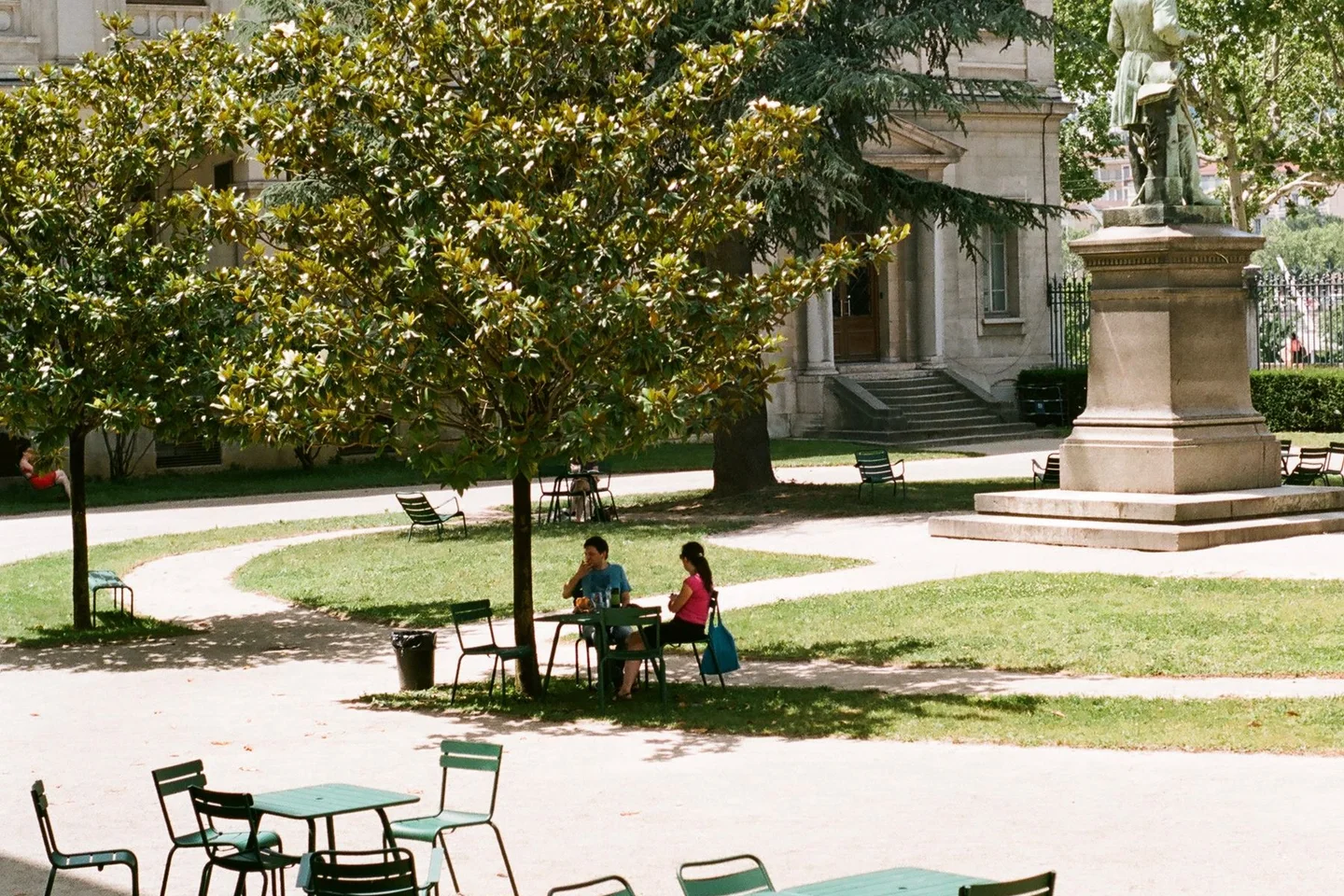
Make the table work for the visit
Choose a seat without blocking a narrow passage or taking a large table unnecessarily. In a small café, bags belong where they do not create an obstacle. If you need a socket or plan to use a laptop, ask rather than assuming every table is intended for a long working session. A short travel pause does not require turning the space into an office.
Order something that fits the time you actually have. Food prepared to order may need longer than a drink. Ask if timing matters, and avoid making a rushed order that leaves you watching the counter instead of resting. You can also decide to stay longer and remove an optional stop from the route.
Use the break to resolve one practical question: where you will finish the walk, whether the next museum is open or which street leads back. Once that is settled, put the map away for a while. Repeated planning can consume the very pause that was meant to restore your attention.
Leave before the pause becomes drift
Before paying, check that you have your belongings and know the next direction. There is no required length for a good café break. Its usefulness is measured by whether you leave more comfortable and less hurried, not by how many photographs or reviews you collected.