A picturesque street is still somebody's route
A narrow street with colorful walls can invite a slow walk and a photograph at every turn. It may also be the way residents carry shopping, reach work or bring supplies home. Begin by noticing that ordinary movement. Leave doors, steps and narrow passages available, and avoid spreading a group across the street while deciding where to go.
Stay within public space. An open gate may reveal a courtyard, but visibility is not an invitation to enter. The same applies to a doorway that looks like a shop but has no clear visitor arrangement. Ask from outside where appropriate, and accept a private boundary without trying to photograph farther inside.
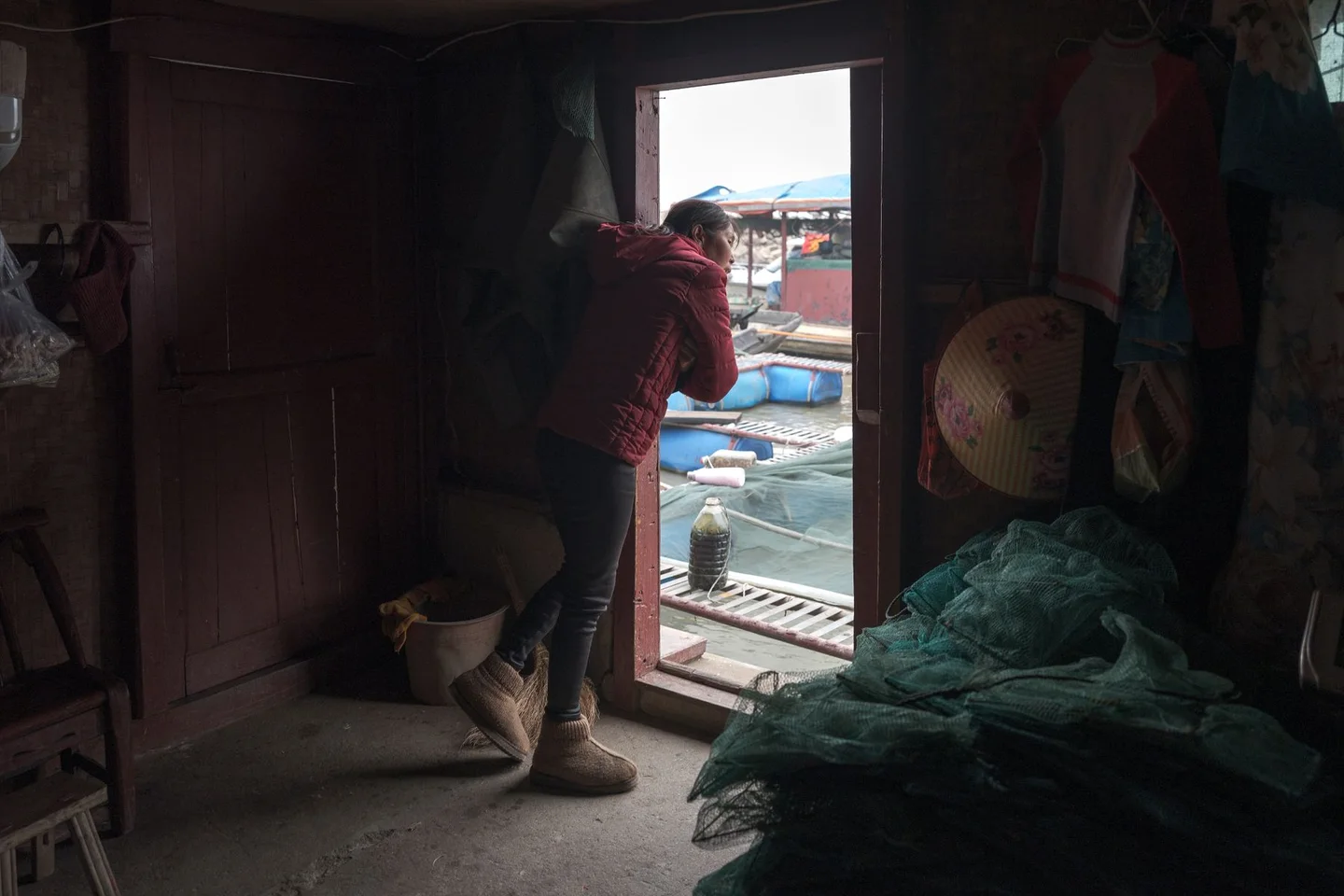
Observe without inventing a story
You can notice materials, plants, signs and how buildings meet the ground without imagining who lives there or how they spend their days. Avoid turning laundry, tools or household objects into evidence of a generalized way of life. A brief walk offers a partial view, not permission to explain residents through their possessions.
If someone speaks with you, let the conversation remain an encounter between people rather than a search for a travel anecdote. Ask ordinary questions about public directions or a business when relevant. Personal questions may not be welcome, and a friendly response does not mean every subject is available.
Children and people at home should not become spontaneous subjects because the setting looks attractive. Keep photographs focused on the street or architecture where appropriate, and ask before close portraits. If someone indicates discomfort, put the camera away and continue respectfully.
Choose where to pause
Look for a plaza, public bench or business that welcomes customers rather than using a residential threshold as a rest stop. A shaded doorstep can look convenient while still being part of someone's entrance. Keep food, packaging and bags out of the way, and take waste with you.
When a vehicle or delivery needs to pass, move promptly to a safe position. Some streets have little separation between pedestrian and vehicle space. Do not insist on maintaining a photograph's composition while someone is trying to complete a routine task. The street's usefulness comes before the visitor's image.
Let ordinary life remain ordinary
Not every interesting street needs to be promoted as a hidden attraction. If you share photographs or directions, avoid exposing private details or suggesting that visitors should enter homes and courtyards. Describe the public route accurately and keep claims about the people modest.
The visit can still be memorable. A change in paving, a carefully kept plant or the relation between houses and hillside may remain with you. Appreciating those details while leaving the residents' routines intact is a better outcome than collecting a dramatic story from a place that was simply carrying on with its day.