A small community museum may occupy only a few rooms, but its value is not measured by how long it takes to cross them. An everyday tool, a photograph or a locally chosen object can open a question about the place that a larger collection would not answer in the same way.
Confirm the current visiting arrangement before making it the centre of a trip. Ask whether the museum opens regularly, requires an appointment or depends on a particular person being available. A small institution may not operate like a large city museum. Clear communication respects both your travel time and the people who make the visit possible.
On arrival, look for an introduction that explains who organised the display and what it aims to preserve or discuss. Do not assume that every community museum follows the same model or presents the same kind of material. Let this museum tell you what it is trying to do.
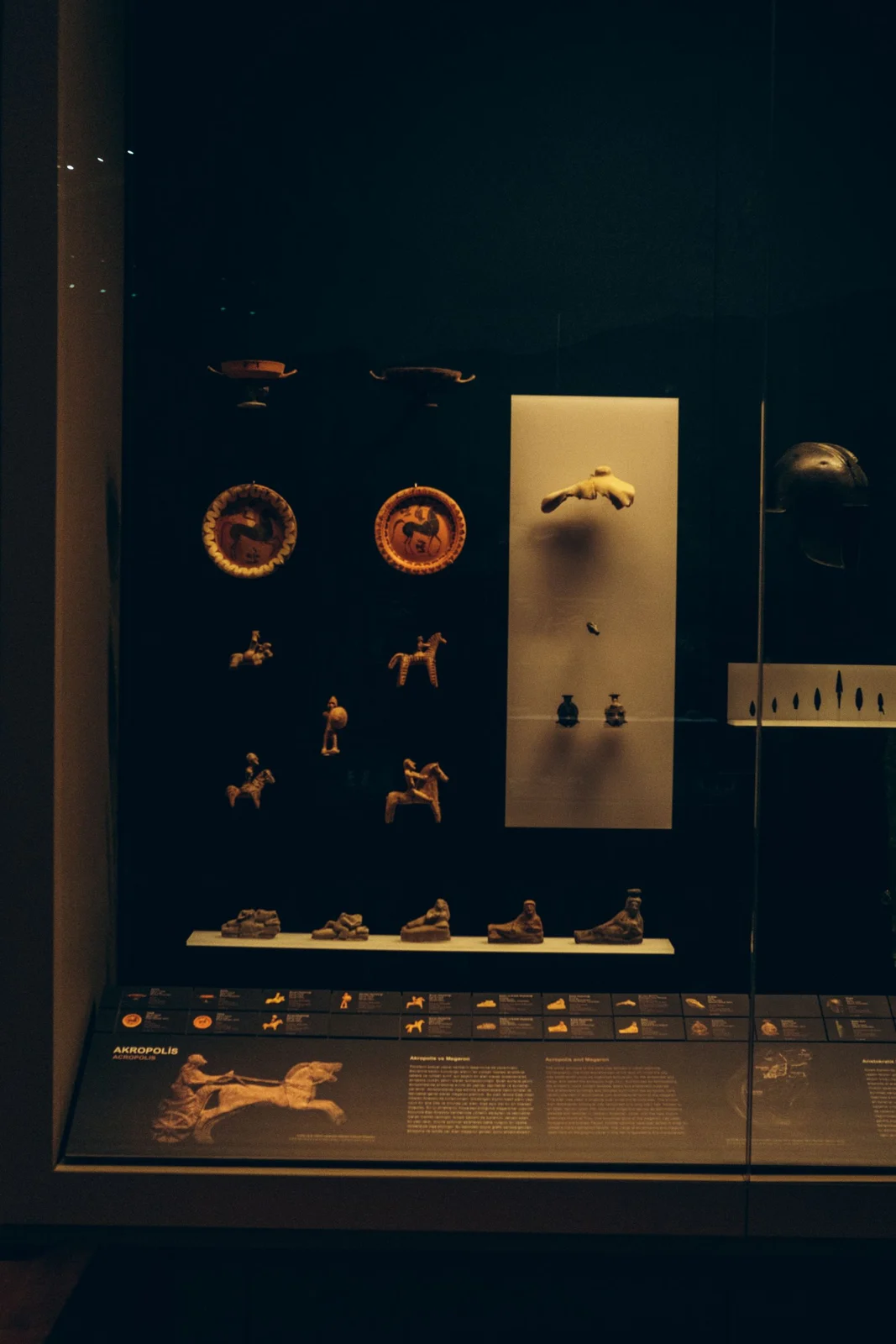
Spend time with one object
Choose an object whose purpose is not immediately obvious. Read its label, then look again. What does the text explain, and what remains uncertain? Notice the relationship between the object and nearby photographs or documents. A display often makes more sense as a group than as a series of separate things to identify.
If someone is available to answer questions, begin with what you actually saw. Ask how the object was used, why it was selected for the exhibition or what connects it to the town. Avoid expecting a volunteer or attendant to give an unlimited private tour without checking whether that is part of the visit.
Keep the explanation attached to its source. A personal recollection, an exhibition label and a historical document are different kinds of evidence. You can value all three without merging them into one certain account. If a detail matters to later research, note where it came from and ask whether there is a publication or other reference you may consult.
Connect the display to the walk outside
Look for one feature you can recognise in the town after leaving. It might be a public building, a craft still practised or the position of a street in an old photograph. Choose a connection that is publicly accessible; the exhibition does not give permission to enter private property mentioned in its story.
This creates a useful sequence for a short excursion. Visit the museum first, then return to a street or square with a question in mind. Something previously ordinary may become easier to understand. Alternatively, if you begin with the town walk, the museum can help explain a feature you have already noticed.
Ask about photography before taking images, including whether documents or close details have different restrictions. A few notes may serve you better than photographing every case. Do not touch an object simply because the display is informal or lacks a large barrier.
Leave room for a final conversation or a second look at the object that interested you most. If the museum offers publications, check whether one would help you follow the subject at home. You need not buy something to justify the visit, but recording the museum's correct name and contact keeps the experience connected to the people and place that created it. A small collection can stay with you precisely because you gave a few things sustained attention.