Separate the design from the material claim
Jewelry can be appealing before you know exactly what it is made from. That first response is useful, but keep it separate from claims about silver content, stones or origin. Ask the seller to describe the materials of the actual piece, including clasps, settings and any decorative additions. A silver-colored appearance is not enough to establish composition.
Look for any marks and ask what they mean, without treating a stamp alone as a complete guarantee. For a purchase whose value depends heavily on material content, clear documentation and a reliable seller matter more than a quick visual test. Do not scratch, bend or apply chemicals to an item in an attempt to authenticate it yourself.
Ask questions that affect wearing it
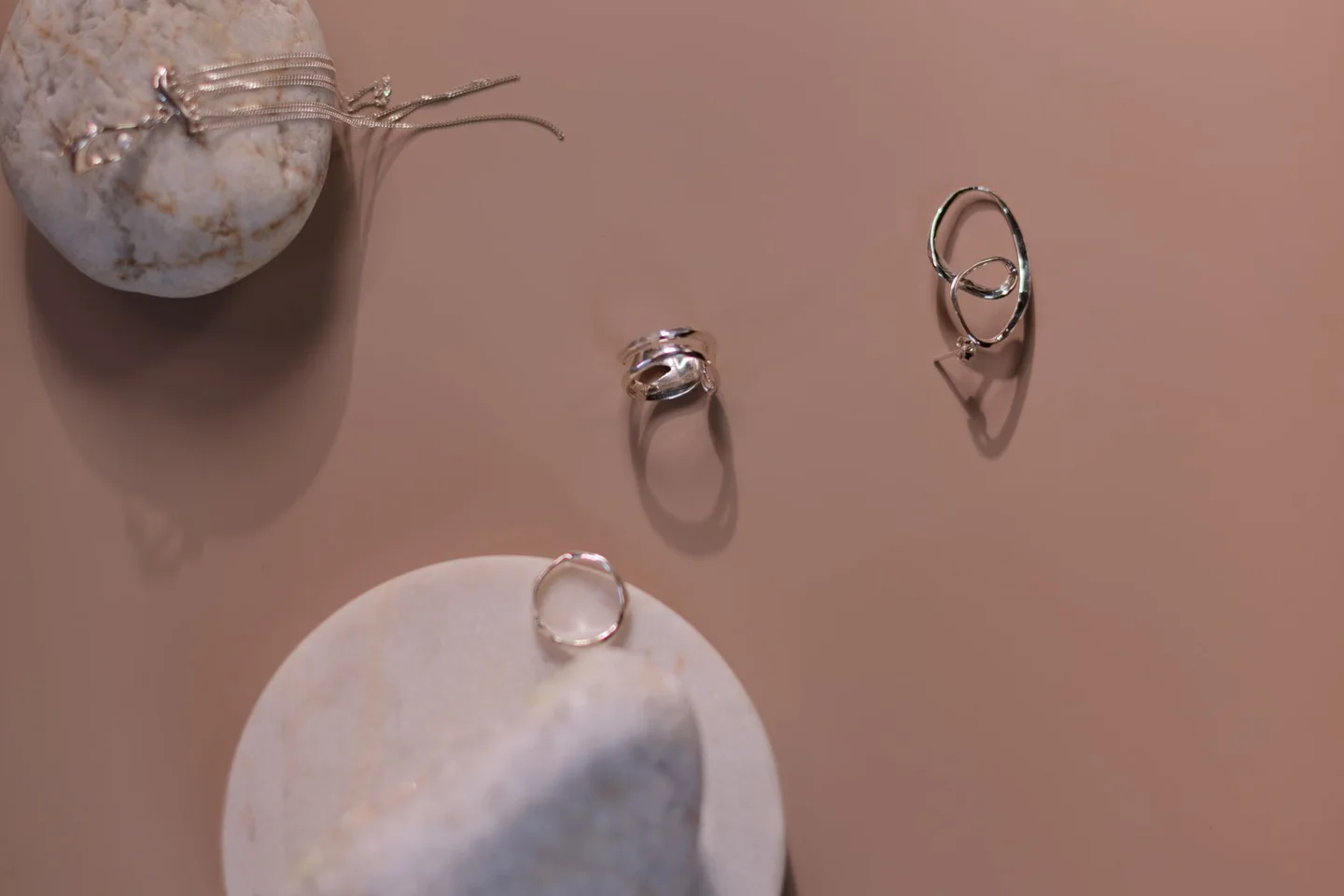
Try the piece only with permission. For a ring, check how it feels when your hand moves rather than judging solely by appearance. For earrings, consider the fastening and weight. A necklace should be assessed with its clasp and chain, not only the pendant. Small functional details can determine whether the jewelry is actually worn after the trip.
If materials affect your comfort or you have known sensitivities, ask about the complete composition. Avoid assuming that a broad label such as silver answers every question about all components. If the seller cannot provide the information you need, choose another piece rather than relying on a promise that it is suitable for everyone.
Ask whether sizing, adjustment or repairs are available and who performs them. If work will be completed later, establish the exact item, cost and collection arrangement in writing. A verbal estimate made during a busy sale can be difficult to reconstruct once you have left town.
Understand the stone as well
When a piece includes a stone, ask how it is described on the receipt. Natural, synthetic and imitation are different descriptions, and color alone does not settle the distinction. You do not need to become a gem specialist to ask for clear wording. If the stone's identity is central to an expensive purchase, seek appropriate independent expertise rather than relying on the setting's appearance.
Ask for care guidance specific to the whole piece. A cleaning method suitable for one metal may not suit every stone or surface treatment. Keep instructions with the receipt instead of applying a general jewelry-cleaning trick as soon as you return home.
Make the decision away from pressure
Confirm the total price, currency and any adjustment costs before paying. Compare pieces on their actual materials and workmanship rather than on a claimed discount alone. If you need to think, step away politely. A purchase does not become more suitable because the conversation has already lasted a long time.
Keep the seller's details, a description of the item and the receipt together. The most satisfying souvenir jewelry is both something you enjoy wearing and something you can describe accurately, without repeating uncertain claims as part of its story.