Start indoors to understand what is outside
A regional museum can give a town walk a useful foundation. Objects, maps and local photographs may explain trades, landscapes or changes that are difficult to read from the streets alone. The visit need not become a complete survey of regional history. Choose one thread that connects with what you expect to see outside.
Before going, read the museum's own description and current visitor information. The word regional covers different kinds of collections. One museum may emphasize archaeology, another local social history and another a mixture shaped by the building itself. Knowing the focus helps you arrive with an appropriate expectation rather than judging the collection against a different kind of institution.
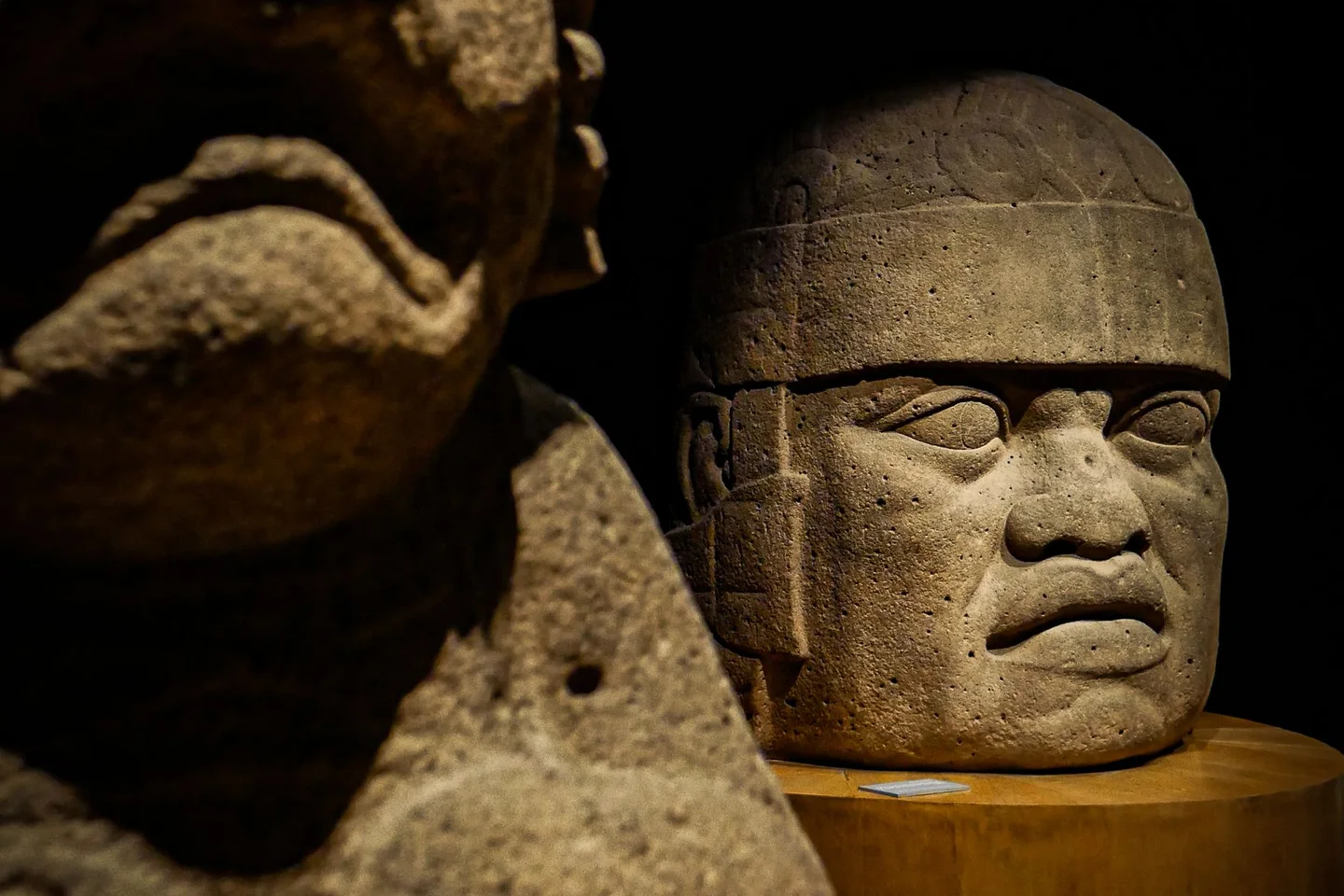
Find one connection to the town
Look for a map, a photograph of a recognizable place or an object connected with a local activity. Notice the date and location attached to it. An item from the wider region does not automatically describe the town immediately outside the door, and a historical photograph may show a place that has changed substantially.
If the exhibition discusses a trade or material, look for the practical details: tools, stages of work and how an object was used. These can help you understand later conversations in a workshop or market. Avoid assuming that every current craft practice is unchanged from the period represented. Living traditions can adapt while retaining important knowledge.
A good question for staff, when they are available, is which nearby public place relates to the part of the collection that interests you. That is more focused than asking for everything to do in town. They may suggest a site, but confirm its current access separately before setting out.
Read the building as another layer
The museum may occupy a historic house, civic building or purpose-built space. Look for information distinguishing the building's history from the collection's subject. A room used for an exhibition today may have had a different function, but appearance alone does not identify it. Follow the provided account rather than inventing a domestic story for every doorway.
Notice how the exhibition works within the rooms. Small spaces can encourage close looking but may make circulation tight. Step aside after reading a panel, and avoid gathering your group in a doorway. Photography rules can differ between the building and the objects, so check before assuming an open courtyard permits all kinds of recording.
Take a question into the street
After the museum, choose a short route that lets you test one connection. Perhaps you can locate a square shown in a photograph or notice a material used in a building. The point is not to verify the whole exhibition in one afternoon. It is to let the information change what you notice.
Keep the museum's wording separate from your own inference. Seeing a similar tool in a shop does not prove the exact history described in a display applies there. Ask rather than announce the connection. You may learn that the resemblance has a different explanation.
If you leave with more questions, record two or three while they are fresh. A regional museum can make a modest town visit richer precisely because it reveals how much remains to understand beyond the most photographed square.