A small format can hold a specific memory
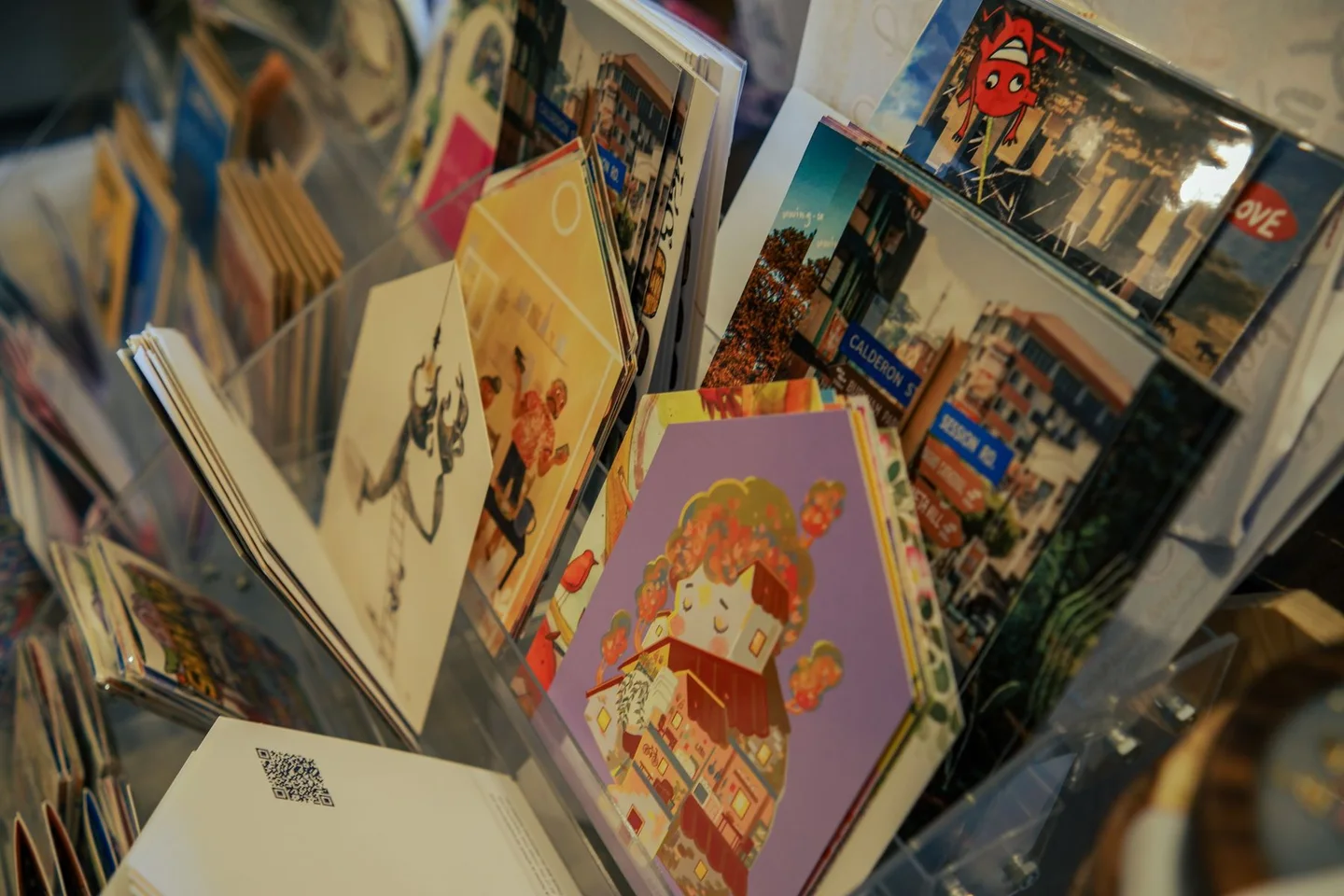
Paper souvenirs are easy to overlook beside larger craft objects, yet a postcard or print can preserve a particular view, illustration or local voice. Look for something that connects with the visit you actually made rather than choosing only the most recognizable landmark. A drawing of an ordinary street may mean more if you spent time there.
Read the back or accompanying information. Identify the artist, photographer or publisher when credited, and distinguish an original print from a reproduction if that affects the price or your interest. Both can be enjoyable purchases, but they are not the same description. Ask how the item was produced rather than assuming that a textured paper means it was printed by hand.
Choose with the destination in mind
Will you send the card, frame it or keep it in a notebook? The answer changes what matters. A card for posting needs enough space for an address and message. A print for framing may need measurements, while a notebook souvenir should fit without being folded across its main image. Check the actual dimensions instead of estimating from a display.
If you plan to mail something, confirm current postal arrangements through the relevant service rather than relying on an old travel account. A shop selling postcards may not sell postage or provide mailing. Allow the task its own time, and avoid assuming that buying a card automatically completes the process of sending it.
For a print, inspect the surface and corners before purchase. Small marks can be difficult to see through a sleeve. Ask before removing protective packaging, and support the paper rather than holding it by one corner. Keep food and drinks away while you compare items.
Protect the paper during the day
Use a firm backing or suitable envelope if available. A flexible shopping bag can bend a card even when it is light. Keep paper separate from bottles, damp clothing and oily food packaging. Large prints need a carrying plan; do not roll or fold them unless the seller confirms that is appropriate for the paper and printing method.
If you buy several pieces, keep their credits and titles together. A photograph of the display label, with permission, may help you remember which artist made which image. Do not assume you may reproduce the artwork on your own site simply because you bought a physical copy.
Add a note while the place is fresh
Write a date, location or brief observation on a separate note if you want to preserve the connection without marking the artwork. The detail might be a street you walked or the reason the image caught your attention.
A paper souvenir becomes less generic when it has that connection. It does not need to be expensive or rare. It needs to bring back something more precise than the fact that you were somewhere away from home.