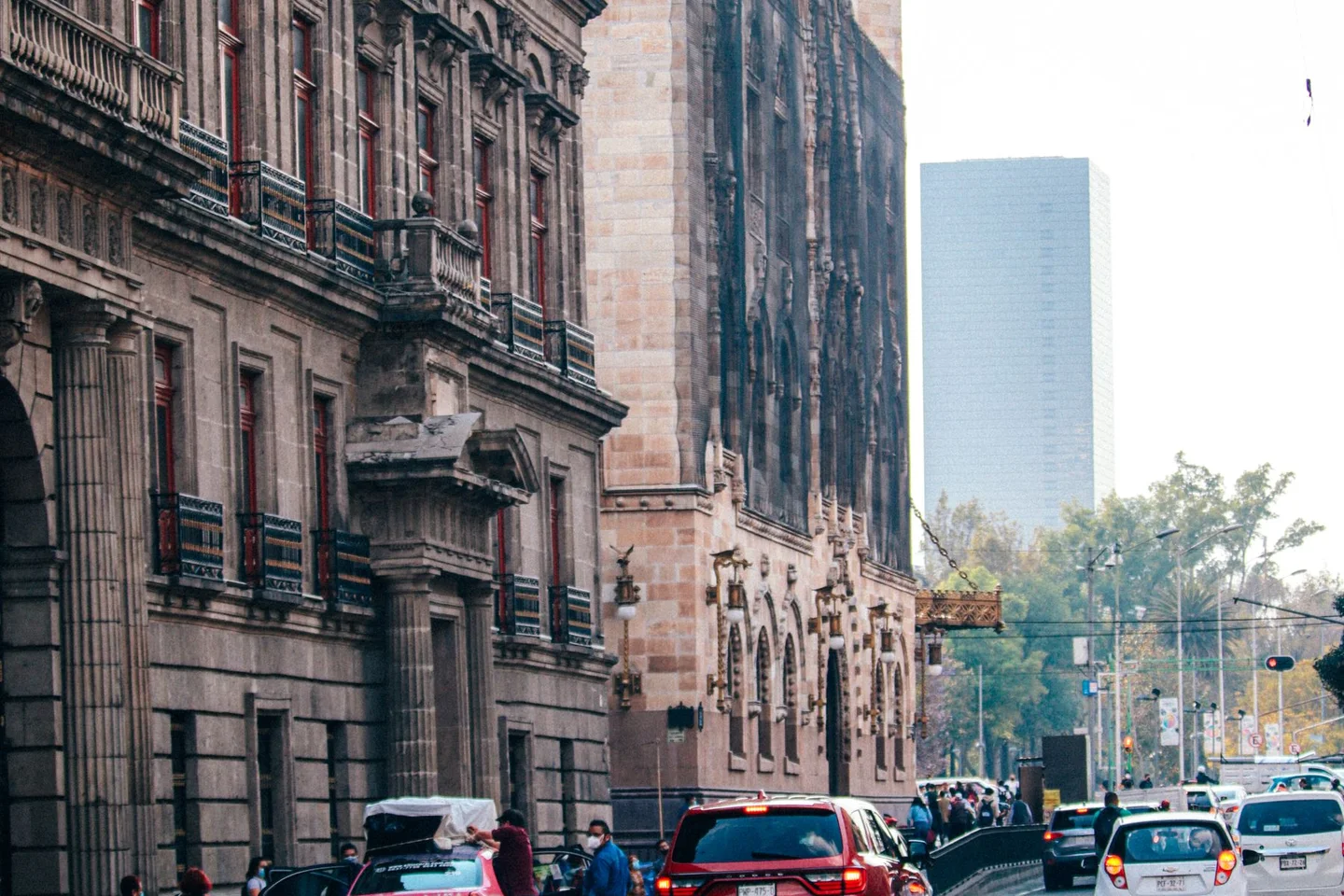
A historic street is more than a row of buildings awaiting photographs. Shops open, deliveries arrive, people go to work and neighbours use the same pavement as visitors. Paying attention to those ordinary movements gives the town a present tense as well as a past.
Begin with a public route that links a few visible features: a square, a street, a market area or a museum. Notice how people move between them. Which spaces invite a pause and which are clearly working passages? You do not need to enter private buildings to see how the town is organised.
Avoid treating every old-looking surface as evidence of the same period. A street can contain buildings and alterations from different moments. Read available interpretation and ask a knowledgeable guide when you want a historical explanation. Keep what you observe separate from the dates or stories you have not verified.
Ask about change, not timelessness
A useful question is what has changed in the area during the speaker's own experience. Another is how a building is used now. These invite a specific account without asking someone to perform a simplified version of local tradition for a visitor.
Listen without turning one person's answer into a statement about everyone in the town. A shopkeeper, a museum volunteer and a resident may understand the same street differently. Those perspectives can coexist. If you later describe the conversation, keep it tied to the person and context rather than presenting it as the town's single official story.
Photographs deserve the same care. Ask before making close images of people, and avoid blocking doorways or routine activity while waiting for a scene to look empty. A delivery vehicle or modern sign may be part of how the street works today, not an imperfection that prevents you from seeing its character.
Let the old and current views meet
If a museum or public display includes an older photograph, look for one feature you can compare on the present street. It might be a roofline, a corner or the position of a square. Do not expect everything to match. The differences can become the most interesting part of the exercise.
Finish the walk with time in an ordinary public place rather than another rush to a named monument. Sitting, eating or watching from a suitable spot lets you notice the town's pace. You can appreciate architecture and historical interpretation while also recognising that the place belongs to people whose lives continue after your excursion ends. That combination often leaves a fuller impression than a collection of dates attached to isolated buildings.