A celebration changes the town
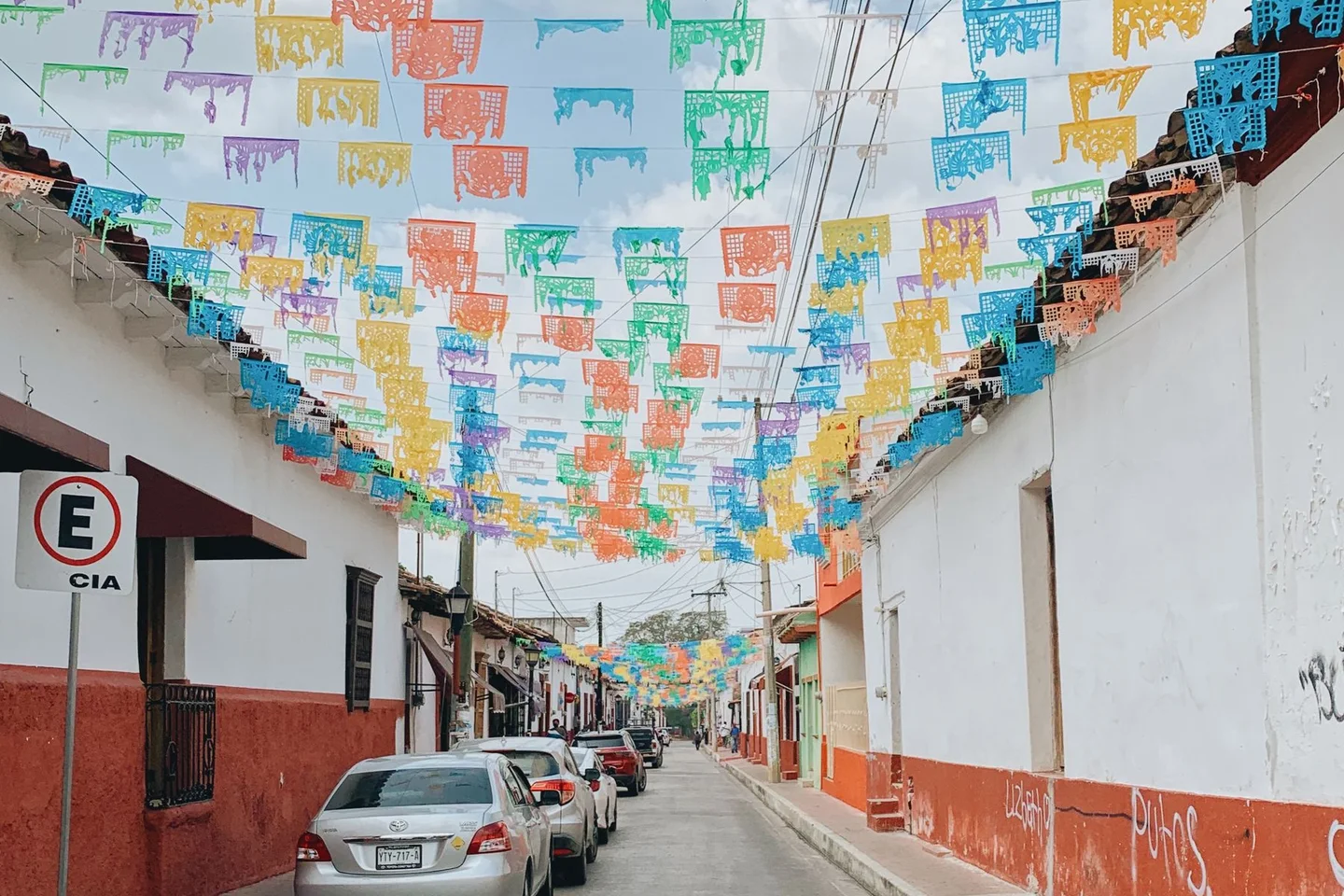
A festival can make a town visit memorable, but it also changes the ordinary arrangement of streets, businesses and public spaces. Do not treat it as a decorative addition to a normal itinerary. Begin with the organizer's current program, identify what is open to visitors and check whether particular activities need a ticket or registration.
Names and dates matter. A celebration may extend across several days with different activities, while a photograph shared online may show only one procession or performance. Choose the event you actually want to attend rather than assuming the same scene repeats throughout the festival. Keep the program available, but allow for changes announced locally.
Understand your place in the event
Some activities are designed for a broad public audience. Others belong primarily to a religious, family or community setting even when they occur in visible space. Watch how people participate and follow the guidance of organizers. Being able to see a ceremony does not mean visitors should enter its center or approach every participant for photographs.
Ask before making close portraits, especially when clothing or ceremonial objects are the focus. Do not treat people as costumes available for a picture. If photography is restricted, enjoy the event without recording it. A respectful memory does not require proof that you stood beside every distinctive element.
When music or a procession moves through a street, keep the route clear. Choose a viewing place where you can remain without repeatedly crossing the activity. If traveling with others, agree on a recognizable meeting point away from the busiest bottleneck. A precise location is more useful than promising to meet near the main stage.
Make the ordinary parts of the day realistic
Allow extra time for eating, finding facilities and leaving the area. A favorite café may be closed, fully occupied or using a different service arrangement during the event. Keep more than one suitable option in mind and avoid tying the day to a single business unless you have confirmed the arrangement.
Buy only what you can carry comfortably through a crowd. Large purchases can limit movement and become difficult to protect. If you want a craft item, ask whether collecting it later is possible and make a clear agreement rather than leaving goods informally at a stall.
Check the route back before the busiest part of the event. Temporary street closures can change the convenient pickup point. Use current organizer or local information rather than relying only on the route that worked when you arrived.
Leave room for the event itself
Choose one or two activities and give them attention. Trying to see every part of a festival can turn the day into constant movement between crowds. A longer stay at one performance may reveal more than several brief appearances.
When leaving, take your waste and respect any closing instructions. The town will continue after the visitors go home. Seeing the celebration as part of that ongoing life makes the visit more meaningful than treating it as a spectacle arranged solely for travelers.